


Emotional Intelligence Training: Building Awareness and Human-Centered Leadership
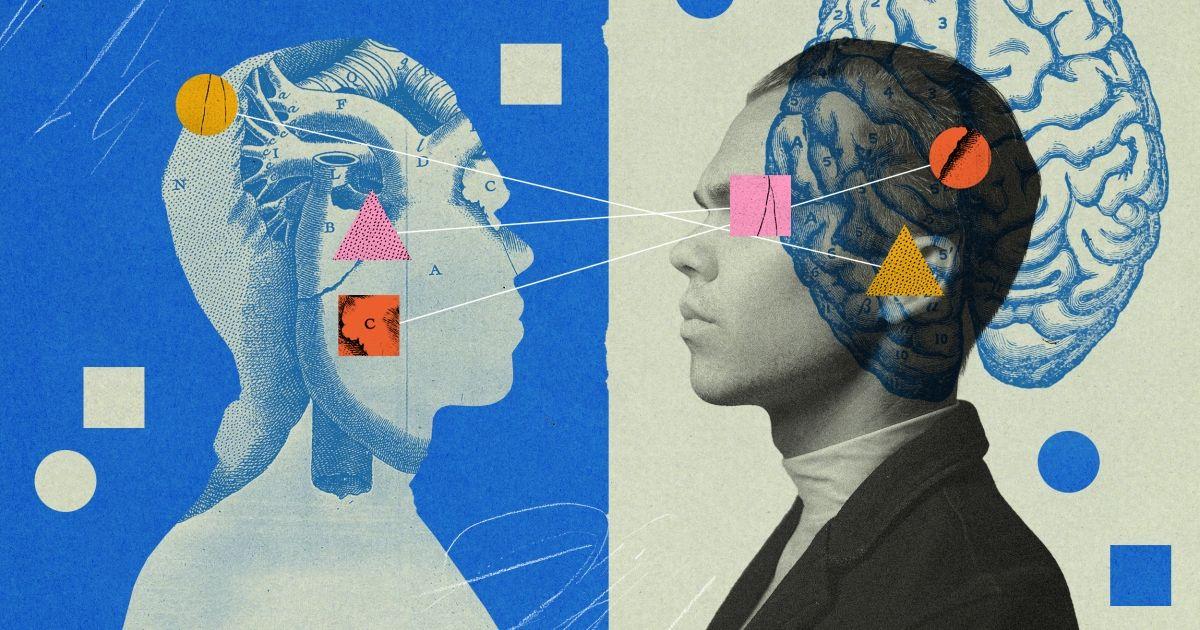
In today’s complex and fast-moving world, technical skills alone are no longer enough to succeed. The ability to understand emotions, manage reactions, and build meaningful relationships has become just as important as professional expertise. Emotional intelligence training plays a vital role in helping individuals develop these essential human skills, enabling them to navigate personal and professional challenges with clarity, empathy, and confidence.
Rather than being an innate trait that only some people possess, emotional intelligence is a learnable and developable capability. With structured guidance and consistent practice, individuals can significantly improve how they perceive emotions, communicate with others, and respond to pressure.
What Is Emotional Intelligence?
Emotional intelligence refers to the ability to recognize, understand, and manage one’s own emotions while also being sensitive to the emotions of others. It involves self-awareness, self-regulation, motivation, empathy, and social skills—components that influence how people behave, make decisions, and interact in daily life.
Through emotional intelligence training, individuals learn to recognize emotional patterns, understand triggers, and respond thoughtfully rather than impulsively. This awareness creates a foundation for stronger relationships and healthier communication.
Why Emotional Intelligence Matters More Than Ever
Modern environments—whether workplaces, families, or social communities—are increasingly diverse and demanding. Stress, uncertainty, and rapid change often amplify emotional reactions, making emotional competence a critical life skill.
People with strong emotional intelligence tend to handle conflict more effectively, adapt to change with greater ease, and maintain emotional balance during difficult situations. These abilities contribute to better collaboration, trust, and long-term success across all areas of life.
The Role of Emotional Intelligence in Personal Development
On a personal level, emotional intelligence supports deeper self-understanding and emotional resilience. Individuals become more aware of how their thoughts and emotions influence behavior, allowing them to break unhelpful habits and patterns.
Emotional intelligence training encourages reflection, emotional clarity, and self-compassion. Over time, this leads to improved confidence, reduced anxiety, and a greater sense of control over one’s emotional responses.
Emotional Intelligence in Leadership and Management
Leadership today requires more than authority or expertise—it requires emotional awareness and empathy. Leaders who understand emotions are better equipped to inspire teams, handle conflict, and create psychologically safe environments.
Organizations increasingly invest in emotional intelligence training to develop leaders who listen actively, communicate clearly, and make balanced decisions. Emotionally intelligent leaders foster trust, increase employee engagement, and reduce workplace stress, resulting in healthier organizational cultures.
Improving Communication and Relationships
Effective communication is deeply rooted in emotional awareness. Misunderstandings often arise not from what is said, but from how it is said and how emotions are managed during interactions.
By developing emotional intelligence, individuals learn to listen without judgment, express themselves clearly, and respond with empathy. These skills enhance both professional relationships and personal connections, leading to more meaningful and respectful interactions.
Managing Stress and Emotional Triggers
Stress is an unavoidable part of modern life, but emotional intelligence determines how individuals cope with it. Recognizing emotional triggers allows people to pause, reflect, and choose constructive responses rather than reacting automatically.
Emotional intelligence training provides practical tools for managing pressure, regulating emotions, and maintaining mental balance. These skills help prevent burnout and support long-term emotional wellbeing.
Emotional Intelligence in the Workplace
Workplace challenges such as tight deadlines, feedback, and team dynamics often test emotional resilience. Employees with higher emotional intelligence tend to collaborate more effectively, handle feedback positively, and remain composed under pressure.
Organizations that prioritize emotional intelligence training often see improvements in productivity, employee satisfaction, and conflict resolution. Emotional awareness strengthens teamwork and promotes a culture of respect and accountability.
Developing Empathy and Social Awareness
Empathy is a core element of emotional intelligence. It involves understanding others’ perspectives, emotions, and experiences without judgment. This skill is essential in leadership, customer service, education, and healthcare.
Through emotional intelligence training, individuals enhance their ability to connect with others on a human level. This deeper understanding improves cooperation, trust, and mutual respect in both professional and personal settings.
Long-Term Benefits of Emotional Intelligence Development
The benefits of emotional intelligence extend far beyond immediate outcomes. Over time, individuals experience stronger relationships, better decision-making, and increased emotional stability.
As emotional intelligence becomes a habitual way of responding to life, individuals often feel more fulfilled and aligned with their values. This long-term growth supports both personal happiness and professional success.
Choosing the Right Emotional Intelligence Training Program
Effective programs focus on practical application, reflection, and real-life scenarios rather than theory alone. The most impactful training encourages continuous practice, feedback, and self-assessment.
High-quality emotional intelligence training is adaptable to individual needs, whether for personal growth, leadership development, or team performance. Programs that integrate emotional skills into everyday life tend to deliver the most sustainable results.
Conclusion
Emotional intelligence is no longer optional—it is a fundamental skill for navigating modern life with clarity and compassion. By developing emotional awareness, regulation, and empathy, individuals become better equipped to face challenges and build meaningful connections.
Through consistent emotional intelligence training, people unlock the ability to respond thoughtfully, lead authentically, and communicate effectively. In a world that values both competence and humanity, emotional intelligence stands as a powerful foundation for lasting success.

 Arabic
 French
 Spanish
 Portuguese
 Deutsch
 Turkish
 Dutch
Dutch
 Italiano
 Russian
 Romaian
 Portuguese (Brazil)
 Greek
Greek