


Controlling Fat Accumulation in High-Load Kitchen Systems
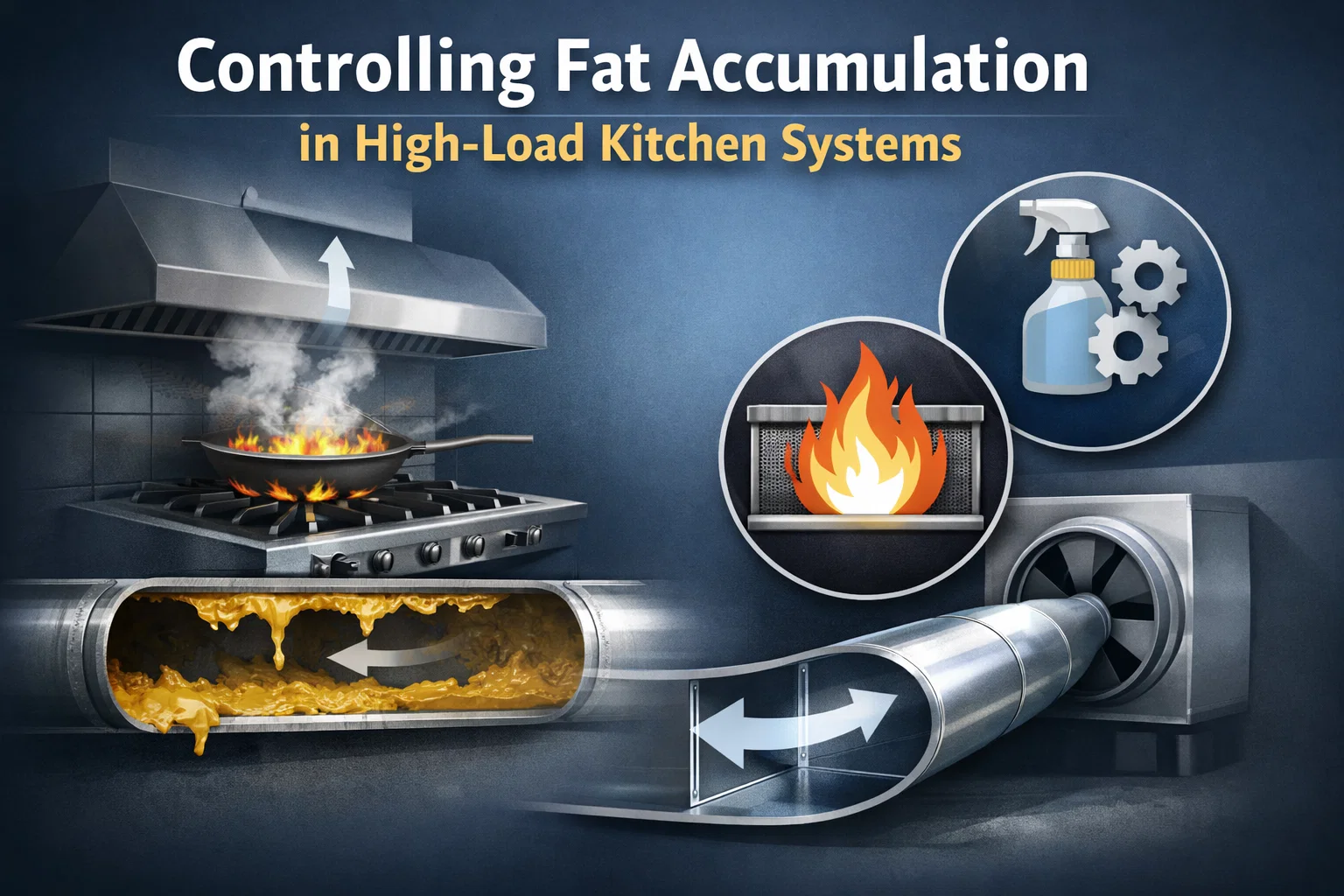
What if the most dangerous threat to your commercial kitchen wasn't a health inspector’s surprise visit or a broken walk-in cooler, but a silent, sticky buildup hidden behind your walls? Can you imagine the frustration of a sudden drain backup during your busiest Saturday night shift, forcing you to turn away hungry customers while sewage overflows onto your pristine floors? In high-load environments, the constant flow of fats, oils, and grease (FOG) creates a ticking time bomb that impacts everything from air quality to fire safety.
What can be done to prevent these expensive and unsanitary disasters from crippling your business? In this detailed article, we will explore the science of fat accumulation and provide a clear roadmap for managing high-volume waste. You will find practical solutions to keep your pipes flowing, your air clean, and your operations compliant with local regulations through consistent grease cleaning services and proactive maintenance strategies.
The Reality of Fat Accumulation in Busy Kitchens
High-load kitchen systems operate under intense pressure, often processing hundreds of meals daily. This volume leads to a massive discharge of animal fats and vegetable oils into the drainage and ventilation systems. When these hot liquids hit cooler pipes, they solidify and stick to the inner walls, creating a fatberg that narrows the passage for wastewater.
Without regular grease cleaning services, this buildup becomes a breeding ground for bacteria and foul odors. These smells aren't just unpleasant; they can signal a health hazard that attracts pests and contaminates food preparation surfaces. The accumulation is often out of sight, meaning by the time you notice a slow drain, the blockage is likely severe and deep within your plumbing.
Fire Risks and Ventilation Efficiency
Grease doesn't just stay in the drains; it travels upward into your exhaust hoods and ductwork. High-powered cooking equipment releases airborne grease particles that settle on every available surface, especially inside the ventilation system. This creates a highly flammable coating that can ignite with a single spark from a stovetop flare-up.
Professional grease cleaning services focus on deep-cleaning these hidden areas to ensure your fans and filters work at peak efficiency. When ducts are clogged with fat, your ventilation system has to work harder, leading to higher energy bills and poor air quality for your staff. Keeping these systems clear is the only way to significantly reduce the risk of a catastrophic kitchen fire.
Best Practices for High-Load Grease Management
Managing a high-load system requires more than just reactive fixes; it needs a strategic approach to waste. Here are some essential habits for your kitchen crew:
-
Dry Cleanup Methods:
Instruct staff to scrape all food waste and visible grease into trash bins before rinsing plates in the sink. -
Temperature Control:
Keep pre-rinse water temperatures below 140°F to prevent grease from melting and traveling further down the sewer line before it solidifies. -
Strainers and Baskets:
Use high-quality sink strainers to catch solid particles that contribute to the sludge layer in your grease trap. -
Regular Inspections:
Visually check your grease interceptors weekly to monitor the 25% rule once it’s a quarter full of solids and grease, it’s time for a pump-out.
Relying on daily habits is important, but high-volume establishments eventually reach a limit that only professional grease cleaning services can handle. Specialized vacuum trucks and industrial-grade degreasers are necessary to fully clear the system and ensure you are not just pushing the problem further down the municipal pipes.
Why Professional Maintenance is Non-Negotiable
Local health departments and water authorities have strict mandates regarding FOG disposal. Failure to maintain accurate cleaning logs or allowing grease to overflow into the public sewer can result in massive fines or even the temporary closure of your restaurant. Professionals provide the documentation you need to prove compliance during inspections.
Furthermore, grease cleaning services offer a level of sanitation that manual scrubbing simply cannot match. They use specialized tools to clean the baffles, side walls, and lids of grease traps, ensuring that no residue is left behind to rot. This thoroughness extends the life of your plumbing and prevents the "rotten egg" smell that can ruin a customer's dining experience.
Long-Term Benefits of Clear Systems
Investing in routine maintenance might seem like an added cost, but it is a fraction of the price of an emergency plumbing call-out or a fire restoration project. A clean kitchen runs faster, smells better, and keeps employees safer from slips and respiratory issues caused by poor air filtration.
By scheduling regular grease cleaning services, you shift your business from a crisis mode of fixing leaks to a growth mode where equipment lasts longer and operations remain smooth. Your kitchen's plumbing and ventilation are the veins and lungs of your business; keeping them free of fat accumulation ensures your establishment stays healthy and profitable for years to come.

 Arabic
 French
 Spanish
 Portuguese
 Deutsch
 Turkish
 Dutch
Dutch
 Italiano
 Russian
 Romaian
 Portuguese (Brazil)
 Greek
Greek