


Phone Diagnostic Software for E-Waste Reduction
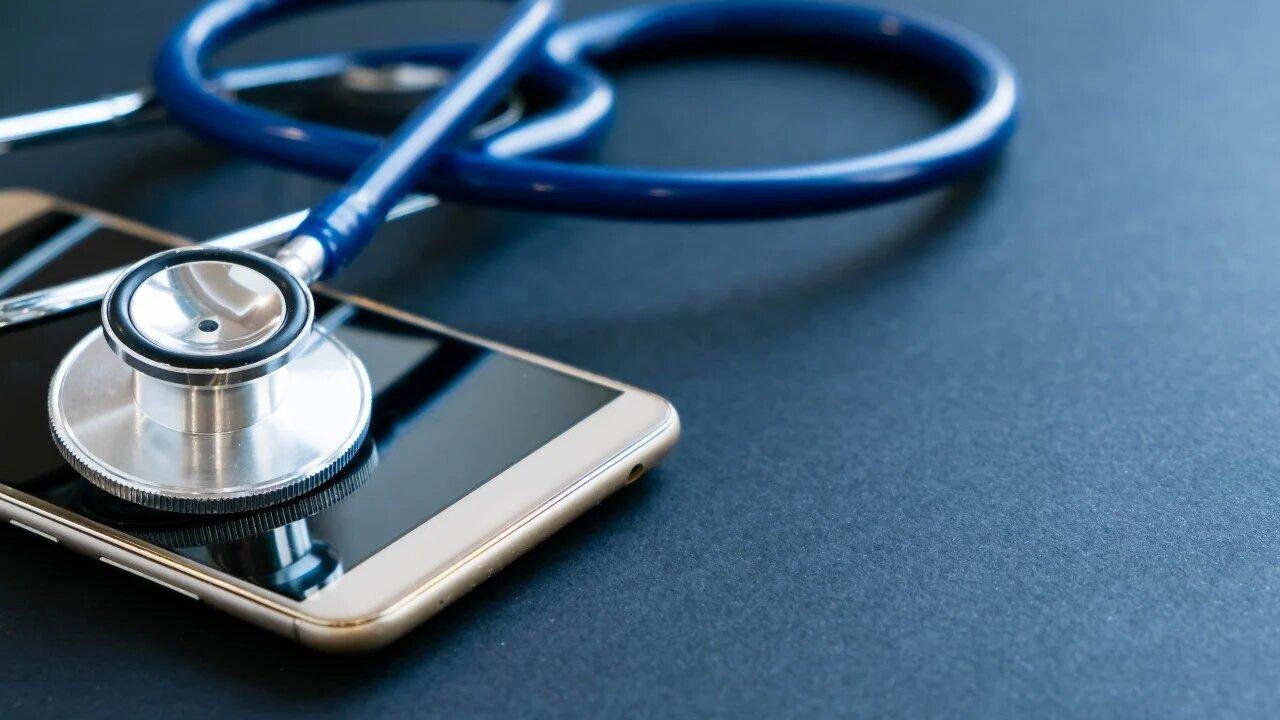
Electronic waste is one of the fastest-growing environmental challenges in the world. Millions of smartphones are discarded every year, even though many of them could be repaired, refurbished, or reused. A large portion of this waste is generated not because devices are completely unusable, but because faults are misdiagnosed, overlooked, or considered too time-consuming to evaluate. This is where phone diagnostic software plays a powerful role in reducing e-waste by enabling accurate testing, efficient repairs, and responsible device lifecycle management.
By identifying reusable components, verifying device health, and supporting refurbishment workflows, diagnostics technology helps extend the lifespan of smartphones and reduces the number of devices that end up in landfills.
Understanding the E-Waste Problem in Mobile Devices
Smartphones contain valuable materials such as gold, copper, lithium, cobalt, and rare earth elements. When these devices are discarded, these materials are lost, and harmful chemicals can leak into the environment. Improper disposal contributes to soil contamination, water pollution, and increased carbon emissions due to the need for new device production.
Many phones are thrown away due to minor issues such as:
• Weak batteries
• Cracked screens
• Faulty charging ports
• Software glitches
Without proper testing, these devices are often classified as non-functional and scrapped. phone diagnostic software helps determine whether a device is truly beyond repair or can be restored for continued use.
Extending Device Lifespan Through Accurate Testing
One of the most effective ways to reduce e-waste is to extend the usable life of existing devices. Diagnostics tools allow technicians to quickly identify specific faulty components instead of replacing entire devices.
For example, a phone that appears dead may only have a degraded battery. With phone diagnostic software, technicians can confirm battery health and replace a single component rather than discarding the whole device. This targeted repair approach significantly reduces waste and lowers costs.
Supporting the Refurbishment Industry
The refurbishment industry plays a major role in the circular economy by restoring used devices for resale. However, successful refurbishment depends on accurate and standardized testing.
phone diagnostic software enables refurbishers to:
• Perform full hardware and software evaluations
• Grade devices based on performance and condition
• Generate certification reports for resale
• Ensure consistent quality across large volumes
This structured testing process increases consumer confidence in refurbished phones, which encourages reuse and reduces demand for new device manufacturing.
Platforms like Phone Clinix streamline refurbishment workflows by combining diagnostics, grading, and reporting in a single system, making large-scale reuse more efficient.
Reducing False Scrap Decisions
Without proper diagnostic tools, technicians may misclassify repairable devices as irreparable. This leads to unnecessary scrapping of phones that could have been restored.
Automated phone diagnostic software reduces false scrap decisions by providing objective test results for:
• Screens and touch panels
• Cameras and sensors
• Connectivity modules
• Audio components
• Storage and memory
Accurate fault identification ensures that only truly non-repairable devices are recycled, while the rest are repaired and reused.
Promoting Component-Level Repairs
Traditional repair approaches sometimes involve replacing entire modules instead of fixing individual components. Diagnostics tools help technicians pinpoint the exact part that needs attention.
For example:
• Replacing only a faulty microphone instead of the whole audio board
• Repairing a charging port instead of discarding the motherboard
• Calibrating sensors rather than replacing them
This component-level repair strategy reduces material consumption and minimizes electronic waste.
Enabling Responsible Recycling Processes
For devices that are genuinely beyond repair, phone diagnostic software still plays an important role. It helps identify which components are reusable and which should be recycled.
Reusable parts such as cameras, screens, and speakers can be harvested and used in other repairs, reducing the need for new component manufacturing. This selective recovery process supports sustainable recycling practices.
Data-Driven Lifecycle Management
Organizations that manage large fleets of devices often replace phones on fixed schedules without evaluating their actual condition. This results in premature disposal of functional devices.
With phone diagnostic software, businesses can monitor device health and make data-driven decisions about repair, reassignment, or recycling. Extending replacement cycles by even a few months can significantly reduce e-waste at scale.
Encouraging the Secondary Device Market
The availability of certified refurbished devices encourages consumers to choose pre-owned phones instead of buying new ones. Diagnostics reports provide proof of functionality, which builds trust in the secondary market.
As more consumers adopt refurbished devices, the demand for new phone production decreases, reducing resource extraction and carbon emissions.
Environmental Benefits of Diagnostic-Based Repairs
Using phone diagnostic software for repair and refurbishment contributes to environmental sustainability in several ways:
• Reduces landfill waste
• Conserves raw materials
• Lowers energy consumption from manufacturing
• Decreases carbon footprint
• Promotes circular economy practices
Every repaired or refurbished device represents one less phone that needs to be manufactured from scratch.
Cost Savings Alongside Sustainability
E-waste reduction is not only environmentally beneficial but also economically advantageous. Repairing and refurbishing devices is often more cost-effective than replacing them.
Businesses that use phone diagnostic software can:
• Reduce procurement costs by extending device life
• Generate revenue from refurbished device sales
• Lower disposal and recycling expenses
• Optimize spare parts inventory
Sustainability and profitability go hand in hand when diagnostics is integrated into device management.
Supporting Corporate Sustainability Goals
Many organizations have environmental, social, and governance (ESG) targets that include reducing electronic waste. Diagnostics tools help companies track device usage, repair rates, and recycling outcomes, providing measurable data for sustainability reporting.
By implementing phone diagnostic software, enterprises can demonstrate responsible resource management and meet their environmental commitments.
Improving Consumer Awareness
Consumers often replace phones unnecessarily because they assume repairs are not possible or too expensive. Providing diagnostic reports helps users understand the actual condition of their devices and the feasibility of repair.
When customers see that only a minor component needs replacement, they are more likely to choose repair over disposal. This behavioral shift contributes to long-term e-waste reduction.
Challenges in Implementing Sustainable Diagnostics
While diagnostics technology offers many benefits, there are challenges to consider:
Device compatibility with newer models
Access to affordable spare parts
Technician training requirements
Consumer perception of refurbished devices
Regular software updates and proper training can help overcome these challenges and ensure effective implementation.
Future of Diagnostics in E-Waste Management
The future of phone diagnostic software in sustainability will include:
• AI-based repair recommendations
• Automated grading for reuse markets
• Integration with recycling tracking systems
• Blockchain certification for refurbished devices
These innovations will improve transparency, efficiency, and trust in the reuse and recycling ecosystem.
Best Practices for Reducing E-Waste With Diagnostics
To maximize environmental impact, organizations and repair centers should:
• Test every device before scrapping
• Prioritize component-level repairs
• Harvest reusable parts from non-repairable phones
• Maintain standardized refurbishment workflows
• Educate customers about repair options
Using structured processes ensures that phone diagnostic software delivers both environmental and operational benefits.
Role of Integrated Platforms
Comprehensive solutions like Phone Clinix help organizations manage the entire device lifecycle—from intake and diagnostics to grading and resale. By centralizing these processes, businesses can handle larger volumes of devices efficiently while maintaining sustainability goals.
This integration reduces handling time, improves accuracy, and ensures that fewer devices are unnecessarily discarded.
Conclusion
E-waste is a growing global concern, but many smartphones can be saved through accurate testing, targeted repairs, and structured refurbishment processes. phone diagnostic software plays a vital role in identifying repairable devices, extending product lifespans, and supporting responsible recycling practices.
By adopting diagnostics-driven workflows and leveraging platforms like Phone Clinix, businesses and repair centers can reduce environmental impact while improving profitability and operational efficiency. As the demand for sustainable technology solutions continues to rise, diagnostics will remain a key tool in building a circular economy and minimizing electronic waste.

 English
 Arabic
 French
 Spanish
 Portuguese
 Deutsch
 Turkish
 Dutch
Dutch
 Italiano
 Romaian
 Portuguese (Brazil)
 Greek
Greek