


How Fabric Choice Impacts Exercise Performance
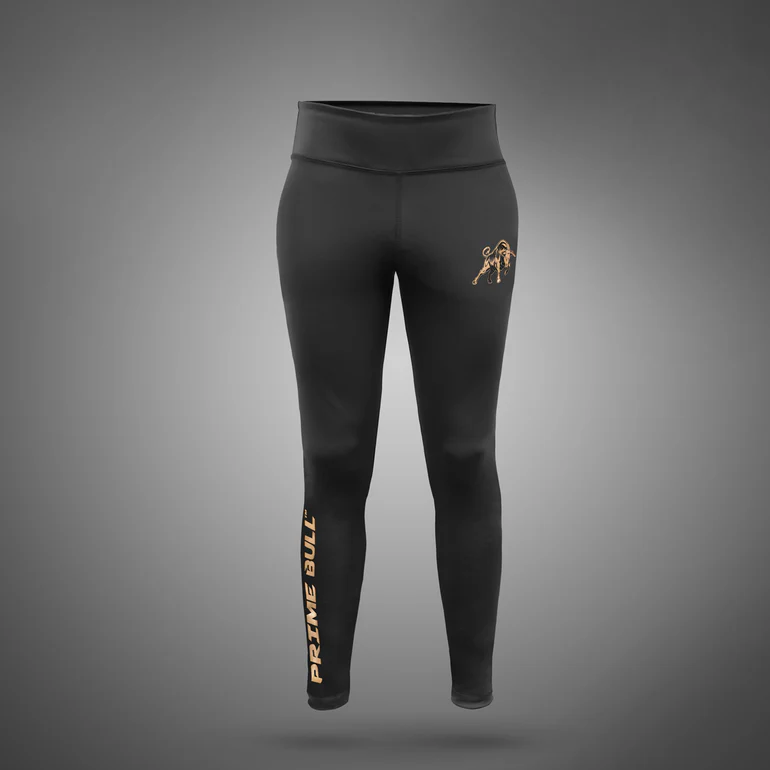
Fabric choice profoundly influences exercise performance, affecting comfort, thermoregulation, freedom of movement, moisture management, and even injury risk. Across disciplines — from strength training and running to grappling arts like Brazilian Jiu‑Jitsu (BJJ) — the textile properties of apparel play an objective role in how efficiently the body responds to physical stress.
Clothing designed for specific activities integrates engineered materials and construction techniques to optimize physiological responses. This article examines the science behind fabric selection, the functional demands of different fitness contexts, and how appropriate material choices — such as those found in womens workout shorts and womens bjj spats — support performance outcomes.
Defining Key Concepts
What Is Performance Apparel Fabric?
Performance apparel fabric refers to textiles engineered to support athletic activities by improving:
-
Thermal regulation – Maintenance of an optimal body temperature
-
Moisture management – Wicking sweat away from the skin
-
Mechanical support – Compression and structural integrity
-
Durability – Resistance to wear, abrasion, and repeated laundering
These properties derive from fiber types (e.g., polyester, nylon, elastane), yarn construction, and finishing treatments (e.g., antimicrobial coatings).
Why Fabric Matters
Human physiology responds to environmental stressors including heat, humidity, and friction. Fabric choice influences:
-
Evaporative cooling
-
Skin friction and chafing
-
Muscle support and proprioception
-
Range of motion and comfort
Scientific research in sports science and textile engineering has established correlations between targeted textile properties and improved athletic performance metrics such as endurance, perceived exertion, and thermoregulatory efficiency.
Core Fabric Properties and Their Impact on Performance
Thermoregulation and Breathability
Thermoregulation is the body’s ability to maintain a stable internal temperature during exertion. Performance textiles facilitate heat dissipation primarily through breathability and moisture transfer.
-
Breathability is the capacity of fabric to allow air and water vapor to move through it. Natural fibers like cotton are breathable but retain moisture, leading to cooling inefficiencies. Synthetic fabrics (e.g., polyester blends) often provide superior moisture vapor transmission.
-
Moisture wicking refers to capillary action that draws sweat away from the skin to the fabric’s outer surface for evaporation. Moisture management is widely recognized among exercise physiologists as a key factor in comfort and thermal control. Cotton’s water retention can lead to prolonged dampness and increased heat load, whereas engineered synthetics reduce thermal strain.
Reference: Moisture management is a recognized functional textile property in sportswear engineering. See the general overview of textile properties on Wikipedia.¹
Stretch, Fit, and Mechanical Performance
Effective exercise apparel must balance elasticity and support:
-
Elastane (Spandex/Lycra) adds stretch and recovery, allowing garments to conform to body movement without restricting motion.
-
Compression textiles apply graded pressure that can enhance proprioception and reduce muscle oscillation during dynamic activity. Compression is frequently utilized in endurance, strength, and grappling disciplines.
In disciplines involving high joint articulation — such as grappling — fabrics with higher elasticity and resistance to shear forces support both functional movement and longevity of wear.
Durability and Abrasion Resistance
Durability is critical for activities with high contact or friction:
-
For grappling arts like Brazilian Jiu‑Jitsu, abrasion resistance prevents premature garment breakdown under repeated mat friction.
-
High denier nylon and reinforced stitching increase lifespan and reduce performance‑loss due to fabric fatigue.
Practical Contexts: How Fabric Choice Affects Real‑World Performance
Womens Workout Shorts
Womens workout shorts are tailored for general fitness training, gym workouts, and aerobic activities. Optimal fabric properties include:
-
Quick‑drying polyester blends that wick sweat and evaporate moisture rapidly
-
Four‑way stretch for unrestricted range of motion during squats, lunges, and dynamic movements
-
Lightweight construction to minimize perceived load
In practical training settings, athletes report reduced chafing, enhanced comfort, and sustained training intensity when wearing breathable, flexible shorts compared to cotton alternatives.
Effective workout shorts often integrate functional design features — gusseted crotches, stretch waistbands, and mesh panels — to support anatomical movement patterns.
Womens BJJ Spats
Womens BJJ spats serve a specialized performance role in Brazilian Jiu‑Jitsu and other grappling sports. Core fabric requirements include:
-
High stretch resilience to accommodate joint locks, guard work, and rotational forces
-
Moisture management to maintain grip control and reduce slippage
-
Antimicrobial treatments to minimize odor and bacterial growth in close‑contact environments
BJJ spats commonly utilize nylon‑elastane blends engineered for superior tensile strength and recovery after repeated extension.
In application, practitioners benefit from spats that reduce friction burns, maintain muscle warmth, and support rapid positional transitions, thereby contributing to sustained technical performance on the mats.
Expert Insights and Best Practices
Textile Selection Criteria
Sports textile specialists prioritize the following criteria:
-
Moisture Vapor Transmission Rate (MVTR): Quantitative measure of breathability — higher MVTR correlates with better thermoregulation.
-
Stretch and Recovery Percentages: Elastane content typically between 10–20% balances stretch and structural stability.
-
Denier and Yarn Density: Higher denier yarns increase abrasion resistance; important for grappling sports.
Application in Professional Contexts
Performance apparel designers use a systems approach:
-
Activity Profiling: Identify movement patterns and thermal demands of a sport
-
Material Testing: Laboratory measurements of moisture transfer, tensile strength, and elasticity
-
Field Evaluation: Real‑world athlete trials to assess garment performance during dynamic activity
In elite training environments, apparel choices are often validated through athlete feedback and performance data, ensuring selections are aligned with specific physiological and mechanical demands.
Common Mistakes and Misconceptions
Natural Fibers Are Always Better
While natural fibers like cotton are breathable, they retain moisture and do not wick effectively under high sweat rates. This can lead to increased thermal load, skin irritation, and impaired performance during sustained exercise.
More Compression Is Always Better
Excessive compression can restrict blood flow and impede movement. Optimal compression balances muscle stabilization with comfort and circulation.
One Fabric Fits All Activities
Different activities impose distinct demands. A fabric optimal for endurance running may not suit high‑contact grappling. Activity‑specific textile selection ensures functional alignment with performance goals.
Conclusion
Fabric choice is a foundational component in exercise performance, underpinning comfort, thermoregulation, mobility, and physiological efficiency. Understanding the material science behind performance apparel enables informed decisions that align with activity demands. Tailored apparel — such as womens workout shorts for general training and womens bjj spats for grappling — reflects a synthesis of textile engineering and functional design. In both professional and everyday fitness settings, choosing the right fabrics supports sustained, safe, and effective performance outcomes.
FAQs
1. How does fabric choice influence thermoregulation during exercise?
Fabric choice affects the body’s ability to dissipate heat by promoting or inhibiting moisture evaporation and air circulation. Breathable, moisture‑wicking fabrics reduce thermal strain compared to moisture‑absorbing materials.
2. Why are synthetic blends often preferred for workout apparel?
Synthetic blends — typically polyester combined with elastane — offer enhanced moisture management, stretch, and durability relative to many natural fibers, making them suited for dynamic exercise conditions.
3. What makes womens workout shorts different from regular shorts?
Womens workout shorts use engineered fabrics and construction (e.g., ergonomic panels, moisture‑wicking materials) to support movement, comfort, and thermoregulation during athletic activities, unlike casual shorts that prioritize fashion over function.
4. How should fabric choice vary between running and grappling?
Running prioritizes breathability and moisture transfer, whereas grappling demands abrasion resistance, high stretch, and antimicrobial properties to withstand contact, friction, and close skin‑to‑mat interaction.
5. Can fabric impact injury risk?
Yes. Poor moisture management can lead to chafing and skin irritation, while inadequate stretch can restrict movement and contribute to mechanical strain during high‑range movements.
6. Why do specialists include elastane in performance fabrics?
Elastane provides stretch and recovery, allowing garments to conform to body motion and return to shape without restricting movement — essential in activities requiring high articulation.

 Arabic
 French
 Spanish
 Portuguese
 Deutsch
 Turkish
 Dutch
Dutch
 Italiano
 Russian
 Romaian
 Portuguese (Brazil)
 Greek
Greek