


How Homeowners Handle Common Residential Water Heater Problems Properly
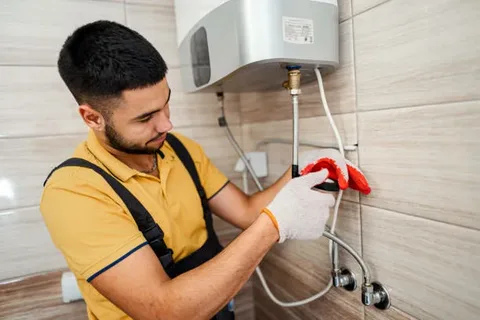
Water heater issues often create immediate disruption inside homes because hot water supports cooking, cleaning, bathing, and laundry routines every day. Problems such as inconsistent temperatures, unusual noises, leaking tanks, rusty water, or rising utility costs commonly signal developing system damage. Quick inspection and timely repair planning help reduce larger plumbing failures while protecting residential water systems from additional complications. Homeowners who understand early warning signs usually make better repair decisions before complete equipment failure occurs. Blue Pacific Cape Cod supports homeowners through professional plumbing inspections, hot water system evaluations, and repair planning for residential water heater concerns.
Key Takeaways
-
Water heater warning signs should never remain ignored for long periods.
-
Sediment buildup commonly reduces heating performance over time.
-
Leaking tanks may indicate serious internal system deterioration.
-
Regular inspections help reduce emergency plumbing situations.
-
Professional repairs improve household safety and system reliability.
Industry plumbing reports continue showing that traditional residential water heaters generally last between eight and twelve years depending on maintenance conditions, water quality, and household usage patterns. Systems exposed to mineral-heavy water often experience faster sediment accumulation inside storage tanks.
Homeowners commonly experience early warning signs weeks before major equipment failure occurs. Strange sounds, inconsistent water pressure, fluctuating temperatures, and discolored water frequently indicate developing plumbing concerns that require professional evaluation.
Why Water Heater Problems Should Receive Immediate Attention
Delaying repairs may increase plumbing damage, utility expenses, and safety risks inside residential properties. Small leaks around valves or storage tanks can eventually damage flooring, drywall, insulation, and nearby plumbing components.
Heating system malfunctions also place additional pressure on water heater components. Overworked systems may consume more energy while producing lower heating performance throughout the home.
Professional plumbing inspections often help identify thermostat failures, sediment buildup, damaged heating elements, pressure concerns, or corrosion before larger system failures occur.
Common Warning Signs Homeowners Should Watch Carefully
-
Water temperatures changing unexpectedly.
-
Rust-colored water flowing from faucets.
-
Loud popping or rumbling sounds from the tank.
-
Water collecting near the base of the heater.
-
Reduced hot water supply during daily use.
These conditions frequently indicate developing system damage requiring professional inspection and repair support.
Sediment Buildup Often Reduces Water Heater Performance
Mineral deposits naturally collect inside water heater tanks over time, especially in areas with hard water conditions. Sediment buildup creates insulation between heating components and water, forcing the system to work harder during operation.
This additional strain often increases monthly utility costs while shortening equipment lifespan. Plumbing industry studies continue showing that sediment accumulation remains one of the most common causes of reduced residential water heater performance.
Homeowners scheduling professional maintenance commonly improve heating consistency while reducing unnecessary energy strain on aging systems.
Regional Climate Conditions Affect Residential Plumbing Systems
Coastal Massachusetts properties frequently experience moisture exposure, seasonal temperature fluctuations, and mineral-rich water conditions that may influence plumbing system performance. These environmental factors can increase corrosion risks and place additional pressure on residential water heating systems.
Homeowners researching dependable water heater repair Falmouth, MA services often prioritize plumbing professionals familiar with local water conditions and seasonal plumbing challenges affecting residential systems.
Seasonal property usage may also affect water heater reliability in vacation homes and secondary residences throughout coastal communities.
Maintenance Steps That Help Reduce Plumbing System Damage
-
Schedule annual plumbing inspections for water heating systems.
-
Flush sediment from tanks when recommended by professionals.
-
Monitor pressure relief valves for visible leaks.
-
Insulate exposed plumbing lines during colder months.
-
Replace aging systems before severe deterioration develops.
Preventive maintenance planning often helps homeowners avoid sudden plumbing emergencies and unexpected equipment failure.
Repair Decisions Depend On System Age And Damage Severity
Not every plumbing issue requires a complete system replacement. Professional inspections help determine whether repairs remain practical based on tank condition, heating component damage, and overall equipment age.
Newer systems experiencing thermostat problems, valve leaks, or heating element failure may still support reliable long-term performance after repairs. Older systems showing severe corrosion or tank deterioration may require replacement planning instead.
Consumer plumbing reports indicate that homeowners often save money long term when replacing severely damaged units before catastrophic failure occurs.
Factors That Influence Water Heater Repair Costs
-
Tank size and system design.
-
Extent of heating component damage.
-
Plumbing accessibility inside the property.
-
Age of the equipment.
-
Emergency service scheduling requirements.
These factors commonly affect labor requirements, replacement parts, and overall repair complexity.
Professional Plumbing Support Improves Household Safety
Water heaters involve electrical systems, gas connections, pressure controls, and high-temperature water circulation. Incorrect repair attempts may increase safety hazards or create additional plumbing damage.
Licensed plumbing professionals understand installation standards, pressure management procedures, and safe repair practices designed for residential water heating systems. Professional evaluations also help homeowners understand long-term maintenance expectations and system performance conditions.
Household safety organizations continue emphasizing the importance of qualified plumbing inspections when handling gas-powered or aging residential water heaters.
Conclusion
Residential water heater problems should receive prompt attention because delayed repairs may increase utility expenses, plumbing damage, and household safety concerns. Organized maintenance planning, professional inspections, and timely repairs help homeowners improve heating reliability while protecting residential plumbing systems from avoidable deterioration. Understanding common warning signs also supports better long-term repair and replacement decisions for residential hot water systems.
Contact Experienced Plumbing Professionals For Residential Water Heater Concerns
Homeowners experiencing inconsistent hot water, leaking tanks, unusual system noises, or rising utility costs should consult experienced plumbing professionals for detailed system evaluations and repair planning. Professional plumbing support helps identify developing problems early while protecting residential plumbing systems from additional damage. Organized maintenance and repair services also support safer household operation through careful inspection, heating system evaluation, and reliable plumbing recommendations designed for long-term residential performance.
Frequently Asked Questions
Why does a water heater make rumbling or popping sounds?
Sediment buildup inside the storage tank commonly causes these sounds because trapped mineral deposits affect normal heating operation.
How long does a residential water heater usually last?
Most traditional residential water heaters remain functional for approximately eight to twelve years depending on maintenance history and water quality conditions.
Can a leaking water heater still operate safely?
Small leaks may quickly worsen over time. Professional inspection helps determine whether repairs remain safe or replacement becomes necessary.
Why does hot water sometimes appear rusty or discolored?
Rust-colored water often indicates internal corrosion inside the tank or deterioration affecting plumbing components connected to the system.
Should homeowners repair or replace older water heaters?
Repair decisions depend on system age, tank condition, repair costs, and the severity of existing plumbing damage.

 Arabic
 French
 Spanish
 Portuguese
 Deutsch
 Turkish
 Dutch
Dutch
 Italiano
 Russian
 Romaian
 Portuguese (Brazil)
 Greek
Greek