


When Should You See a Doctor for Lipoma Treatment?
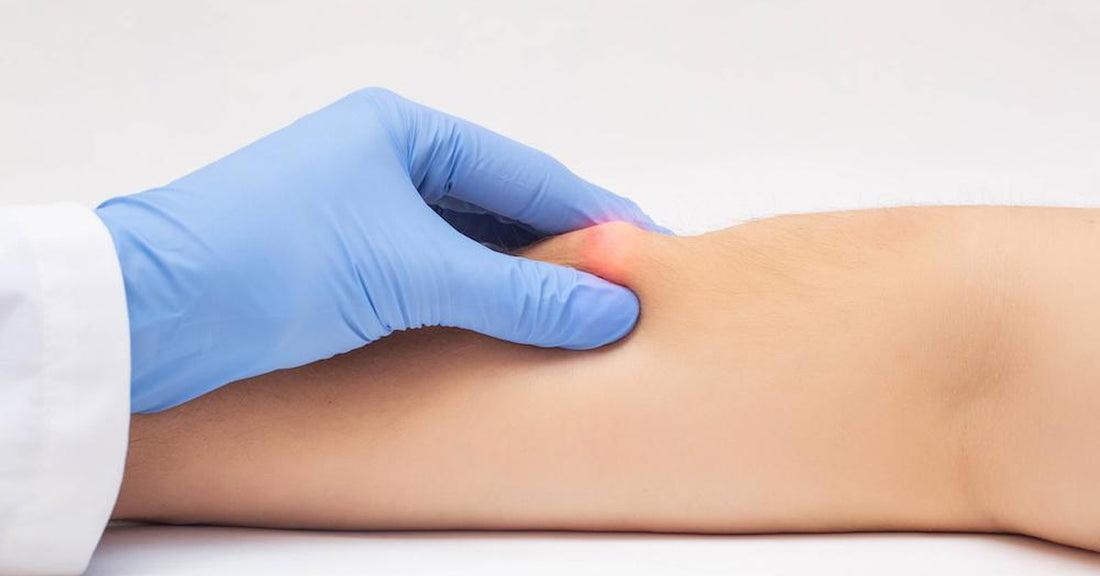
Lipomas are common benign fatty growths that develop under the skin and are usually harmless, but many people are unsure about when medical attention is necessary. While most cases do not require urgent care, there are situations where professional evaluation becomes important. In some cases, Lipoma removal Surgery may be recommended to ensure safe and complete treatment, especially when the lump causes discomfort, grows rapidly, or raises diagnostic concerns. Understanding the warning signs helps patients make timely decisions and avoid unnecessary complications.
Understanding What a Lipoma Is:
A lipoma is a slow-growing, non-cancerous lump made of fat cells that forms just beneath the skin. These growths are typically soft, movable, and painless, and they can appear anywhere on the body, most commonly on the neck, shoulders, back, arms, and thighs. Although lipomas are generally harmless, their size, location, and behavior can sometimes make medical evaluation necessary to rule out other conditions.
When a Lipoma Starts to Grow Rapidly:
One of the most important reasons to see a doctor is if a lipoma begins to grow quickly. Most lipomas grow very slowly over years, so any sudden or noticeable change in size should be checked. Rapid growth may indicate the need for further testing or treatment. Warning signs include:
- Sudden increase in lump size
- Noticeable change over weeks or months
- Uneven or irregular growth pattern
- Tightness in surrounding skin
- Increased visibility of the lump
Rapid changes should always be evaluated by a healthcare professional.
When the Lipoma Becomes Painful:
Lipomas are usually painless, so the presence of pain is a sign that medical attention may be required. Pain can occur if the lipoma presses on nerves or surrounding tissues. Situations where pain may develop include:
- Pressure on nearby nerves
- Growth in a sensitive area
- Inflammation around the lump
- Movement-related discomfort
- Tenderness when touched
Painful lipomas may require treatment to relieve symptoms and improve comfort.
When Movement or Daily Activities Are Affected:
If a lipoma interferes with movement or daily activities, it is important to seek medical advice. Large or strategically located lipomas can restrict mobility or cause functional issues. Common problems include:
- Difficulty moving a limb or joint
- Discomfort during exercise or walking
- Interference with clothing or seating
- Limited flexibility in affected areas
- Pressure during physical activity
In such cases, treatment options may be discussed, including surgical removal.
When the Lipoma Changes in Texture or Shape:
Any change in the texture, firmness, or shape of a lipoma should be evaluated by a doctor. While most lipomas remain soft and consistent, changes may indicate other conditions that require attention. Warning signs include:
- Hardening of the lump
- Irregular or uneven shape
- Fixation to deeper tissues
- Changes in skin over the lump
- Loss of mobility of the mass
These changes help doctors decide whether further tests are needed.
When Cosmetic Concerns Become Significant:
Even if a lipoma is medically harmless, cosmetic concerns can be a valid reason to seek treatment. Visible lumps, especially on exposed areas of the body, may affect confidence and self-image. Situations where cosmetic treatment may be considered include:
- Visible lumps on face, neck, or arms
- Emotional discomfort about appearance
- Self-consciousness in social settings
- Clothing fit issues due to lump size
- Desire for smoother skin appearance
In such cases, Lipoma removal Surgery may be recommended for aesthetic improvement.
When Multiple Lipomas Appear:
The appearance of multiple lipomas may indicate a condition that requires medical evaluation. Some individuals develop several lipomas over time due to genetic factors. Reasons to consult a doctor include:
- Presence of multiple lumps under the skin
- Family history of lipomas
- Gradual increase in number of growths
- Uneven distribution across the body
- Concerns about underlying conditions
Doctors may assess whether monitoring or treatment is necessary.
When Diagnosis Is Uncertain:
Not all lumps under the skin are lipomas, which is why medical evaluation is important when there is uncertainty. A doctor may recommend imaging or further testing to confirm the diagnosis. Situations requiring evaluation include:
- Lump with unclear characteristics
- Rapid or unusual changes
- Deep or fixed masses
- Pain without clear cause
- Suspicion of other conditions
Accurate diagnosis ensures proper treatment and peace of mind.
When the Lipoma Becomes Large:
Large lipomas are more likely to cause discomfort, cosmetic issues, or functional limitations. As the size increases, treatment becomes more likely. Indicators for medical consultation include:
- Noticeable bulk under the skin
- Pressure on surrounding tissues
- Visible deformity of the area
- Difficulty with movement
- Increased discomfort over time
Large lipomas are often best treated with surgical removal.
When There Is Risk of Complications:
Although lipomas are typically harmless, certain situations may increase the risk of complications. Medical evaluation is important when:
- Skin over the lump becomes irritated
- Signs of infection appear
- Rapid growth is observed
- Pain worsens over time
- Functional issues develop
Early evaluation helps prevent further problems.
Importance of Early Medical Consultation:
Seeing a doctor early ensures that lipomas are properly diagnosed and managed before they cause complications. Early consultation allows for better treatment planning and reduces unnecessary worry. Benefits include:
- Accurate diagnosis of the lump
- Early detection of changes
- More treatment options available
- Reduced risk of complications
- Better cosmetic outcomes
For patients considering Lipoma removal Surgery, early consultation improves safety and results.
Treatment Options After Evaluation:
Once evaluated, doctors may recommend different treatment approaches depending on the case. Options include:
- Observation for small, symptom-free lipomas
- Surgical excision for complete removal
- Liposuction in selected cases
- Monitoring for stable growths
- Further testing if diagnosis is unclear
The treatment plan is always tailored to individual needs.
Final Thoughts
Knowing when to see a doctor for lipoma treatment is essential for ensuring proper care and avoiding unnecessary complications. While most lipomas are harmless, changes in size, pain, appearance, or function should not be ignored. For those considering Lipoma removal Surgery, timely medical evaluation ensures accurate diagnosis, effective treatment planning, and the best possible long-term outcomes with minimal risk and maximum reassurance.

 English
 Arabic
 French
 Spanish
 Deutsch
 Turkish
 Dutch
Dutch
 Italiano
 Russian
 Romaian
 Portuguese (Brazil)
 Greek
Greek