


Polyelectrolyte Coated Nanoparticle SPION Applications
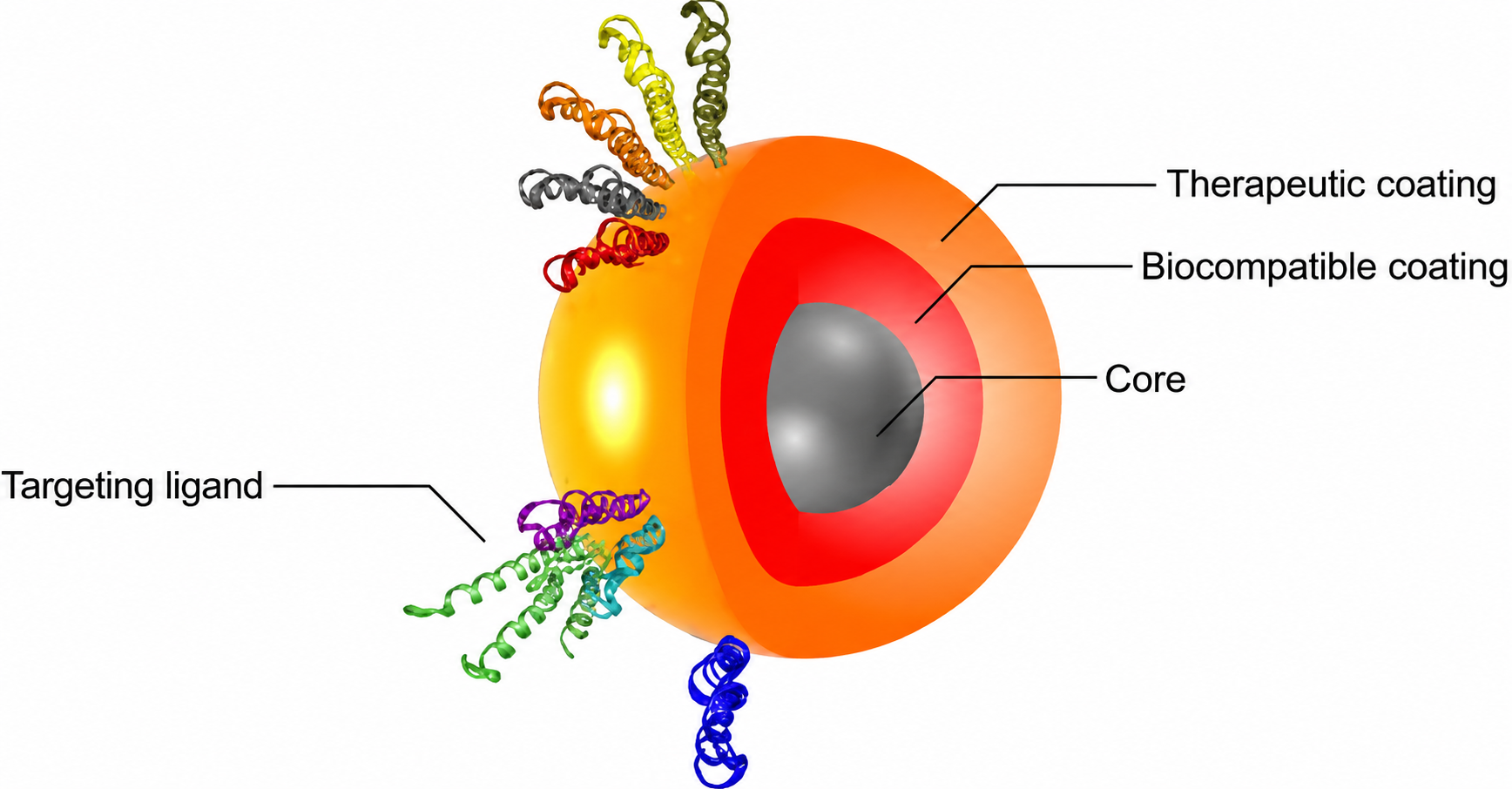
Polyelectrolyte coated nanoparticle SPIONs (Superparamagnetic Iron Oxide Nanoparticles) have become an important area of research in nanotechnology and biomedical science. These nanoparticles combine the magnetic properties of iron oxide with the functional advantages of polyelectrolyte coatings. The coating enhances stability, biocompatibility, and surface functionality, making SPIONs suitable for a wide range of applications. Researchers are increasingly exploring these nanoparticles for drug delivery, imaging, diagnostics, and environmental applications. Their unique combination of magnetic responsiveness and customizable surfaces allows scientists to develop advanced solutions for healthcare and industrial challenges. As nanotechnology continues to evolve, polyelectrolyte coated nanoparticle SPIONs are expected to play a significant role in the development of innovative materials and therapeutic systems.
Understanding SPION Nanoparticles
SPION stands for Superparamagnetic Iron Oxide Nanoparticles, which are tiny particles composed primarily of iron oxide materials such as magnetite or maghemite. These nanoparticles exhibit superparamagnetic behavior, meaning they become magnetized only when exposed to an external magnetic field and lose their magnetism when the field is removed. This characteristic prevents particle aggregation and improves safety in biomedical applications. SPIONs have attracted attention because of their ability to respond to magnetic fields while maintaining nanoscale dimensions. Their small size enables them to interact with biological systems efficiently. Researchers use SPIONs in imaging techniques, targeted therapies, biosensing, and separation technologies. Their magnetic properties make them highly versatile materials in modern scientific research and technological innovation.
What Is a Polyelectrolyte Coating?
A polyelectrolyte coating consists of charged polymer molecules that are attached to the surface of nanoparticles. These polymers may carry positive or negative charges, allowing them to interact with various biological and chemical environments. The coating improves nanoparticle stability by preventing aggregation and enhancing dispersion in liquids. Polyelectrolytes can also provide functional groups that enable further chemical modification or attachment of therapeutic agents. By coating SPIONs with polyelectrolytes, researchers can tailor the nanoparticle surface to meet specific application requirements. This customization increases biocompatibility, reduces toxicity, and improves circulation time in biological systems. Polyelectrolyte coatings therefore serve as a critical component in transforming basic SPIONs into advanced multifunctional nanomaterials.
Importance of Surface Modification
Surface modification is essential for improving the performance and reliability of SPION nanoparticles. Uncoated nanoparticles often face challenges such as aggregation, instability, and limited compatibility with biological environments. Applying a polyelectrolyte coating creates a protective layer around the nanoparticle surface, reducing these issues significantly. Surface modification also enables researchers to introduce targeting molecules, drugs, proteins, or imaging agents. This versatility expands the range of applications for SPIONs in medicine and industry. Furthermore, modified surfaces can influence how nanoparticles interact with cells, tissues, and biological fluids. By carefully selecting the coating material, scientists can optimize nanoparticle behavior for specific purposes, enhancing effectiveness and safety in practical applications.
Synthesis of Polyelectrolyte Coated SPIONs
The synthesis of polyelectrolyte coated nanoparticle SPIONs typically involves two major steps: nanoparticle production and surface coating. SPIONs are commonly synthesized through methods such as co-precipitation, thermal decomposition, or hydrothermal synthesis. Once the magnetic nanoparticles are formed, polyelectrolytes are deposited onto their surfaces using adsorption or layer-by-layer assembly techniques. The layer-by-layer method is particularly popular because it allows precise control over coating thickness and composition. Researchers can alternate positively and negatively charged polymers to create stable multilayer coatings. This process improves nanoparticle stability and provides multiple functional groups for future modifications. The synthesis method chosen can influence particle size, magnetic properties, and overall performance.
Physical and Chemical Properties
Polyelectrolyte coated SPIONs possess unique physical and chemical characteristics that make them highly valuable. Their nanoscale dimensions provide a large surface area, enabling efficient interactions with biological molecules and environmental contaminants. The magnetic core allows external control through magnetic fields, while the polyelectrolyte coating improves stability and functionality. These nanoparticles often exhibit excellent colloidal stability in aqueous solutions, reducing the risk of aggregation. Their surface charge can be adjusted by selecting different polyelectrolytes, influencing cellular uptake and interaction with surrounding materials. Additionally, the coating can enhance resistance to oxidation and degradation. These combined properties make polyelectrolyte coated SPIONs suitable for advanced applications requiring precision, stability, and multifunctionality.
Role in Drug Delivery Systems
One of the most promising applications of polyelectrolyte coated nanoparticle SPIONs is targeted drug delivery. Traditional drug delivery methods often result in side effects because medications affect both healthy and diseased tissues. SPION-based systems help overcome this challenge by directing drugs specifically to target locations using external magnetic fields. The polyelectrolyte coating can carry therapeutic molecules and control their release rate. This targeted approach improves treatment effectiveness while reducing adverse effects. Researchers are exploring these nanoparticles for cancer therapy, gene delivery, and treatment of chronic diseases. Their ability to combine magnetic targeting with controlled drug release offers significant advantages over conventional therapeutic methods and continues to drive innovation in nanomedicine.
Applications in Medical Imaging
Medical imaging is another area where polyelectrolyte coated SPIONs have demonstrated remarkable potential. These nanoparticles are widely investigated as contrast agents for magnetic resonance imaging (MRI). Their magnetic properties influence the relaxation behavior of nearby water molecules, enhancing image quality and diagnostic accuracy. The polyelectrolyte coating improves biocompatibility and circulation time, allowing better imaging performance. Researchers can also attach targeting molecules to the nanoparticle surface, enabling selective visualization of specific tissues or disease sites. This capability is particularly valuable for early disease detection and monitoring treatment progress. As imaging technologies continue to advance, polyelectrolyte coated SPIONs are expected to contribute significantly to more accurate and personalized diagnostic procedures.
Cancer Treatment Potential
Cancer remains one of the leading causes of death worldwide, creating a demand for innovative treatment approaches. Polyelectrolyte coated SPIONs offer exciting possibilities in cancer therapy through targeted drug delivery, imaging, and magnetic hyperthermia. In magnetic hyperthermia, nanoparticles generate heat when exposed to alternating magnetic fields, selectively damaging cancer cells while minimizing harm to healthy tissues. The polyelectrolyte coating can simultaneously carry anticancer drugs, creating a combined therapeutic effect. Researchers are investigating various formulations to improve treatment efficiency and reduce side effects. The multifunctional nature of these nanoparticles makes them powerful tools for integrated cancer diagnosis and therapy, supporting the growing field of theranostics.
Environmental Applications
Beyond healthcare, polyelectrolyte coated nanoparticle SPIONs have important environmental applications. Their magnetic properties enable easy separation from water and other media after treatment processes. Researchers use these nanoparticles to remove heavy metals, dyes, pesticides, and organic pollutants from contaminated water sources. The polyelectrolyte coating enhances adsorption capacity by providing additional binding sites for pollutants. Once contaminants are captured, the nanoparticles can be collected using magnetic fields, simplifying recovery and reuse. This efficient and environmentally friendly approach supports sustainable water treatment technologies. As concerns about pollution and resource management continue to grow, these nanoparticles offer promising solutions for environmental remediation challenges.
Challenges and Limitations
Despite their advantages, polyelectrolyte coated SPIONs face several challenges that must be addressed before widespread commercialization. Manufacturing consistency, scalability, and cost remain significant concerns. Researchers must ensure uniform particle size, coating quality, and reproducible performance. Long-term safety and toxicity studies are also essential, particularly for biomedical applications. Regulatory approval processes can be complex and time-consuming. Additionally, interactions between nanoparticles and biological systems may vary depending on particle characteristics and environmental conditions. Addressing these challenges requires multidisciplinary collaboration among scientists, engineers, healthcare professionals, and regulatory agencies. Continued research is necessary to maximize the benefits and minimize potential risks associated with these advanced nanomaterials.
Future Prospects
The future of polyelectrolyte coated nanoparticle SPION technology appears highly promising. Advances in nanotechnology, materials science, and biotechnology are driving the development of increasingly sophisticated nanoparticle systems. Researchers are exploring smart coatings that respond to environmental stimuli such as pH, temperature, and magnetic fields. These innovations could enable highly precise therapeutic and diagnostic functions. Integration with artificial intelligence and personalized medicine may further enhance their effectiveness. Environmental applications are also expected to expand as sustainable technologies become more important. With ongoing scientific progress and growing industrial interest, polyelectrolyte coated SPIONs are likely to become essential tools in healthcare, environmental management, and advanced technological applications.
Conclusion
Polyelectrolyte coated nanoparticle SPIONs represent a powerful combination of magnetic functionality and advanced surface engineering. Their unique properties make them valuable in drug delivery, medical imaging, cancer treatment, environmental remediation, and numerous other fields. The polyelectrolyte coating enhances stability, biocompatibility, and versatility, enabling researchers to tailor nanoparticles for specific applications. Although challenges related to safety, scalability, and regulation remain, ongoing research continues to improve their performance and practical viability. As nanotechnology advances, these innovative nanoparticles are expected to contribute significantly to scientific discovery and technological development. Their ability to address complex challenges across multiple industries highlights their importance as a transformative nanomaterial with substantial future potential.

 English
 Arabic
 French
 Spanish
 Portuguese
 Deutsch
 Turkish
 Dutch
Dutch
 Russian
 Romaian
 Portuguese (Brazil)
 Greek
Greek