


Vintage Home Decor 101: How to Mix Eras Without Creating a Cluttered Look
Decorating with vintage pieces is one of the most rewarding ways to create a home filled with personality, history, and timeless charm. Unlike trend-driven interiors, vintage-inspired spaces tell a story through carefully selected furniture, accessories, and decorative accents collected from different periods. However, combining items from multiple decades can quickly become overwhelming if not planned thoughtfully. The key is finding the right balance between old and new while maintaining a cohesive design throughout the home. Whether you are just beginning your decorating journey or expanding an existing collection, understanding how to mix styles successfully allows you to enjoy vintage home decor without creating a cluttered or outdated appearance. This guide explores practical strategies for blending different eras while achieving a polished and inviting interior.
Start with a Clear Design Vision
One of the biggest mistakes homeowners make when decorating with vintage pieces is purchasing items simply because they are old or unique. Before adding furniture or accessories, establish a clear vision for the overall style you want to achieve. Some people prefer a mid-century inspired space, while others enjoy farmhouse, industrial, or classic European influences. Having a consistent direction makes it easier to select pieces that complement one another rather than compete for attention.
Choosing a color palette early in the decorating process also helps create harmony throughout the home. Neutral shades such as white, cream, gray, beige, and soft earth tones provide an excellent backdrop for vintage furniture. These colors allow distinctive wood finishes, antique metals, and decorative accessories to stand out without making the room feel visually overwhelming. A unified palette naturally connects pieces from different decades.
Planning each room before shopping prevents unnecessary purchases that contribute to clutter. Instead of filling every available corner with decorative objects, focus on selecting meaningful pieces that add character and functionality. This thoughtful approach allows vintage home decor to feel intentional rather than accidental, creating interiors that remain elegant and comfortable for everyday living.
Balance Vintage Pieces with Modern Elements
One of the most effective ways to prevent a vintage-inspired home from feeling outdated is by incorporating contemporary elements alongside older furnishings. Modern lighting, simple rugs, neutral walls, and minimalist artwork provide clean visual contrast that allows antique furniture to become the focal point. This combination creates a balanced interior that celebrates history while remaining fresh and relevant.
Furniture is often the easiest place to begin blending styles. A beautifully restored antique cabinet can sit comfortably beside a modern sofa, while vintage wooden side tables pair naturally with contemporary upholstered seating. Mixing textures such as wood, glass, metal, and natural fabrics creates additional depth without making the room appear busy. The contrast between old and new enhances both styles simultaneously.
Maintaining consistency through scale and proportion is equally important. Large antique furniture should be balanced with lighter modern accessories rather than additional oversized pieces. This prevents the room from feeling heavy while allowing each item to contribute individually to the overall design. A balanced mix creates a welcoming atmosphere that feels curated instead of crowded.
Focus on Statement Furniture Instead of Too Many Accessories
When decorating with vintage pieces, quality is far more important than quantity. Rather than displaying numerous small collectibles throughout the room, invest in a few statement furniture pieces that naturally attract attention. A beautifully crafted sideboard, elegant display cabinet, or antique coffee table provides visual impact without overwhelming the surrounding space.
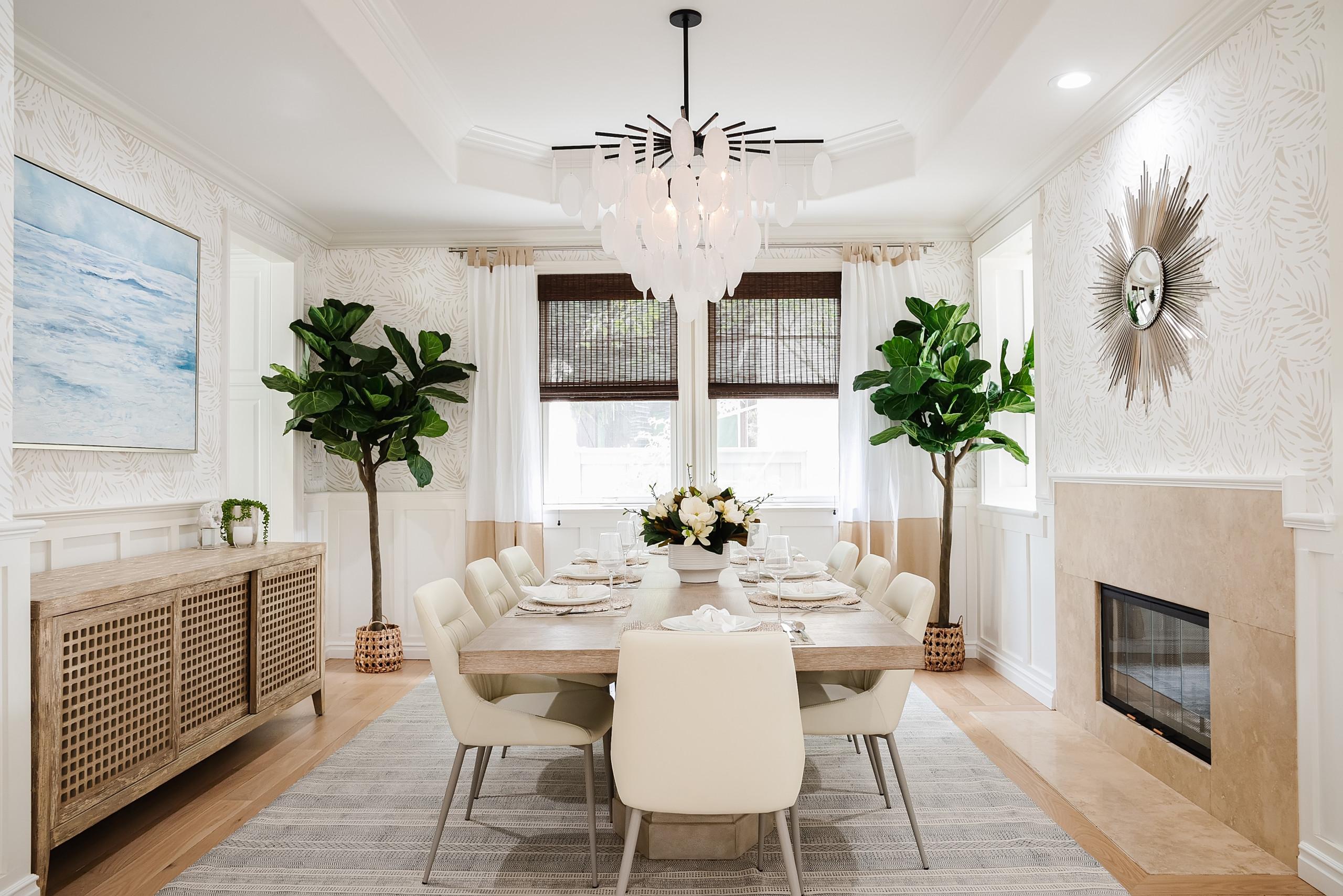
Dining rooms offer an excellent opportunity to showcase timeless craftsmanship through vintage dining table and chairs. These classic furniture pieces create an inviting focal point while serving an essential everyday function. Their rich wood tones, distinctive craftsmanship, and historical character add warmth that cannot easily be replicated by mass-produced modern furniture. Pairing them with contemporary lighting or simple décor maintains a balanced appearance.
Decorative accessories should support the furniture rather than dominate it. Carefully selected mirrors, ceramic vases, framed artwork, and indoor plants introduce personality while preserving visual simplicity. Leaving open surfaces and empty wall space allows statement furniture to receive the attention it deserves, creating a refined and organized interior.
Use Color and Texture to Tie Different Eras Together
Combining furniture from different decades becomes much easier when color and texture create visual continuity throughout the home. Even if individual pieces originate from completely different time periods, similar wood tones, complementary fabrics, and coordinated finishes establish a sense of unity. This approach allows diverse styles to coexist naturally without appearing disconnected.
Layering textures adds warmth and sophistication while preventing interiors from feeling flat. Soft linen curtains, woven rugs, leather seating, polished wood, and brushed metal accents create visual interest without requiring excessive decoration. The careful combination of materials makes vintage interiors feel comfortable and welcoming while maintaining an elegant aesthetic.
Accent colors should be introduced thoughtfully rather than excessively. Soft greens, muted blues, terracotta, mustard, or deep charcoal often complement vintage furnishings beautifully. Repeating these colors throughout artwork, cushions, decorative accessories, and textiles strengthens the connection between different furniture styles while preserving overall balance.
Create Breathing Space Throughout the Room
One of the defining characteristics of professionally designed interiors is the effective use of negative space. Not every shelf, tabletop, or wall needs to be filled with decorative objects. Leaving intentional empty areas allows the eye to rest while highlighting the beauty of carefully selected furniture and accessories. This principle is especially important when decorating with antiques and vintage collectibles.
Furniture placement also influences how spacious a room feels. Allowing sufficient distance between larger pieces improves movement while preventing the layout from appearing crowded. Instead of arranging every chair and cabinet against the walls, experiment with conversational groupings that encourage comfortable interaction and create natural focal points within the room.
Open shelving should be styled selectively rather than packed with decorative objects. Displaying only a few meaningful items alongside books, plants, or artwork creates a cleaner and more sophisticated appearance. This restrained approach helps vintage home decor feel elegant while preserving the individuality of each carefully chosen piece.
Blend Different Furniture Styles with Confidence
Many homeowners mistakenly believe that every piece of furniture must belong to the same historical period. In reality, some of the most attractive interiors combine influences from several decades while maintaining visual harmony. The secret lies in identifying common characteristics such as similar wood finishes, clean lines, or complementary proportions that connect otherwise different furniture styles.
A classic example is pairing vintage dining table and chairs with contemporary pendant lighting and minimalist cabinetry. This combination preserves the warmth and craftsmanship of vintage furniture while introducing the simplicity associated with modern interiors. The resulting contrast creates rooms that feel timeless rather than tied to a single decorating trend.
Repeating certain materials or design details throughout the home further strengthens consistency. Matching brass hardware, similar upholstery fabrics, or coordinated wood finishes create subtle connections between rooms without requiring identical furniture. This layered approach produces interiors that appear thoughtfully collected over time rather than purchased all at once.
Maintain and Preserve Your Vintage Collection
Proper care is essential for preserving the beauty and value of vintage furnishings. Regular dusting with soft microfiber cloths prevents dirt from damaging delicate finishes, while avoiding prolonged exposure to direct sunlight helps protect wood, fabric, and artwork from fading. Maintaining stable indoor humidity also reduces the risk of cracking or warping in older wooden furniture.
Cleaning products should always be selected carefully according to the furniture's material and finish. Gentle wood cleaners, appropriate waxes, and specialized upholstery products help preserve original craftsmanship without causing unnecessary wear. Routine maintenance ensures that vintage pieces continue to perform beautifully for many years while retaining their historical character.
When purchasing additional vintage furniture, prioritize craftsmanship over quantity. High-quality pieces with solid construction, authentic materials, and timeless design provide greater long-term value than inexpensive decorative items that contribute little to the overall interior. Building a thoughtful collection gradually creates a home filled with meaningful furnishings that age gracefully over time.
Conclusion
Creating a beautifully balanced vintage-inspired home is less about filling rooms with antiques and more about selecting meaningful pieces that complement one another. By establishing a clear design vision, balancing vintage furnishings with modern elements, choosing statement furniture, coordinating colors and textures, and allowing plenty of open space, homeowners can enjoy the timeless appeal of vintage home decor without creating a cluttered appearance. Incorporating carefully selected vintage dining table and chairs further enhances both functionality and character while serving as elegant focal points within the home. With thoughtful planning, patience, and attention to detail, mixing different design eras becomes an enjoyable creative process that results in interiors filled with warmth, authenticity, and lasting style.

 English
 Arabic
 French
 Spanish
 Deutsch
 Turkish
 Dutch
Dutch
 Italiano
 Russian
 Romaian
 Portuguese (Brazil)
 Greek
Greek