


Oil Free Air Compressors: Working, Benefits, Types & Applications
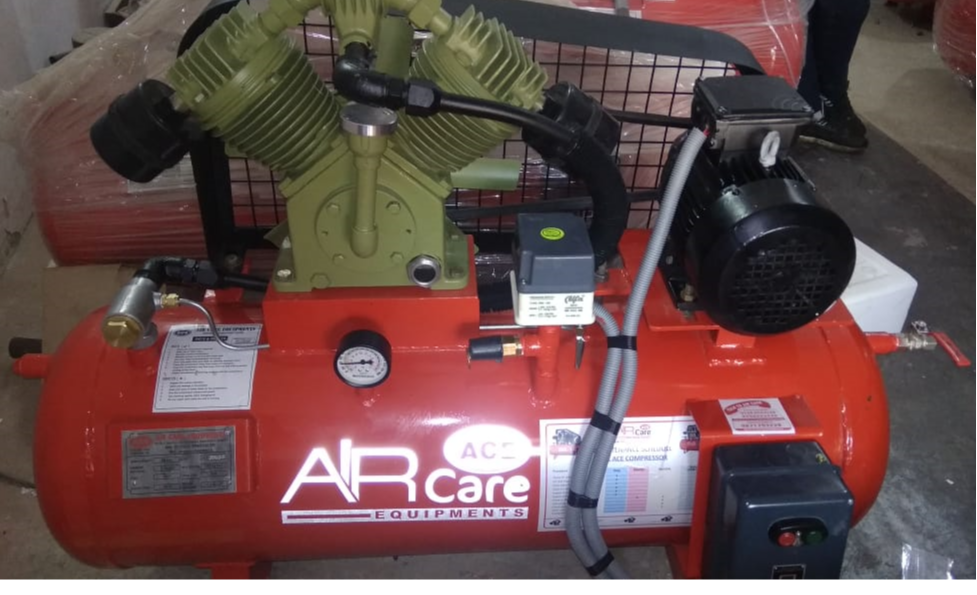
Oil Free Air Compressors are designed to deliver compressed air without introducing lubricating oil into the compression chamber. They are widely used in industries where clean and high-quality compressed air is essential, including pharmaceuticals, food and beverage, healthcare, electronics, textiles, automotive manufacturing, and industrial automation.
Unlike conventional oil-lubricated compressors, oil-free systems use specialized components and engineering methods to compress air without oil injection. This makes them a suitable choice for applications where oil contamination could affect product quality, manufacturing processes, or sensitive equipment.
Air Care Equipment provides compressed-air solutions for industrial applications, helping businesses select suitable compressor technologies based on air demand, pressure, operating conditions, and air-quality requirements.
What Are Oil Free Air Compressors?
Oil Free Air Compressors are compressed-air machines designed to operate without injecting oil into the compression chamber. During compression, atmospheric air is drawn into the compressor, compressed to the required pressure, cooled, and delivered to the compressed-air system.
In an oil-lubricated compressor, oil can be used for lubrication, cooling, and sealing. In an oil-free compressor, these functions are achieved through alternative designs, specialized materials, coatings, cooling arrangements, and other engineering technologies.
Oil-free compressors are especially valuable where compressed air is directly or indirectly involved in production. However, the complete compressed-air system should also be properly maintained and equipped with suitable filtration and drying equipment when required.
How Do Oil Free Air Compressors Work?
The working principle depends on the type of compressor, but the basic process follows several stages.
1. Air Intake
The compressor draws atmospheric air through an intake filter. The filter helps prevent dust and other particles from entering the compression system.
2. Compression
The incoming air enters the compression chamber, where its volume is reduced and pressure increases. Unlike oil-injected compressors, oil is not introduced into the compression chamber.
3. Cooling
Compression generates heat. Depending on the compressor design, cooling may be achieved through air-cooled or water-cooled systems.
4. Air Treatment
The compressed air may pass through filters, dryers, separators, or other treatment equipment depending on the required air-quality class and application.
5. Storage and Distribution
After treatment, compressed air can be stored in an air receiver tank and distributed through the plant's compressed-air piping network.
Types of Oil Free Air Compressors
Different compressor technologies are available to meet different industrial requirements.
Oil Free Reciprocating Compressors
Oil-free reciprocating compressors use pistons to compress air inside cylinders. The piston moves backward and forward, creating suction and compression cycles.
A Reciprocating Piston Compressor can be suitable for applications requiring relatively lower air flow, intermittent operation, or specific pressure requirements.
Typical applications include workshops, laboratories, instrumentation, medical equipment, and smaller manufacturing systems.
Oil Free Reciprocating Air Compressors
A Reciprocating Air Compressor compresses air through the movement of one or more pistons. During the suction stroke, air enters the cylinder. During the compression stroke, the piston reduces the cylinder volume and increases the air pressure.
Oil-free reciprocating models are designed with specialized piston rings, cylinder surfaces, bearings, and other components to operate without oil in the compression chamber.
Oil Free Rotary Screw Compressors
Rotary Screw Compressors use rotating screw elements to continuously compress air. Oil-free screw technology is designed so that oil does not enter the compressed-air stream during the compression process.
These compressors are particularly useful for industries with continuous compressed-air requirements.
Common applications include:
-
Pharmaceutical manufacturing
-
Food and beverage production
-
Electronics manufacturing
-
Automotive industries
-
Textile manufacturing
-
Chemical processing
-
Industrial automation
Oil Free Scroll Compressors
Scroll compressors use two spiral-shaped elements to compress air. One scroll remains stationary while the other moves in an orbital motion.
Their compact design and low vibration characteristics make them suitable for certain clean-air applications, particularly where space and noise are important considerations.
Benefits of Oil Free Air Compressors
Reduced Risk of Oil Contamination
The primary advantage of an oil-free compressor is that oil is not injected into the compression chamber. This helps reduce the risk of oil entering the compressed-air stream.
Suitable for Clean-Air Applications
Industries such as pharmaceuticals, food processing, electronics, and healthcare may require compressed air with strict contamination controls. Oil-free technology can support these requirements.
Better Product Protection
Oil contamination can affect certain products, processes, coatings, packaging systems, and sensitive equipment. Using an oil-free compressor can help reduce this risk.
Reduced Oil Management
Because the compression chamber does not use injected oil, businesses can reduce activities associated with compressor oil handling and replacement.
Suitable for Sensitive Manufacturing Processes
Oil-free compressed air can be valuable in applications where air comes into contact with products or is used in sensitive manufacturing environments.
Reliable Industrial Operation
Modern oil-free compressor systems are engineered for industrial applications and can provide consistent compressed-air supply when correctly sized, installed, and maintained.
Oil Free vs Oil-Lubricated Air Compressors
The major difference is the role of oil during compression.
| Feature | Oil Free Compressor | Oil-Lubricated Compressor |
|---|---|---|
| Oil injection in compression chamber | No | Yes |
| Risk of oil contamination | Very low | Requires appropriate filtration and oil management |
| Clean-air applications | Highly suitable | Application-dependent |
| Oil management | Reduced | Required |
| Typical applications | Pharmaceuticals, food, electronics, healthcare | General industrial applications |
| Initial investment | Can be higher | Often lower |
| Maintenance | Requires specialized component inspection | Includes oil and oil-filter maintenance |
The correct choice depends on the application's air-quality requirements, operating conditions, and total cost of ownership.
Applications of Oil Free Air Compressors
Oil-free compressors are used across multiple industries where clean compressed air is important.
Pharmaceutical Industry
Compressed air is used for manufacturing, packaging, instrumentation, pneumatic equipment, and process operations. Oil-free compressors can help minimize the risk of oil contamination.
Food and Beverage Industry
Compressed air may come into contact with food products, packaging, and processing equipment. Oil-free technology can help maintain cleaner compressed-air conditions.
Electronics Manufacturing
Electronic components can be sensitive to contaminants. Clean compressed air can be important for pneumatic equipment, automation, cleaning, and manufacturing processes.
Healthcare and Medical Applications
Oil-free compressors can be used in certain medical, dental, laboratory, and healthcare applications where clean compressed air is required.
Textile Industry
Compressed air is used for pneumatic machinery, automation, cleaning, and production equipment in textile manufacturing.
Automotive Industry
Automotive manufacturing uses compressed air for pneumatic tools, automation systems, assembly equipment, and other processes. Oil-free compressors can be considered for applications where air purity is important.
Chemical Industry
Oil-free compressed air can be used for instrumentation, pneumatic control systems, process equipment, and other applications requiring controlled air quality.
Oil Free Reciprocating vs Rotary Screw Compressors
Both technologies can provide oil-free compressed air, but their operating characteristics differ.
| Parameter | Oil Free Reciprocating | Oil Free Rotary Screw |
|---|---|---|
| Compression method | Piston movement | Rotating screw elements |
| Air delivery | Generally suited to lower-volume applications | Suited to continuous industrial demand |
| Operating pattern | Often intermittent | Generally continuous |
| Design | Compact for many applications | Industrial continuous-duty design |
| Typical applications | Workshops, medical, instrumentation | Manufacturing and process industries |
| Air demand | Low to moderate | Moderate to high |
A reciprocating compressor may be appropriate when air demand is intermittent, while a rotary screw compressor can be more suitable for plants requiring a continuous supply of compressed air.
How to Choose the Right Oil Free Air Compressor
Choosing the right compressor requires an evaluation of the complete application.
Determine Required Air Flow
Calculate the required air flow in CFM or m³/min based on the connected equipment and peak demand.
Avoid selecting a compressor only according to motor horsepower. The compressor must provide sufficient air flow at the required pressure.
Check Operating Pressure
Identify the minimum and maximum pressure requirements of the equipment using compressed air. The compressor should be selected according to actual operating pressure rather than maximum rated pressure alone.
Evaluate Air Quality
Determine whether the application requires general-purpose clean air or a higher level of contamination control. Additional filtration and drying may be necessary depending on the application.
Consider Duty Cycle
If the compressor operates continuously for long periods, choose equipment designed for the expected duty cycle. For intermittent applications, a different compressor configuration may provide better overall efficiency.
Compare Energy Consumption
Electricity costs can represent a significant portion of a compressor's lifetime operating cost. Compare compressor performance at the actual operating pressure and air demand.
Consider Installation Conditions
Evaluate:
-
Available installation space
-
Ambient temperature
-
Ventilation
-
Electrical supply
-
Noise requirements
-
Cooling requirements
-
Accessibility for maintenance
Plan for Future Demand
If production is expected to increase, consider future compressed-air requirements when selecting compressor capacity. Proper planning can help avoid frequent compressor upgrades.
Role of Air Compressor Manufacturers
Experienced Air Compressor Manufacturers can help businesses select equipment according to specific operating requirements.
A professional compressor supplier should evaluate factors such as:
-
Air flow requirement
-
Working pressure
-
Air quality
-
Operating hours
-
Duty cycle
-
Energy efficiency
-
Compressor room conditions
-
Air receiver requirements
-
Dryer requirements
-
Filtration requirements
-
Maintenance and service requirements
Application-based selection is important because two businesses with the same compressor horsepower may have very different air-demand profiles.
Maintenance of Oil Free Air Compressors
Oil-free compressors do not require oil injection in the compression chamber, but they still require regular maintenance.
Important maintenance activities include:
-
Inspecting and replacing intake filters
-
Cleaning air filters
-
Checking valves and seals
-
Inspecting cooling systems
-
Monitoring operating temperature
-
Checking electrical connections
-
Inspecting belts and couplings where applicable
-
Monitoring pressure and air flow
-
Checking safety devices
-
Inspecting abnormal vibration and noise
-
Following the manufacturer's recommended service schedule
Preventive maintenance can help improve equipment reliability, maintain air quality, and reduce unexpected downtime.
Why Choose Air Care Equipment?
Air Care Equipment offers compressed-air solutions for industrial and commercial applications. Selecting the right compressor requires consideration of air flow, pressure, air purity, operating hours, energy consumption, and installation conditions.
The company can help businesses evaluate their compressed-air requirements and identify a suitable compressor configuration for their application.
A complete compressed-air system may also include air receivers, dryers, filters, piping, and other accessories. Designing these components together can help improve overall system performance and reliability.
Frequently Asked Questions About Oil Free Air Compressors
What are Oil Free Air Compressors?
Oil Free Air Compressors are compressors designed to compress air without injecting lubricating oil into the compression chamber. They are commonly used in industries where clean compressed air is important.
Are oil-free compressors completely free from contamination?
The compression process does not use oil injection, but contamination can still enter from the surrounding environment, intake air, piping, storage equipment, or downstream components. Proper filtration, drying, maintenance, and installation are therefore important.
What is the difference between an oil-free and oil-lubricated compressor?
An oil-free compressor does not inject oil into the compression chamber, while an oil-lubricated compressor uses oil during compression for functions such as lubrication, cooling, and sealing.
Which is better: a reciprocating compressor or rotary screw compressor?
It depends on the application. A Reciprocating Piston Compressor can be suitable for intermittent or relatively lower air demand, while Rotary Screw Compressors are generally better suited to continuous industrial air demand.
Where are oil-free compressors commonly used?
Oil-free compressors are commonly used in pharmaceutical, food and beverage, healthcare, electronics, textile, automotive, chemical, and other industries where compressed-air purity is important.
Do oil-free compressors require maintenance?
Yes. Oil-free compressors still require regular inspection and maintenance of filters, valves, seals, cooling systems, electrical components, and other parts according to the manufacturer's recommendations.
How can I select the right oil-free compressor?
Evaluate required air flow, operating pressure, air quality, duty cycle, energy efficiency, installation conditions, maintenance requirements, and future air demand before selecting a compressor.
Conclusion
Oil Free Air Compressors are an important solution for industries that require clean compressed air and want to minimize the risk of oil contamination. Available technologies include oil-free reciprocating, piston, rotary screw, and scroll compressors, each designed for different operating requirements.
The best compressor depends on the application's air flow, pressure, duty cycle, air-quality requirements, energy consumption, and operating environment. Proper sizing, air treatment, installation, and preventive maintenance are equally important for achieving reliable performance.
For industrial compressed-air requirements, Air Care Equipment can help businesses evaluate their application and select an appropriate oil-free compressor solution.

 English
 Arabic
 French
 Spanish
 Portuguese
 Deutsch
 Turkish
 Dutch
Dutch
 Italiano
 Russian
 Portuguese (Brazil)
 Greek
Greek