


Solar Battery Backup System: A Reliable Energy Solution for Australian Homes
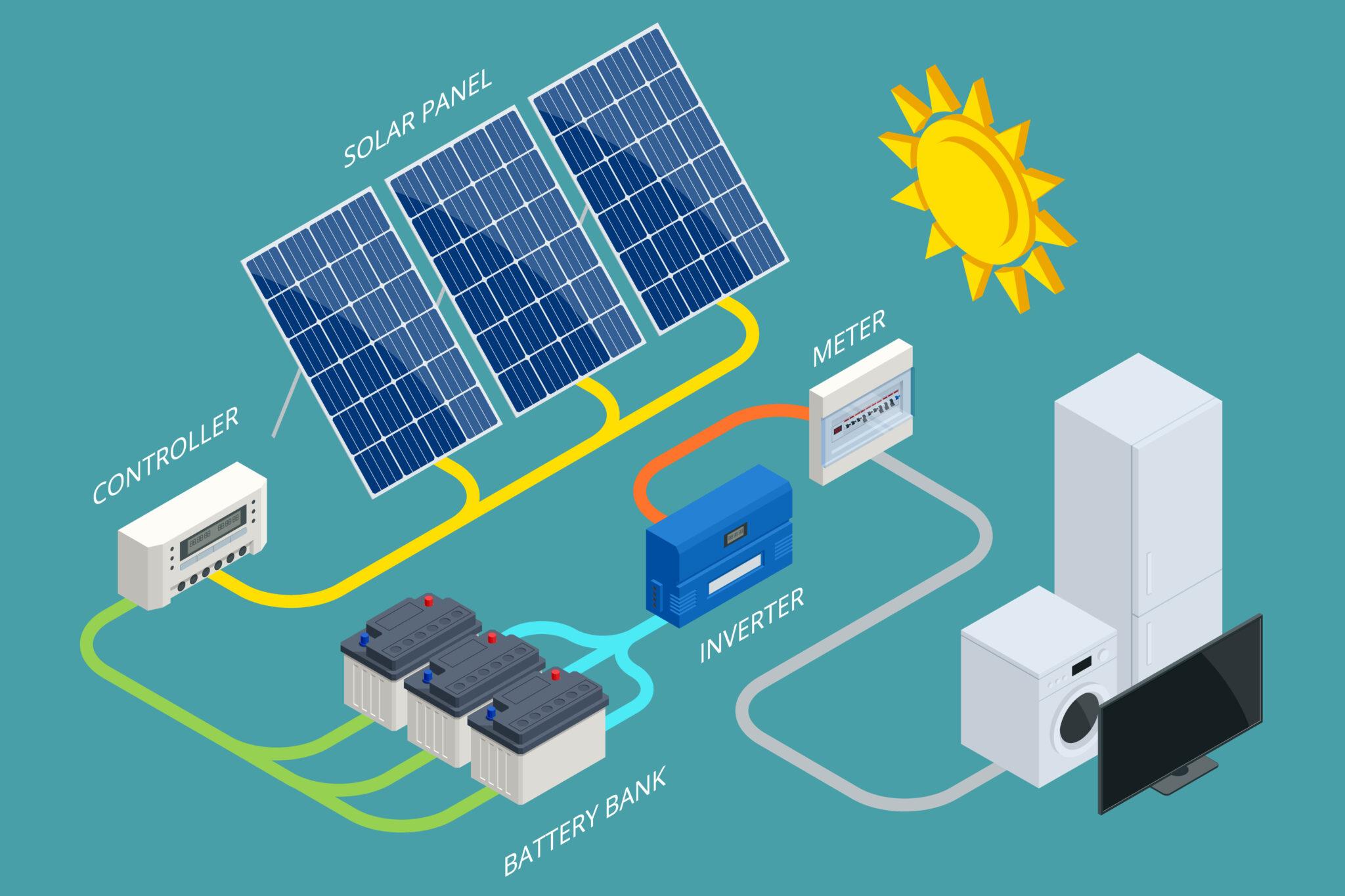
Electricity is an essential part of everyday life, powering lighting, appliances, heating, cooling, communication devices, and other household equipment. When the electricity grid experiences an outage, even a short interruption can affect daily routines. A solar battery backup system can help homeowners maintain access to electricity by storing solar energy and supplying power when required.
By combining solar panels with battery storage and suitable backup equipment, households can use stored renewable energy when solar generation is unavailable or the grid is interrupted. This makes battery backup an increasingly useful option for homeowners looking for greater energy independence and resilience.
What Is a Solar Battery Backup System?
A solar battery backup system combines solar panels, an inverter, a battery, and backup functionality to store and supply electricity.
During sunny periods, solar panels generate electricity for the home. Excess electricity can be used to charge the battery. When solar generation decreases, stored energy can be used to power household appliances.
If the system is designed for backup operation, the battery may also supply selected household circuits when the grid goes offline.
Not every solar battery automatically provides backup power, so homeowners should confirm that the chosen system includes the required backup functionality.
How Does Solar Battery Backup Work?
A typical solar battery backup system operates through several stages:
- Solar panels generate electricity during daylight hours.
- The home uses electricity for appliances and other loads.
- Excess solar electricity charges the battery.
- The battery stores energy for later use.
- Stored energy can be used when solar generation falls.
- During a compatible grid outage, the backup system can supply designated circuits.
The exact operation depends on the equipment, inverter configuration, battery specifications, and electrical setup of the property.
Benefits of Solar Battery Backup
1. Backup During Power Outages
One of the most important advantages is the ability to maintain electricity during certain grid outages.
Depending on the system design, backup power may support essential appliances such as refrigerators, lights, internet equipment, and selected electrical circuits.
Homeowners should discuss their backup priorities with an experienced installer to determine the appropriate system configuration.
2. Better Use of Solar Energy
Solar panels generate electricity primarily during daylight hours, while many households continue using significant amounts of electricity after sunset.
Battery storage allows excess daytime solar generation to be stored and used later. This can help households increase their use of self-generated solar energy instead of immediately exporting all surplus generation to the grid.
3. Reduced Dependence on Grid Electricity
A solar battery backup system can provide households with greater control over their energy supply.
Stored solar electricity can be used during periods when solar panels are not generating enough power, helping reduce dependence on grid electricity.
The level of energy independence depends on the size of the solar system, battery capacity, household consumption, and weather conditions.
4. Potential Electricity Bill Savings
Using stored solar electricity at appropriate times may reduce the amount of electricity purchased from the grid.
However, savings vary from household to household. Electricity tariffs, energy consumption patterns, solar generation, battery capacity, and system costs all influence the financial benefits.
For this reason, homeowners should evaluate their expected energy usage before investing in battery storage.
Choosing the Right Battery Capacity
Selecting the appropriate battery capacity is essential for achieving the desired balance between performance and cost.
A household with relatively low electricity consumption may not need a large battery, while a larger home with high evening energy use may benefit from greater storage capacity.
Before choosing a battery, homeowners should consider:
- Average daily electricity consumption
- Solar system size
- Evening and overnight energy usage
- Desired backup duration
- Essential appliances during outages
- Battery usable capacity
- Battery power output
- Warranty and expected lifespan
- Installation requirements
A professional energy assessment can help identify a suitable battery size for the property.
Full-Home Backup vs Essential Loads
Not all battery backup systems are designed to power an entire property during an outage.
Some systems are configured to supply selected essential circuits. These may include lighting, refrigeration, internet equipment, security systems, or other priority appliances.
Other systems may be designed to provide broader household backup, depending on the inverter, battery capacity, electrical configuration, and system design.
Homeowners should clearly communicate their backup expectations before installation so the system can be designed accordingly.
Residential and Commercial Battery Backup
Battery backup technology can also be used by businesses that require greater energy resilience.
Commercial properties often have higher electricity consumption and may operate equipment that cannot easily be switched off during a power interruption. For these applications, larger energy storage solutions may be required.
Businesses can consider a Commercial battery system designed around their electricity consumption, solar generation, operating hours, and backup requirements.
Commercial battery storage may also support broader energy management strategies, including storing excess solar energy and managing electricity consumption during different periods.
Important Factors Before Installation
Installing a solar battery backup system requires more than simply selecting a battery.
Solar Generation
The solar system should generate sufficient electricity to meet household requirements and provide opportunities to charge the battery.
Battery Performance
Consider usable capacity, power output, efficiency, warranty, and expected operating life.
Backup Requirements
Determine which appliances and circuits need to remain operational during a power outage.
Installation Location
Battery systems have specific installation requirements. A qualified installer can assess the property and identify a suitable location.
Future Energy Needs
Consider future changes such as electric vehicles, home extensions, additional appliances, or increased electricity consumption.
Planning for future requirements can help ensure that the energy system remains useful over the long term.
Professional Installation and Maintenance
Solar batteries are sophisticated electrical systems and should be installed by appropriately qualified professionals.
A professional installer can assess the property, review electricity usage, select compatible equipment, and configure the system correctly.
Regular monitoring can also help homeowners understand solar generation, battery charging and discharging, and overall energy consumption.
Is a Solar Battery Backup System Worth Considering?
For homeowners who experience unreliable grid supply, use substantial electricity in the evening, or want to increase their use of solar energy, battery backup can be a valuable addition to a solar system.
The right choice depends on individual energy consumption, backup requirements, available budget, solar generation, and expected long-term benefits.
Rather than choosing a battery based solely on its capacity or price, homeowners should evaluate the complete system and how it will perform under their specific conditions.
Conclusion
A solar battery backup system can provide homeowners with a practical way to store solar energy, reduce grid dependence, and maintain access to electricity during compatible power outages. When correctly sized and professionally installed, a battery can complement an existing solar system and improve overall energy management.
Whether the goal is greater energy independence, improved solar utilisation, or backup power, careful system planning is essential. For larger energy requirements, businesses can also explore commercial battery storage solutions designed around their operational needs.

 Arabic
 French
 Spanish
 Portuguese
 Deutsch
 Turkish
 Dutch
Dutch
 Italiano
 Russian
 Romaian
 Portuguese (Brazil)
 Greek
Greek