


Understanding Vehicle Ignition Coils: Types, Functions, and Key Benefits
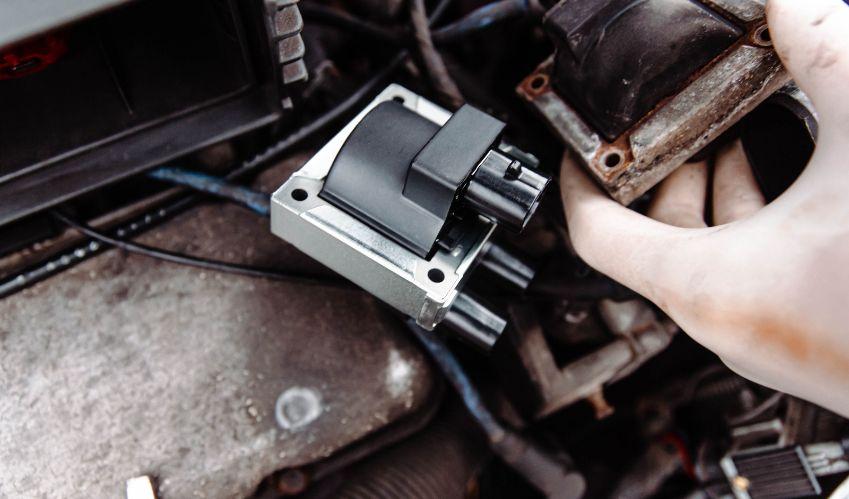
A vehicle's engine depends on a reliable ignition system to convert fuel into mechanical power. One of the most important components in this system is the ignition coil. It plays a critical role in generating the high voltage required to create a spark at the spark plug, helping the engine start and run efficiently.
As vehicle manufacturers continue to improve engine performance, fuel efficiency, and emissions control, reliable ignition components remain essential. The vehicle ignition coil market stood at approximately USD 6.29 Billion in 2025 and is projected to reach around USD 9.40 Billion by 2035, expanding at a compound annual growth rate (CAGR) of 4.10% over the 2026 and 2035 forecast period.
What Is a Vehicle Ignition Coil?
An ignition coil is an electrical transformer used in gasoline-powered vehicles. It converts the relatively low voltage supplied by the vehicle's battery into the much higher voltage needed by the spark plugs.
The coil typically contains two sets of wire windings known as the primary and secondary windings. When electrical current passes through the primary winding, it creates a magnetic field. When this current is interrupted, the magnetic field collapses and induces a high voltage in the secondary winding.
This high voltage is then delivered to the spark plug, where it generates a spark that ignites the air-fuel mixture inside the engine's combustion chamber.
How Does an Ignition Coil Work?
The ignition process involves several coordinated steps:
-
The vehicle's battery supplies electrical power to the ignition system.
-
Current flows through the primary winding of the ignition coil.
-
A magnetic field builds around the coil.
-
The ignition control system interrupts the primary current.
-
The magnetic field rapidly collapses.
-
A high voltage is generated in the secondary winding.
-
The voltage reaches the spark plug and produces a spark.
-
The spark ignites the compressed air-fuel mixture.
This process happens repeatedly while the engine is operating, allowing combustion to continue and the engine to produce power.
Common Types of Ignition Coils
Different vehicle designs use different ignition coil configurations. The most common types include:
Coil-on-Plug Ignition Coils
Coil-on-plug systems place an individual ignition coil directly above each spark plug. This configuration eliminates the need for long high-voltage spark plug wires.
Because each cylinder receives its own coil, the system can provide precise ignition timing and reliable spark delivery. Coil-on-plug technology is widely used in modern vehicles.
Coil Pack Ignition Systems
A coil pack contains multiple ignition coils in a single assembly. Instead of having one coil for every spark plug, the system can serve several cylinders.
Coil packs are relatively compact and can simplify the design of certain ignition systems. They have been used extensively in many vehicles with electronic ignition systems.
Distributor-Based Ignition Coils
Older vehicles commonly use a single ignition coil together with a distributor. The coil generates the high voltage, while the distributor directs it to the appropriate spark plug.
Although this arrangement has largely been replaced by electronic ignition systems, it remains relevant in older vehicles and certain classic automotive applications.
Electronic Ignition Coils
Modern electronic ignition systems use sensors and electronic control modules to determine when the spark should occur. These systems offer more precise ignition timing than traditional mechanical systems.
Electronic control can also contribute to better engine performance, fuel efficiency, and emissions management.
Key Benefits of Ignition Coils
A properly functioning ignition coil provides several important benefits for vehicle operation.
Reliable Engine Starting
The ignition coil must generate sufficient voltage to create a strong spark. A healthy coil supports reliable starting, particularly when the engine is exposed to challenging operating conditions.
Improved Engine Performance
Consistent spark delivery helps the engine burn the air-fuel mixture effectively. This can contribute to smooth acceleration, stable engine operation, and overall performance.
Better Fuel Efficiency
Efficient combustion can help reduce fuel waste. When the ignition system operates properly, the engine can maintain more consistent combustion across its cylinders.
Reduced Emissions
Complete and efficient combustion can help reduce certain unwanted exhaust emissions. Modern ignition systems therefore play an important supporting role in meeting increasingly stringent emissions requirements.
Longer Spark Plug Life
A properly functioning ignition system can help spark plugs operate under appropriate conditions. Regular inspection of both ignition coils and spark plugs can help maintain the overall health of the ignition system.
Signs of a Failing Ignition Coil
Ignition coils can deteriorate due to heat, vibration, electrical stress, moisture, and general wear. Recognizing potential symptoms can help prevent further engine problems.
Common warning signs include:
-
Difficulty starting the engine
-
Engine misfires
-
Rough idling
-
Reduced acceleration
-
Poor fuel economy
-
Engine hesitation
-
Check engine warning light
-
Increased exhaust emissions
These symptoms can also result from other engine or ignition problems. Therefore, proper diagnostic testing is important before replacing an ignition coil.
Factors Driving the Ignition Coil Market
Several factors are supporting demand for vehicle ignition coils. The increasing production of passenger and commercial vehicles contributes directly to demand for original equipment components.
At the same time, the growing global vehicle fleet is supporting the replacement market. As vehicles become older, ignition coils and other ignition system components may require inspection or replacement.
Technological improvements are another important factor. Manufacturers are developing ignition components designed to provide reliable performance under increasingly demanding engine conditions.
Role of Ignition Coils in Modern Vehicles
Modern engines rely on sophisticated electronic control systems to optimize combustion. Ignition coils work alongside sensors, engine control units, and spark plugs to deliver ignition at precisely controlled times.
This integration allows manufacturers to optimize engine performance while supporting fuel efficiency and emissions targets. As engine technology continues to evolve, ignition systems must also provide greater reliability and precision.
Future Outlook
The vehicle ignition coil market is expected to continue expanding as global vehicle production, ownership, and maintenance requirements support demand. The market's projected growth from USD 6.29 Billion in 2025 to around USD 9.40 Billion by 2035 reflects the continued importance of ignition components in internal combustion engine vehicles.
Although electric vehicles do not require conventional ignition coils, gasoline and hybrid vehicles that use internal combustion engines continue to create demand for these components. Advances in ignition technology, increasing vehicle durability requirements, and the expanding automotive aftermarket are likely to influence future market development.

 Arabic
 French
 Spanish
 Portuguese
 Deutsch
 Turkish
 Dutch
Dutch
 Italiano
 Russian
 Romaian
 Portuguese (Brazil)
 Greek
Greek