


Broken Bone Specialist London: Expert Assessment and Treatment for Fractures
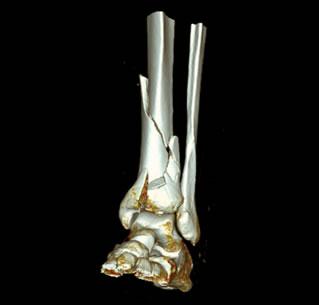
A broken bone can happen suddenly and can immediately affect your ability to move, work, exercise, or carry out everyday activities. Fractures may result from falls, sports injuries, accidents, or direct trauma, and their severity can vary considerably.
While some fractures can heal effectively with immobilisation and careful monitoring, others may require specialist treatment or surgery. For anyone searching for a broken bone specialist London, obtaining an accurate diagnosis is an important first step towards choosing the right treatment.
At Sobti Ortho, specialist orthopaedic care covers the assessment and management of fractures and traumatic injuries, with treatment tailored to each patient's circumstances.next
What Is a Broken Bone?
A fracture occurs when a bone develops a partial or complete break. The injury may be caused by a sudden force or, in some cases, repeated stress over time.
Fractures can vary in complexity. Some remain in their normal position, while others become displaced or fragmented.
Common fracture types include:
-
Simple fractures
-
Displaced fractures
-
Undisplaced fractures
-
Comminuted fractures
-
Open fractures
-
Stress fractures
-
Joint-related fractures
The type of fracture helps determine the most appropriate treatment.
Common Causes of Fractures
A broken bone can occur for many reasons.
Falls
A fall can place significant force on the wrist, arm, shoulder, hip, ankle, or other parts of the body.
Sports Injuries
Contact sports, running, jumping, and high-impact activities can result in fractures.
Road Traffic Accidents
Vehicle accidents can produce high-energy injuries and complex fractures.
Workplace Injuries
Falls, machinery accidents, and heavy impacts can cause significant bone injuries.
Repetitive Stress
Repeated stress can sometimes lead to small cracks known as stress fractures.
Symptoms of a Broken Bone
Symptoms depend on the location and severity of the fracture.
Common signs include:
-
Sudden pain
-
Swelling
-
Bruising
-
Tenderness
-
Difficulty moving the affected area
-
Inability to put weight through a limb
-
Abnormal appearance or positioning
Not every fracture is visibly obvious, which is why medical assessment may be necessary following a significant injury.
Why Accurate Diagnosis Matters
A fracture can sometimes appear relatively straightforward but involve an important joint surface or have alignment issues that require specialist attention.
Assessment helps determine:
-
Whether a fracture is present
-
Where the fracture is located
-
Whether the bone is displaced
-
Whether a joint is involved
-
Whether the injury is stable
-
Whether surgery may be required
Imaging is often an important part of this process.
Imaging for Fractures
X-Rays
X-rays are commonly used to identify broken bones and evaluate their alignment.
CT Scans
CT scans can provide more detailed information about complex fractures and injuries involving joints.
MRI
MRI may be considered when soft-tissue damage or certain types of fractures need further assessment.
The appropriate imaging depends on the injury and clinical findings.
Non-Surgical Fracture Treatment
Many fractures can be managed without surgery.
Depending on the injury, treatment may involve:
-
A cast
-
A brace
-
Immobilisation
-
Activity modification
-
Pain management
-
Follow-up imaging
-
Physiotherapy
The aim is to allow the bone to heal while maintaining appropriate alignment and function.
When Is Surgery Needed?
Some fractures require surgical treatment.
Surgery may be considered when:
-
The bone is significantly displaced
-
The fracture is unstable
-
The joint surface is affected
-
The fracture cannot be maintained in the correct position
-
There is a significant open injury
-
Normal function is unlikely to be restored through non-surgical care
The surgical technique depends on the location and pattern of the fracture.
Fracture Fixation
When surgery is required, the surgeon may use specialised fixation methods.
These can include:
-
Plates
-
Screws
-
Intramedullary nails
-
Other fixation devices
The objective is to restore appropriate alignment and provide stability while the bone heals.
What Happens After Treatment?
Fracture management does not end when the bone has been immobilised or surgically fixed.
Follow-up care may involve:
-
Repeat imaging
-
Gradual movement
-
Strengthening exercises
-
Physiotherapy
-
Progressive weight-bearing
-
Functional rehabilitation
The recovery timeline depends on factors such as fracture location, severity, treatment method, age, and general health.
Rehabilitation After a Broken Bone
Immobilisation can cause muscles to weaken and joints to become stiff.
A rehabilitation programme can help restore:
Strength
Targeted exercises rebuild muscle strength around the affected area.
Mobility
Movement exercises can improve joint flexibility.
Balance
Balance training can be particularly important following lower-limb fractures.
Confidence
Gradual rehabilitation can help patients regain confidence in using the injured limb.
When Should You Seek Specialist Care?
A significant injury should be medically assessed, particularly if there is:
-
Severe pain
-
Major swelling
-
Visible deformity
-
Loss of movement
-
Inability to bear weight
-
Numbness or altered sensation
-
An open wound near the suspected fracture
Urgent medical care is particularly important for severe trauma or injuries associated with significant deformity or circulation problems.
Choosing a Broken Bone Specialist in London
Finding the right specialist can be particularly important when a fracture is complex or involves a joint.
A broken bone specialist London can assess the injury, review imaging, explain treatment choices, and help establish an appropriate recovery plan.
At Sobti Ortho, fracture and trauma treatment is tailored to the individual injury and the patient's functional requirements.
Final Thoughts
A broken bone can be a major disruption, but appropriate diagnosis and treatment can support proper healing and help restore normal function.
Some fractures can be treated with immobilisation and rehabilitation, while complex or unstable injuries may require surgical fixation. The correct treatment depends on the specific fracture and the patient's individual circumstances.
If you have sustained a significant injury or have been diagnosed with a fracture, specialist assessment from a broken bone specialist London can help you understand your treatment options and plan the next stage of your recovery.

 Arabic
 French
 Spanish
 Portuguese
 Deutsch
 Turkish
 Dutch
Dutch
 Italiano
 Russian
 Romaian
 Portuguese (Brazil)
 Greek
Greek