


How to Protect Furniture During Interior Painting
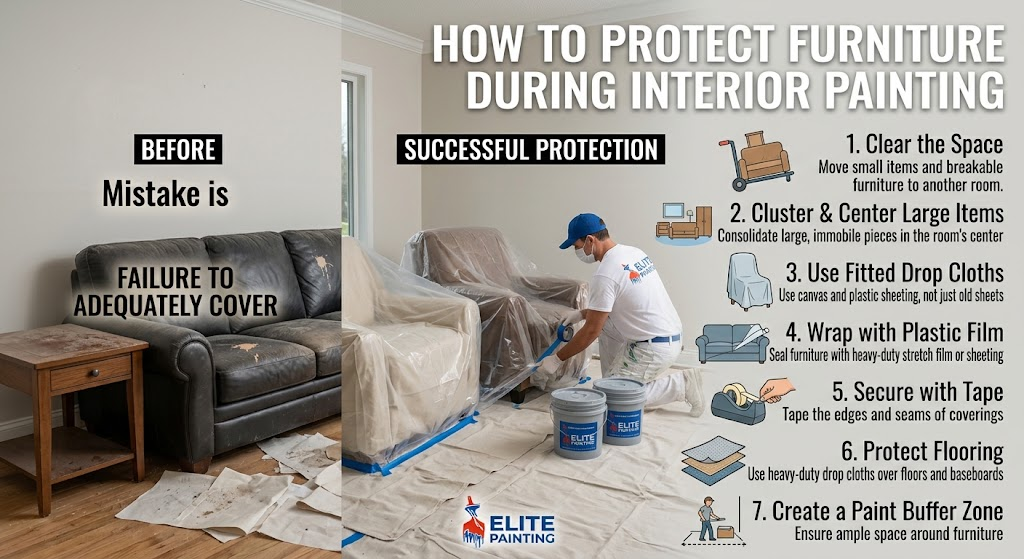
Painting a room can completely change the look and feel of your home, but the process can also create a mess if your furniture is not properly protected. Even careful painters can experience unexpected drips, splatters, dust, or accidental bumps while moving around the room. Taking time to prepare your furniture before the first coat goes on can save you from difficult cleanup, stains, scratches, and unnecessary repairs.
Protecting furniture is important whether you are refreshing one bedroom or painting several rooms throughout the house. The same attention you might give to outdoor projects such as Deck Repair in Greenville should also be applied indoors: proper preparation helps prevent avoidable damage and keeps the project under control. With the right materials and a simple plan, you can protect everything from large sofas and dining tables to delicate wooden furniture and electronics.
Start by Creating a Furniture Protection Plan
Before moving anything, walk through the room and decide what needs to be removed, covered, or left in place. Do not wait until paint cans are open to figure this out. A few minutes of planning can make the entire job easier.
Ideally, remove as much furniture from the room as possible. Smaller chairs, lamps, side tables, decorations, and other portable items should be moved to another room. The less furniture you have around the walls, the easier it will be to paint safely.
For large pieces that cannot be removed, move them toward the center of the room. This gives you enough space to work around walls while keeping the furniture away from brushes and rollers.
Clean the Area Before Covering Furniture
It may seem unnecessary to clean furniture before covering it, but removing dust and loose debris is a useful step. Dust can settle on protective covers and eventually transfer onto furniture when the covers are moved.
Use a soft cloth or vacuum attachment to remove dust from sofas, cabinets, tables, and other surfaces. Pay particular attention to furniture that has been sitting against walls for a long time.
You should also clean the floor before placing protective coverings. Dirt and small stones underneath a drop cloth can scratch certain flooring surfaces when people walk over them during the project.
Move Furniture Safely
Furniture protection starts with careful handling. Scratches and dents can happen before painting even begins if large pieces are dragged across the floor.
Whenever possible, lift furniture rather than dragging it. For heavier items, use furniture sliders to move them safely. If you are working with a large cabinet, wardrobe, or other bulky piece, ask someone to help rather than trying to move it alone.
Once furniture is positioned in the center of the room, leave enough walking space around it. Crowding everything into one area can create a tripping hazard and may make it difficult to reach parts of the wall.
Use the Right Covers
Not all protective materials provide the same level of protection. Choosing the right cover for each piece of furniture can prevent both paint damage and moisture-related problems.
Plastic Sheeting
Plastic sheeting is useful for protecting furniture from paint splatters and dust. It works particularly well over larger pieces such as sofas, bookcases, cabinets, and tables.
However, plastic can move easily when someone walks nearby or when air circulates through the room. Secure it carefully so that it stays in place.
Avoid wrapping upholstered furniture tightly in plastic for extended periods, especially in warm or humid conditions. Trapped moisture can create problems for some fabrics and materials.
Canvas Drop Cloths
Canvas drop cloths are heavier and less slippery than thin plastic. They are excellent for floors and can also provide additional protection for furniture.
For valuable or delicate pieces, consider using a soft blanket or furniture pad underneath a waterproof cover. This combination helps protect against both paint and accidental scratches.
Old Sheets and Blankets
Old sheets can provide a basic layer of protection against dust and light splashes. Thick blankets are particularly useful for wooden furniture because they can help prevent scratches and minor impacts.
Keep in mind that ordinary fabric is not waterproof. If you are concerned about significant paint spills, place a waterproof covering over the fabric rather than relying on a sheet alone.
Protect Upholstered Furniture Carefully
Sofas, armchairs, ottomans, and fabric dining chairs require extra attention because paint can soak into upholstery quickly.
If possible, move upholstered furniture completely out of the room. If that is not practical, vacuum the surface first and cover it with a clean furniture sheet or protective blanket. Add a waterproof layer over the top if there is a realistic risk of paint splashing.
Make sure the cover reaches the bottom of the furniture. Paint droplets do not always fall straight down; rollers can fling small amounts of paint surprisingly far.
Do not leave exposed gaps around armrests, cushions, or corners. These are easy areas to overlook and can become stained during painting.
Protect Wooden Furniture From Scratches
Wooden furniture can be damaged by more than paint. During an interior painting project, furniture may be bumped, shifted, or used as a temporary surface for tools.
Avoid placing paint cans, brushes, ladders, or other equipment directly on finished wooden surfaces. Even a small amount of spilled paint can be difficult to remove without damaging the finish.
Cover wooden tables, cabinets, and chairs with soft blankets before adding a protective plastic or waterproof covering. This gives the finish an extra layer of protection from scratches.
Also, never use furniture as a step stool or ladder. Apart from potentially damaging the furniture, this can create a serious safety risk.
Keep Paint Supplies Away From Furniture
A major part of furniture protection is controlling where your painting supplies go.
Designate one area of the room as a work station. Keep paint cans, trays, brushes, rollers, extension poles, and cleaning supplies there. Ideally, this area should be away from furniture and positioned where accidental spills are less likely to cause damage.
Always close paint containers when they are not being used. A container left open on the floor can easily be knocked over.
If you need to carry a paint tray across the room, avoid walking around covered furniture while holding it at an unstable angle. Take your time and keep both hands available when necessary.
Protect Furniture From Paint Dust and Debris
Interior painting does not only involve wet paint. Sanding walls, repairing small imperfections, and preparing surfaces can create fine dust.
Before sanding, make sure furniture is completely covered. If possible, remove it from the room entirely.
Close doors to nearby rooms to limit dust movement. You can also cover vents temporarily when appropriate, but make sure you understand how your heating or cooling system works before blocking ventilation openings. Once preparation is complete, clean the area thoroughly before painting.
Be Careful With Tape
Painter's tape is primarily designed to protect edges and create clean paint lines, not to secure heavy furniture covers.
Use painter's tape on suitable surfaces where needed, but avoid sticking tape directly to delicate furniture finishes. Some finishes may react poorly to adhesive, particularly if the furniture is old or has a fragile surface.
Instead, use tape to secure protective coverings to themselves or to appropriate non-damaging surfaces. Check the manufacturer's recommendations for the specific tape you are using.
Protect Furniture During Multiple-Day Projects
If the painting project will take several days, do not assume one covering is enough.
Check your furniture protection at the end of each workday. Make sure covers have not shifted, corners have not become exposed, and no paint has collected on top of the protective material.
If you need to leave furniture covered overnight, make sure the room has appropriate ventilation and that coverings are not creating unnecessary moisture buildup.
If other home improvement work is happening at the same time, such as a deck repair service in Valhalla, keep indoor and outdoor project materials separated whenever possible. This reduces the chance of dirt, tools, or debris being carried into the freshly painted room.
What to Do If Paint Gets on Furniture
Even with careful preparation, accidents can happen. If paint reaches furniture, act quickly.
For water-based latex or acrylic paint, gently blot fresh paint with a clean, damp cloth rather than rubbing it deeper into the material. For upholstery, avoid excessive moisture and follow the manufacturer's cleaning instructions.
For finished wood, wipe up spills carefully and avoid aggressive scraping or harsh chemicals that could damage the finish.
If the paint has already dried, do not immediately reach for a strong solvent. The wrong cleaner can cause more damage than the paint itself. Identify the furniture's material and finish first, then use an appropriate cleaning method.
For valuable antiques, delicate upholstery, or expensive furniture, professional cleaning may be safer than experimenting with household products.
Remove Covers Carefully After Painting
Once painting is finished, resist the temptation to pull all the coverings off immediately.
First, check whether any paint is still wet. Carefully fold or roll protective materials inward so that paint residue does not transfer to clean surfaces.
Move furniture back only after the walls and surrounding areas are sufficiently dry. Be particularly careful around freshly painted walls because furniture can easily leave marks or scrape paint that has not fully cured.
Use furniture sliders when repositioning heavy pieces, and avoid pushing them directly against newly painted walls.
Final Furniture Protection Checklist
Before starting an interior painting project, make sure you have:
- Removed small and valuable furniture from the room.
- Moved large furniture away from the walls.
- Cleaned dust and debris from furniture and floors.
- Used appropriate drop cloths, blankets, or plastic coverings.
- Protected upholstered furniture from moisture.
- Added soft padding to protect delicate wooden surfaces.
- Created a dedicated area for paint and supplies.
- Avoided placing tools or paint cans directly on furniture.
- Checked coverings throughout the project.
- Cleaned paint spills as soon as possible.
- Removed protective materials carefully after painting.
Conclusion
Protecting furniture during interior painting is mostly about preparation, patience, and using the right protective materials. Moving what you can, covering what you cannot, and keeping paint supplies organized will significantly reduce the risk of stains, scratches, and accidental damage. A careful approach also makes painting easier because you can focus on the walls instead of worrying about what is underneath the drop cloth. Whether you are tackling a small room refresh or a larger home improvement project, JLL Painting can be part of a professional approach where careful preparation and quality workmanship go hand in hand.
FAQs
1. What is the best way to protect furniture while painting?
The best approach is to remove furniture from the room whenever possible. For large pieces that cannot be moved, place them in the center of the room and cover them with blankets, furniture pads, and waterproof protective coverings.
2. Can I use plastic to cover my furniture while painting?
Yes, plastic sheeting can protect furniture from paint splatters and dust. However, avoid wrapping upholstered furniture tightly for long periods because trapped moisture may cause problems. Use plastic as a protective outer layer rather than the only protection for delicate furniture.
3. Should I remove furniture before painting a room?
Removing as much furniture as possible is recommended. It creates more working space, reduces the risk of accidental damage, and makes it easier to reach walls and corners. Large furniture that cannot be removed should be moved away from the walls and covered properly.
4. How can I remove fresh paint from furniture?
The safest method depends on the furniture's material and the type of paint. Fresh water-based paint can often be gently blotted with a damp cloth, while upholstery and finished wood require more careful treatment. Avoid harsh chemicals unless you know they are safe for the particular surface.

 English
 Arabic
 French
 Spanish
 Portuguese
 Deutsch
 Turkish
 Italiano
 Russian
 Romaian
 Portuguese (Brazil)
 Greek
Greek