


How to Choose Commercial Washing Machines for Hotels
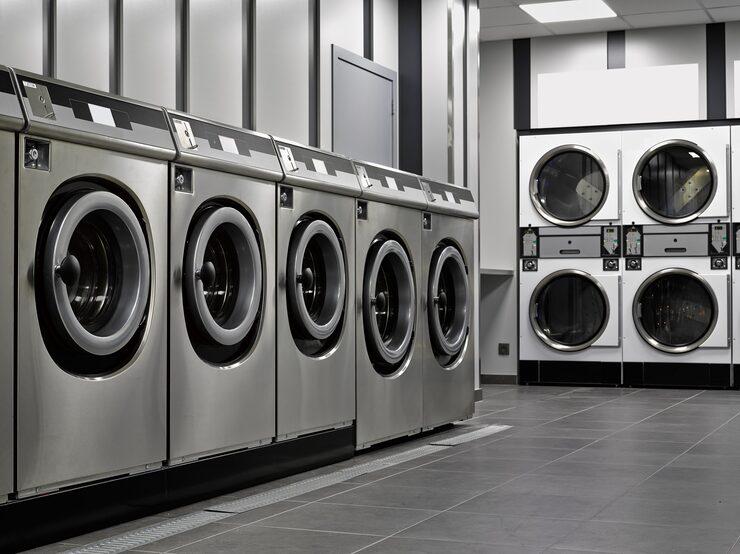
Running a hotel laundry is very different from washing clothes at home. Hotels process large volumes of bed sheets, towels, pillowcases, uniforms, table linen, bathrobes and other textiles every day. The laundry equipment therefore needs to deliver consistent cleaning, efficient water extraction, manageable operating costs and reliable performance during busy periods.
Choosing the right commercial washing machine for hotels starts with understanding the hotel's actual laundry workload rather than simply buying the machine with the largest capacity or the lowest purchase price.
A well-planned laundry system should match the hotel's linen volume, available space, fabric types, staffing, utilities, workflow and expected operating schedule. It should also integrate properly with dryers, ironing equipment and linen handling processes.
Supershine Laundry provides commercial and industrial laundry equipment solutions for hospitality, healthcare, educational, industrial and other high-volume applications. Its range includes washer extractors and larger laundry systems designed for demanding commercial environments.
Why Choosing the Right Hotel Washing Machine Matters
A hotel laundry directly affects housekeeping operations. If clean linen is not available when rooms need to be serviced, the problem can quickly extend beyond the laundry department.
An undersized washing machine may require excessive cycles and overtime. An oversized machine, on the other hand, can be inefficient if the hotel regularly runs partially loaded cycles.
The right equipment should provide an appropriate balance between:
- Load capacity
- Wash performance
- Cycle flexibility
- Extraction capability
- Water consumption
- Energy requirements
- Labour productivity
- Installation requirements
- Maintenance needs
- Equipment lifespan
- Total operating cost
The objective is not simply to purchase a powerful machine. It is to create a laundry process that can handle the hotel's daily workload consistently.
1. Calculate the Hotel's Actual Laundry Requirement
Start with the laundry rather than the machine.
Estimate how much linen the hotel processes during an average day and, more importantly, during its busiest periods. Occupancy levels, housekeeping schedules, restaurant operations, spa facilities and banquet events can all influence laundry volume.
For example, a hotel may process:
- Bed sheets and duvet covers
- Pillowcases
- Bath and hand towels
- Pool towels
- Housekeeping uniforms
- Restaurant napkins and table linen
- Kitchen textiles
- Spa and wellness textiles
- Staff uniforms
The calculation should also consider how frequently items are changed and whether the hotel operates its own laundry or processes linen for other properties.
Once the approximate daily kilogram requirement is known, the laundry manager can determine whether several medium-capacity washer extractors or fewer high-capacity machines would make more operational sense.
Avoid selecting equipment based only on the hotel's room count. A 100-room property with a large banquet operation can have a very different laundry workload from another 100-room hotel without extensive food-service facilities.
2. Choose Capacity Based on Load Patterns
Capacity is one of the most important considerations when selecting a commercial washing machine for hotels.
Commercial washer extractors are available across a wide range of capacities. Supershine's current washer-extractor range, for example, includes machines from smaller commercial capacities through high-capacity industrial models, as well as barrier washer extractors for specialised institutional applications.
The correct capacity depends on the actual load profile.
A practical approach is to divide laundry into manageable categories and identify which loads occur most frequently.
For instance, a hotel might benefit from different machine capacities for everyday room linen and larger batches generated by banquet or institutional operations.
Don't Consistently Overload the Machine
Overloading can prevent textiles from moving properly inside the wash drum. That can affect detergent distribution, mechanical action, rinsing and overall cleaning performance.
Don't Consistently Underload It Either
Running a large machine with very small loads can reduce the operational advantage of high capacity. The machine selection should therefore reflect typical—not exceptional—load sizes.
A laundry equipment specialist can help calculate the appropriate combination of machines based on kilograms processed per day and required turnaround time.
3. Look at Wash Cycle Flexibility
Hotels rarely wash one type of textile exclusively.
Cotton sheets, towels, uniforms, delicate fabrics and food-service linen can have different washing requirements. A machine should therefore offer programmable cycles appropriate to the textile categories being processed.
Useful considerations include:
- Programmable wash sequences
- Temperature control
- Pre-wash options
- Multiple rinse stages
- Adjustable wash times
- Water-level management
- Extraction settings
- Chemical dosing compatibility
The goal is consistent processing rather than using one aggressive programme for every load.
Proper cycle selection can also help reduce unnecessary mechanical or thermal stress on textiles.
4. Pay Attention to Extraction Speed
Washing is only one stage of hotel laundry processing.
After the final rinse, the amount of water remaining in the textile affects what happens next. Higher extraction forces can remove more moisture before the load enters the dryer, potentially reducing drying requirements.
Supershine's commercial washer-extractor range includes models using high extraction force, with some listed models offering 350G extraction.
However, the highest possible extraction setting is not automatically appropriate for every textile. Fabric type, construction and care requirements should be considered when establishing extraction programmes.
The important question for hotel operators is:
How effectively does the washing system prepare each load for the next stage of processing?
That is where washing and drying equipment should be considered as one workflow rather than as separate purchases.
5. Consider Water and Energy Consumption
Utility costs can become significant in a busy hotel laundry.
A machine's water consumption should be evaluated alongside:
- Number of wash stages
- Rinse requirements
- Heating method
- Load size
- Cycle frequency
- Water temperature
- Extraction efficiency
- Dryer requirements
It is important not to judge efficiency from one specification alone.
A machine that uses less water but requires inefficient operation may not deliver the lowest overall cost. Similarly, reducing wash time at the expense of cleaning quality can create rewash requirements.
The better approach is to evaluate cost per processed kilogram of laundry where reliable operating data is available.
Ask the equipment supplier for manufacturer-specific consumption information and clarify the conditions under which those figures were measured.
6. Check Installation Requirements Before Ordering
A machine can look perfect on paper and still be unsuitable for a particular hotel laundry room.
Before purchasing, assess:
- Available floor area
- Door and corridor dimensions
- Electrical supply
- Water inlet requirements
- Drainage capacity
- Hot-water or steam availability
- Ventilation
- Floor loading
- Machine access for maintenance
- Loading and unloading space
- Position of dryers and finishing equipment
Installation requirements vary according to the machine design and manufacturer.
For example, Supershine lists both softmount washer extractors and other industrial configurations. Some of its softmount models are designed for freestanding installation without conventional foundation requirements, but the exact installation requirements must always be confirmed for the selected model and site.
A site assessment before purchase can prevent expensive modifications later.
7. Think About Laundry Workflow, Not Just the Washer
A commercial laundry works as a process.
A typical hotel workflow may include:
Soiled linen → Sorting → Washing → Extraction → Drying → Ironing/Finishing → Folding → Clean-linen storage
If the washer is much faster than the dryers, the washer may not be the bottleneck.
If the dryers are faster than the washing process, clean loads may accumulate before drying.
The same applies to flatwork finishing. A hotel processing large volumes of sheets may need suitable feeding, ironing and folding equipment to prevent the finishing stage from becoming the slowest part of the operation.
Supershine also provides commercial laundry solutions covering washing, drying and flatwork finishing, allowing equipment planning to be considered as an integrated laundry workflow.
8. Evaluate Durability for the Expected Workload
Commercial laundry equipment is expected to operate much more frequently than domestic equipment.
A hotel should therefore evaluate the machine's suitability for its expected daily workload and operating schedule.
Ask:
- How many cycles is the machine expected to handle?
- What components require routine inspection?
- Are replacement parts readily available?
- What maintenance access is provided?
- What support is available after installation?
- What is the recommended preventive maintenance schedule?
Do not make durability decisions based solely on marketing language.
Instead, ask the supplier for technical documentation, maintenance requirements and model-specific operating information.
9. Maintenance Should Be Part of the Buying Decision
A washing machine that is difficult to maintain can become an operational problem even if its initial purchase price looks attractive.
Hotel laundry managers should establish a preventive maintenance routine covering areas such as:
- Door seals
- Drain systems
- Water connections
- Filters
- Bearings and moving components
- Detergent systems
- Electrical connections
- Safety systems
- Control components
The exact maintenance schedule should follow the manufacturer's instructions.
Regular inspection can also help identify developing problems before they result in unexpected downtime. Supershine's own maintenance guidance emphasises the importance of planned care for commercial laundry equipment.
10. Calculate Total Cost of Ownership
The purchase price is only one part of the investment.
A hotel should consider the total cost of operating the equipment over its useful working life.
This can include:
Purchase + installation + water + heating/energy + chemicals + labour + maintenance + spare parts + downtime
A machine with a higher initial price may make financial sense if its operating characteristics, productivity and maintenance requirements suit the hotel's workload.
Conversely, choosing the cheapest available machine without considering capacity, utilities and service support can create higher costs later.
This is why ROI should be evaluated using the hotel's actual laundry volume rather than a generic industry calculation.
11. Consider Staff Usability
Hotel laundry teams may work across different shifts and experience levels.
Controls should be straightforward enough for operators to select the correct programme without unnecessary complexity.
Programmable controls can also help standardise washing procedures. Instead of relying entirely on individual operator judgement, the hotel can establish appropriate programmes for different textile categories.
Training remains important. Staff should understand loading procedures, detergent handling, programme selection, safety procedures and basic daily checks.
12. When Should a Hotel Consider a Barrier Washer?
Barrier washer extractors are particularly relevant to facilities where separation between soiled and clean areas is a critical part of the laundry workflow.
They are commonly associated with healthcare and other environments requiring controlled separation of laundry zones.
For example, Supershine lists barrier washer extractors in high capacities for institutional and healthcare laundry applications.
Hotels with specialised hygiene requirements should discuss whether a conventional washer extractor or a barrier configuration is appropriate for their facility, based on the laundry layout and applicable operational requirements.
Common Mistakes Hotels Make When Buying Washing Machines
Choosing capacity based only on room count
Laundry volume is influenced by occupancy, towels, restaurants, banquets, spas and other services.
Focusing only on purchase price
The lowest initial price does not necessarily represent the lowest long-term operating cost.
Ignoring installation requirements
Electrical, drainage, water supply, ventilation and access requirements should be checked before finalising the equipment.
Buying the largest machine available
Large capacity is useful only when it matches the hotel's normal workload and workflow.
Treating washing equipment as a standalone purchase
Dryers, finishing equipment, linen handling and storage should be considered when planning the laundry.
Not asking about after-sales support
Maintenance, spare parts and technical assistance can become important operational considerations once the equipment is running every day.
Why Supershine Laundry Can Be Considered for Hotel Laundry Equipment
Supershine Laundry focuses on commercial and industrial laundry equipment for sectors including hospitality, healthcare, education, industrial operations and railway applications. Its equipment portfolio includes washer extractors, barrier washer systems, drying equipment and finishing technologies.
For a hotel, the most useful starting point is not simply asking, "Which washing machine should we buy?"
A better question is:
"What laundry system fits our workload, space, textile mix and operating requirements?"
Supershine can help businesses approach equipment selection as a complete laundry planning exercise, from equipment selection through the broader washing, drying and finishing workflow.
Final Thoughts: Choosing the Right Commercial Washing Machine for Hotels
Selecting a commercial washing machine for hotels requires more than comparing machine prices and kilogram capacities.
The right decision should consider daily laundry volume, peak workload, textile types, wash programmes, extraction performance, water and energy requirements, installation conditions, maintenance, staff usability and total operating cost.
For a smaller hotel, several appropriately sized machines may provide the flexibility needed to handle different loads. A larger property or central laundry may require high-capacity washer extractors and a more integrated processing line.
The best equipment choice is ultimately the one that fits the hotel's actual operation—not simply the machine with the biggest capacity or the longest list of features.
If you are planning a new hotel laundry, upgrading existing equipment or expanding laundry capacity, Supershine Laundry can help you evaluate commercial laundry equipment according to your operational requirements.
Ready to plan your hotel laundry setup?
Speak with Supershine Laundry about your expected laundry volume, available space, textile types and workflow requirements to identify suitable commercial washing equipment.
Frequently Asked Questions
1. What size commercial washing machine is best for a hotel?
There is no single capacity that suits every hotel. The appropriate size depends on daily laundry volume, peak demand, textile mix, available space and the number of cycles that can realistically be completed during operating hours. A laundry equipment specialist can calculate the required capacity from actual kilogram throughput.
2. Are washer extractors suitable for hotel laundry operations?
Yes. Commercial washer extractors combine washing and water extraction in one machine and are commonly used for on-premise commercial laundry applications. The appropriate model depends on the hotel's capacity and workflow requirements.
3. How important is extraction speed in hotel laundry?
Extraction performance is important because removing more moisture before drying can affect downstream drying requirements. However, extraction settings should be selected according to the textile and manufacturer's recommendations rather than automatically using the highest available setting.
4. What should hotels check before installing a commercial washing machine?
Hotels should check available floor space, access routes, electrical supply, water connections, drainage, ventilation, floor loading and maintenance access. Exact requirements should be confirmed against the technical documentation for the selected model.
5. Should hotels buy washing and drying equipment together?
It is often useful to plan them together because washing, extraction and drying are interconnected stages. Equipment capacity should be balanced so that one stage does not unnecessarily restrict the overall laundry workflow.
6. How can a hotel compare the real cost of different washing machines?
Compare more than the purchase price. Consider installation, water, energy, chemicals, labour, maintenance, spare parts, productivity and potential downtime. Where reliable manufacturer data is available, calculating estimated operating cost per kilogram of processed laundry can provide a more useful comparison.

 English
 Arabic
 French
 Spanish
 Portuguese
 Deutsch
 Turkish
 Dutch
Dutch
 Italiano
 Romaian
 Portuguese (Brazil)
 Greek
Greek