


How Medical Professionals Benefit From Partnering With a Trusted Surgical Supply Store and Medical Equipment Shop
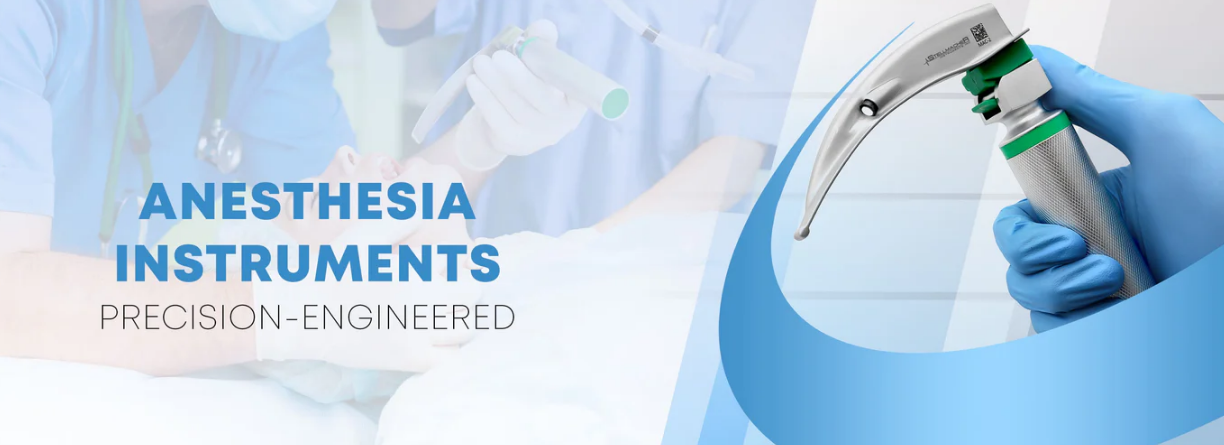
Medical professionals rarely choose their career because they want to manage inventory or negotiate with vendors, yet the tools and equipment they rely on every day are only as good as the supply relationships behind them. When a hospital, clinic, or practice partners with a trusted surgical supply store or medical equipment shop, the benefits extend well beyond the purchasing department. Physicians, surgeons, nurses, and technicians all feel the difference in ways that shape how confidently and effectively they can do their jobs.
1. More Time Spent on Patients, Less on Problem-Solving:
When a supply relationship is strong and dependable, medical professionals spend far less time troubleshooting shortages, chasing down missing instruments, or improvising with substitute equipment. A trusted supplier anticipates needs, manages reordering proactively, and resolves issues before they reach the point of disrupting patient care. This shift frees up mental and physical bandwidth for clinical staff, allowing them to stay focused on diagnosis, treatment, and patient interaction rather than logistics that fall outside their expertise.
2. Greater Confidence in Equipment Quality and Availability:
Surgeons planning a procedure and nurses preparing a treatment room both depend on a basic assumption: the instruments and devices they need will be there, and they will work as expected. A trusted supplier builds this confidence through consistent quality control, reliable stock levels, and transparency about lead times or substitutions. This reliability reduces the mental load of double-checking supply availability and allows professionals to plan their work with the assumption that the tools they need will simply be ready.
3. Access to Specialized Knowledge and Product Guidance:
Medical equipment and surgical technology evolve constantly, and it is unreasonable to expect every clinician to track every new product, material innovation, or regulatory change on their own. A knowledgeable supplier partner fills this gap by offering guidance on product selection, alerting professionals to safer or more efficient alternatives, and providing training when new equipment is introduced. This kind of support effectively extends a facility's expertise, giving medical professionals access to specialized product knowledge without needing to become procurement experts themselves.
4. Fewer Disruptions During High-Stakes Situations:
In surgical suites, emergency departments, and intensive care settings, even small supply disruptions can have outsized consequences. A trusted supplier reduces this risk by prioritizing responsiveness during urgent situations, maintaining backup options for critical items, and communicating clearly when issues arise rather than leaving clinical teams to discover problems on their own. For professionals working in high-pressure environments, this reliability translates directly into a calmer, more controlled working environment.
5. Consistency That Supports Skill and Familiarity:
Repeated use of consistent, high-quality instruments and equipment allows medical professionals to build genuine familiarity and proficiency with their tools. Frequent changes in product brands or quality — often the result of chasing short-term cost savings — can undermine this familiarity and introduce unnecessary variability into clinical work. A long-term supplier relationship supports consistency, allowing surgeons, nurses, and technicians to develop deeper comfort and skill with the equipment they use most often, which in turn supports better precision and outcomes.
6. A Partner Who Understands Their Daily Reality:
Perhaps the most underrated benefit of working with a trusted supplier is simply being understood. Suppliers who take the time to learn a facility's specialties, patient population, and day-to-day workflow are far better equipped to support the professionals working within it. This understanding shows up in small but meaningful ways — recommending the right product for a specific procedure, flagging an item that has been problematic elsewhere, or adjusting delivery schedules around a facility's actual patterns of use. Medical professionals benefit directly from working with a supplier who treats their operational reality as a starting point rather than an afterthought.
7. Conclusion:
The relationship between medical professionals and their surgical supply or medical equipment partner is easy to take for granted when it works well, but its impact is significant. From reducing administrative distractions to building confidence in equipment reliability and offering specialized guidance, a trusted supplier partnership directly supports the ability of doctors, nurses, and other clinical staff to do their best work. For medical professionals, that kind of dependable partnership is not simply a convenience — it is a quiet but essential foundation for delivering consistent, high-quality patient care.

 English
 Arabic
 French
 Spanish
 Portuguese
 Deutsch
 Turkish
 Dutch
Dutch
 Italiano
 Russian
 Romaian
 Portuguese (Brazil)