


Kitchen Sink Plumbing Repair: Common Problems and Solutions

A kitchen sink is one of the most frequently used plumbing fixtures in any home. From washing dishes and preparing meals to cleaning food containers, the sink handles a constant flow of water and waste. Because of this daily use, relatively small plumbing issues can quickly become inconvenient or develop into more serious problems.
Understanding common sink plumbing faults can help homeowners recognise warning signs early and know when professional attention may be appropriate. This is particularly relevant during kitchen upgrades, where changes to cabinetry, sinks, appliances, drainage systems, and water connections can affect existing plumbing.
Whether a property is undergoing kitchen renovations St Kilda, an upgrade in Kew, or improvements elsewhere in Melbourne, careful attention to plumbing can help create a functional and reliable kitchen.
Understanding Common Kitchen Sink Plumbing Problems
Kitchen sink problems can have several causes. Some are related to everyday use, while others result from ageing pipes, poor drainage, incorrect installation, or changes made during renovations.
1. Slow-Draining Kitchen Sinks
A slow drain is one of the earliest signs of a developing plumbing problem. Water may initially take only a few extra seconds to disappear, but the drainage speed can gradually decrease as residue accumulates inside the pipe.
Common causes include:
- Food particles entering the drain
- Grease and cooking oils
- Soap and detergent residue
- Accumulated organic matter
- Partial blockages in the waste pipe
- Poor drainage design or pipe positioning
Instead of repeatedly relying on chemical drain cleaners, homeowners should identify the cause of the restriction. Some harsh chemicals can damage certain plumbing components and may also create safety concerns.
Using a sink strainer can reduce the amount of food debris entering the drainage system. Regular cleaning and responsible disposal of cooking grease can also help prevent recurring blockages.
2. Leaking Pipes and Connections
Water beneath a kitchen sink should never be ignored. A small leak around a trap, connector, flexible hose, or pipe joint may seem minor, but continued moisture can damage cabinetry and flooring.
During an inspection, plumbers commonly check:
- Pipe joints and seals
- Sink waste connections
- Flexible water supply hoses
- Tap connections
- Waste traps
- Dishwasher connections
- Isolation valves
If moisture is appearing repeatedly, placing a container underneath the leak may temporarily protect the cabinet, but it does not resolve the underlying issue. The connection should be inspected and repaired appropriately.
Why Plumbing Matters During Kitchen Renovations
Kitchen renovations involve much more than replacing cabinets and installing new surfaces. Moving a sink, changing its size, adding a dishwasher, or altering the position of appliances can require changes to water supply and drainage.
This is why plumbing should be considered during the planning stage rather than after the cabinetry has been installed.
For example, kitchen renovations Kew may involve replacing an older kitchen layout with a more contemporary design. If the new sink is positioned several hundred millimetres away from the original plumbing points, the drainage and water supply arrangements may need to be modified.
Similarly, a kitchen renovation St. Kilda property may involve older plumbing infrastructure that requires additional assessment before new fixtures are installed.
Planning plumbing work early can help prevent situations where newly installed cabinetry needs to be removed to access pipes or connections.
3. Leaking Taps and Water Supply Issues
Not every kitchen plumbing problem originates beneath the sink. A dripping or leaking tap can waste water and may indicate worn internal components.
Common signs include:
- Persistent dripping after the tap is closed
- Water around the tap base
- Loose handles
- Reduced water pressure
- Unusual noises when opening or closing the tap
- Water appearing beneath the benchtop
The appropriate repair depends on the type of tap and the source of the leak. Cartridge taps, mixer taps, traditional two-handle taps, and other designs have different internal components.
Replacing a worn washer, cartridge, seal, or connector can sometimes resolve the problem. However, where components are damaged or heavily worn, replacement may be more practical than repeated repairs.
4. Blocked or Poorly Draining Waste Pipes
A blocked kitchen waste pipe can cause unpleasant odours, standing water, and eventually complete drainage failure.
One important distinction is between a local sink blockage and a larger drainage problem. If only one fixture is affected, the restriction may be close to the sink. If several fixtures are draining slowly, the issue could involve a larger section of the property's drainage system.
Homeowners should watch for:
- Gurgling sounds
- Persistent drain odours
- Water backing up into the sink
- Repeated blockages
- Slow drainage across multiple fixtures
Repeated blockages deserve particular attention because clearing the immediate obstruction may not address the underlying cause.
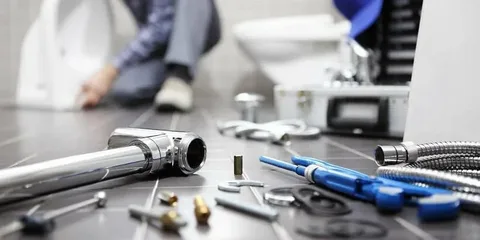
5. Kitchen Sink Plumbing Repair During Renovation Projects
Renovation work presents an opportunity to inspect plumbing before new fixtures conceal pipes and connections.
This is especially important when changing:
- Sink locations
- Kitchen islands
- Dishwashers
- Garbage disposal or waste equipment where applicable
- Water filtration systems
- Mixer taps
- Benchtops and cabinetry
- Drainage layouts
In larger renovation projects, plumbing requirements should be coordinated with cabinetmakers, electricians, builders, and other trades.
For homeowners researching kitchen renovations Richmond, this coordination can be particularly useful when an existing kitchen layout is being substantially changed. Plumbing access should be considered alongside cabinet dimensions and appliance locations.
Practical Ways to Prevent Kitchen Sink Problems
Preventive maintenance can reduce the likelihood of many common kitchen plumbing problems.
Avoid Pouring Grease Down the Drain
Cooking oils and grease can cool inside pipes and contribute to buildup. Collect used oil separately and dispose of it according to local waste guidelines.
Use a Drain Strainer
A simple strainer can catch food scraps before they enter the waste pipe. Empty it regularly rather than washing accumulated debris down the sink.
Check Under-Sink Cabinets
Every few weeks, inspect the cabinet beneath the sink for:
- Damp areas
- Water stains
- Corrosion
- Drips
- Musty smells
- Loose connections
Early detection can prevent a small leak from causing extensive cabinet or flooring damage.
Do Not Ignore Unusual Sounds
Gurgling, knocking, or bubbling sounds may indicate drainage or water-flow issues. While occasional noises can have simple explanations, persistent sounds should be investigated.
Know Where the Isolation Valves Are
Homeowners should know how to shut off the water supply to kitchen fixtures. In the event of a sudden hose or pipe failure, quickly isolating the water can reduce potential water damage.
When Professional Inspection Makes Sense
Some basic maintenance tasks can be handled by homeowners, but persistent or concealed plumbing problems require appropriate expertise.
Professional inspection may be useful when:
- A blockage keeps returning
- A pipe continues to leak after tightening
- Water is appearing inside walls or cabinetry
- Multiple fixtures are draining slowly
- Plumbing needs to be relocated
- New kitchen fixtures are being installed
- Renovation work affects existing water or drainage connections
For example, Pro Tap Plumbing and Maintenance provides plumbing services in Melbourne and can be considered when professional assessment is required for residential plumbing or renovation-related work.
The objective of professional plumbing is not simply to remove a blockage or stop a leak. A proper assessment should consider why the problem occurred and whether another underlying issue could cause it to return.
The Connection Between Plumbing and Modern Kitchen Design
Modern kitchen design increasingly combines functionality, efficient use of space, and integrated appliances. Large sinks, filtered water systems, dishwashers, pull-out mixers, and kitchen islands can all influence plumbing requirements.
This means plumbing is becoming an increasingly important part of the kitchen planning process.
A visually attractive kitchen can still experience practical problems if drainage falls, pipe access, water pressure, or fixture positioning have not been considered properly.
For this reason, plumbing should be treated as part of the kitchen's infrastructure rather than an afterthought.
Final Takeaway
Kitchen sink problems often begin with small warning signs: slower drainage, a minor drip, an unusual smell, or moisture beneath the cabinet. Recognising these symptoms early can help prevent more significant damage.
For homeowners planning kitchen renovations St Kilda, Kew, Richmond, or other Melbourne suburbs, plumbing should be incorporated into the renovation plan from the beginning. Reviewing existing pipework, drainage, fixture positions, and water connections before installation can make the finished kitchen more functional and easier to maintain.
Read more:
https://www.protapplumbing.com.au/kitchen-renovations-st-kilda-kew-richmond-sink-plumbing-repair/

 English
 Arabic
 French
 Spanish
 Portuguese
 Turkish
 Dutch
Dutch
 Italiano
 Russian
 Romaian
 Portuguese (Brazil)
 Greek
Greek