


Subpod Compost: A Simple Guide for Home Composting
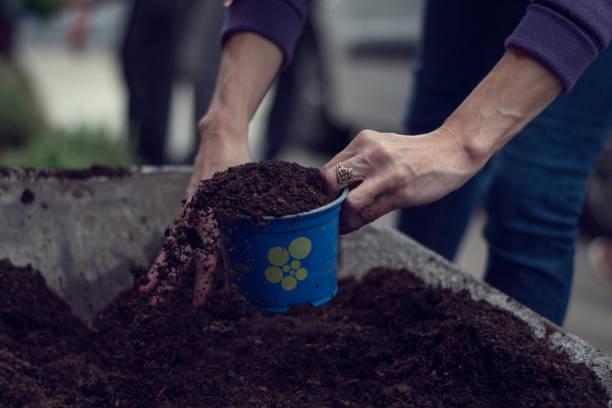
Composting can be a useful way to deal with everyday kitchen scraps while creating something beneficial for the garden. For people who want to compost without dealing with a large traditional pile, a compact system can make the process easier to manage.
A Subpod compost system is designed to combine composting with a garden bed, making it possible to process organic waste while growing plants above or around the composting area. For beginners who are also interested in worm composting, Memes Worms is one option to explore when looking for suitable composting worms and related supplies.
What Is a Subpod Compost System?
Subpod is an in-ground composting system that sits beneath a garden bed. Food scraps are added to the composting chamber, where microorganisms and, depending on the setup, composting worms help break down the organic material.
The system is designed to make use of the space beneath a garden bed rather than requiring a separate compost pile.
This can be especially useful for people with smaller gardens who want to combine composting and growing plants in the same area.
How Does Subpod Composting Work?
The basic process is fairly straightforward.
Kitchen scraps and other suitable organic materials are placed into the composting chamber. Airflow helps support the decomposition process, while worms and microorganisms gradually break down the material.
As the organic matter decomposes, nutrients become available to the surrounding soil. The garden bed above can benefit from the composting activity underneath.
This creates a connection between food waste management and gardening without requiring a traditional standalone compost pile.
What Can You Put Into a Subpod?
A Subpod can handle many common types of organic kitchen waste.
Suitable materials can include:
-
Fruit and vegetable scraps
-
Vegetable peels
-
Coffee grounds
-
Tea leaves
-
Crushed eggshells
-
Small amounts of garden waste
-
Plant-based food leftovers
It is better to add food gradually rather than filling the system with a large amount at once.
Avoid adding large amounts of meat, dairy, oily food, or heavily processed leftovers, as these can create odors and attract unwanted pests.
Can You Use Worms With Subpod Compost?
Worms can be used as part of a suitable Subpod setup. Composting worms help consume organic material and produce worm castings as they work through the food.
Red wigglers are commonly used for this type of composting because they are comfortable in organic-rich environments.
However, worms should not simply be added without considering the conditions inside the system. Temperature, moisture, food quantity, and airflow all affect how well they perform.
What Are the Benefits of Subpod Compost?
One of the main benefits is that the composting area does not require a large amount of additional space.
Other potential benefits include:
-
Convenient food-scrap recycling
-
A compact composting setup
-
Integration with a garden bed
-
Reduced household organic waste
-
Production of nutrient-rich composting material
-
Less need for a traditional compost pile
For gardeners who already have a raised bed, combining the two systems can make good use of available space.
Is Subpod Compost Good for Small Gardens?
A Subpod can be useful in smaller gardens because the composting chamber is placed beneath the growing area.
Instead of setting aside a separate part of the garden for a compost pile, the system allows composting to happen underneath the garden bed.
However, the available space, climate, type of plants, and amount of food waste should all be considered before choosing this type of system.
How Do You Maintain a Subpod?
Like other composting systems, a Subpod needs a reasonable balance of organic material, moisture, and airflow.
Do not overload it with food scraps. If too much material is added at once, decomposition can slow down and unwanted odors may develop.
Check the moisture level regularly. The composting material should generally remain moist but not completely saturated.
Adding dry carbon-rich materials when needed can also help maintain balance.
What Should You Do If It Smells?
A strong unpleasant smell usually means something is out of balance.
Common causes include:
-
Too much food waste
-
Excess moisture
-
Poor airflow
-
Too little dry bedding or carbon material
-
Large amounts of food added at once
If this happens, reduce the amount of new food being added and add suitable dry material. Improving airflow can also help.
Can You Use Subpod Compost in an Apartment?
Subpod is primarily designed around garden-bed composting, so it is more suitable for people with access to an outdoor growing area.
If you live in an apartment without a garden bed, a small worm bin or indoor composting system may be more practical.
For apartment residents, choosing a system based on the available space is important. A compact indoor bin can be easier to maintain than trying to adapt an outdoor-style composting system.
How Long Does Subpod Compost Take?
There is no fixed timeline because decomposition depends on several factors.
Temperature, moisture, food type, airflow, and the number of worms or microorganisms all influence the process.
Smaller pieces of food generally break down faster than large pieces. Keeping the system balanced and avoiding overfeeding can also help the process move along.
Rather than focusing only on a specific number of days, it is better to watch how the material changes over time.
Where Can You Get Composting Worms?
If you decide to include worms in your composting setup, it is important to choose a species suited to composting rather than simply collecting worms from the garden.
Local gardening stores and specialist worm suppliers can be useful sources. Memes Worms is another option for finding composting worms and worm-related supplies if you are setting up or maintaining a worm composting system.
The quality of the worms and bedding can make a difference when establishing a new setup, so it is worth choosing materials that are appropriate for composting.
Is Subpod Compost Worth Considering?
For gardeners who want to combine food-waste recycling with growing plants, a Subpod can be an interesting approach.
Its main advantage is the way the composting chamber works alongside the garden bed. It can save space and make kitchen-scrap recycling part of the gardening process.
It is not necessarily the right option for everyone, though. People without outdoor garden space may find a traditional worm bin or another compact composting method easier to manage.
Conclusion
Subpod composting offers a different approach to dealing with kitchen waste by placing the composting system directly beneath a garden bed. With suitable food scraps, moisture, airflow, and regular maintenance, it can become a useful part of a home gardening setup.
For beginners, the most important thing is to start slowly and learn how the system responds to different materials. Whether you use worms or rely mainly on natural decomposition, keeping the compost balanced will help the process work more smoothly.
FAQ
What is Subpod compost?
Subpod is an in-ground composting system designed to work underneath a garden bed. It allows organic waste to decompose while plants are grown above it.
Can you put worms in a Subpod?
Yes, suitable composting worms can be used in a Subpod setup when the temperature, moisture, and food conditions are appropriate.
What food scraps can go into a Subpod?
Fruit and vegetable scraps, coffee grounds, tea leaves, crushed eggshells, and other suitable plant-based organic materials can generally be added.
Does Subpod compost smell?
A properly maintained system should not have a strong unpleasant smell. Odors can develop when there is too much food, excess moisture, or insufficient airflow.
Is Subpod suitable for beginners?
It can be, especially for beginners who already have a garden bed and want to combine gardening with composting. Starting with small amounts of food waste makes the system easier to understand and manage.

 Arabic
 French
 Spanish
 Portuguese
 Deutsch
 Turkish
 Dutch
Dutch
 Italiano
 Russian
 Romaian
 Portuguese (Brazil)
 Greek
Greek