


How International Academic Experiences Develop Skills Beyond the Classroom
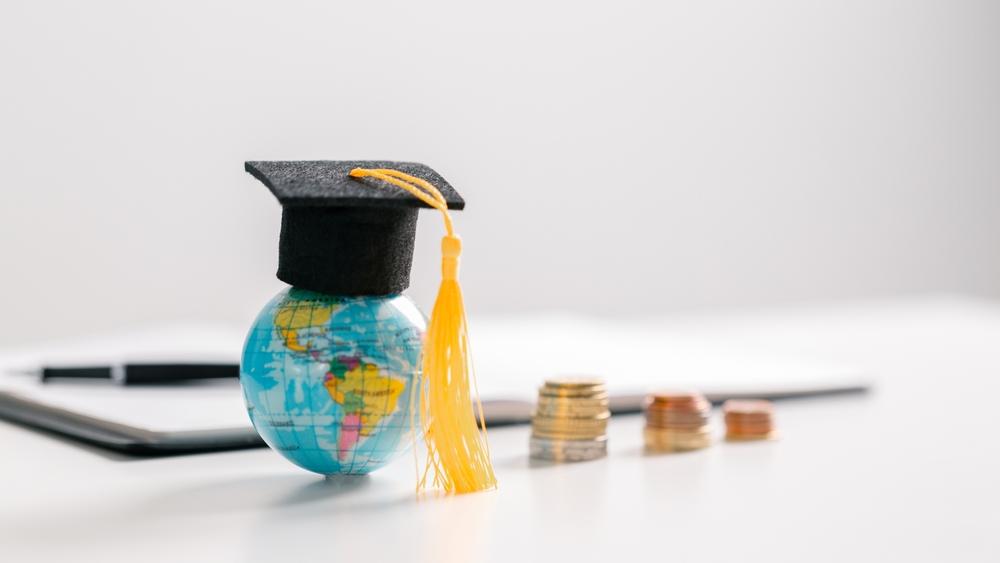
International education has changed. Students no longer travel abroad just to collect a certificate or add a line to their resume. They travel to grow. A short course, a semester abroad, or even a few weeks in a new country can shape how a person thinks, communicates, and solves problems for the rest of their life. This guide breaks down exactly how that happens, using easy language and real examples so you can see the full picture.
What Makes International Learning Different From Regular Classroom Study
Sitting in a classroom teaches facts. Sitting in a classroom in a foreign country teaches facts and life. The difference lies in exposure. Students face new food, new rules, new accents, and new ways of teaching. Every one of these small challenges builds a skill that a textbook cannot teach.
Programs such as an english summer course push learners into daily situations where they must think and react in a second language. This is very different from memorizing vocabulary lists at home. When a student orders food, asks for directions, or joins a group discussion, the brain is working overtime, and that repeated effort builds real fluency and confidence far faster than passive study.
Why Short-Term Programs Still Create Long-Term Change
Some people assume that only a full year abroad brings real growth. That is not true. Even a two- or four-week program can create lasting change because the brain adapts quickly to unfamiliar environments. Researchers in educational psychology often describe this as "accelerated learning through discomfort," where mild stress from a new setting sharpens focus and memory.
Personal Growth Skills Gained Through International Study
Independence and Self-Reliance
Living away from home, even briefly, forces students to manage their own schedule, meals, laundry, and travel. There is no parent to remind them of deadlines or appointments. This single change builds independence faster than years of normal school life.
Adaptability in New Environments
Weather, food, transport, and teaching styles all differ from one country to another. Students who study abroad learn to adjust quickly without panicking. This adaptability later helps in university group projects, first jobs, and even personal relationships, because change stops feeling threatening and starts feeling normal.
Confidence Through Small Wins
Every time a student solves a problem alone in a foreign country, confidence grows. Buying a train ticket in another language, finding a lost bag, or asking a stranger for help are small wins that add up to a strong sense of self-belief.
Intercultural and Global Skills
Cross-Cultural Communication
Talking to people from different backgrounds teaches students to choose words carefully, listen actively, and avoid assumptions. This skill, often called intercultural competence, is one of the most requested soft skills by global employers today.
Global Mindset and Reduced Bias
Meeting people from different religions, countries, and lifestyles breaks down stereotypes naturally. Students stop seeing the world through one lens and start understanding that there are many valid ways to live, think, and work.
Language Acquisition as a Cognitive Tool
Learning a new language is not just about speaking. It rewires how the brain processes information, improves memory, and even boosts problem-solving speed. This is one reason structured programs, including an english summer course, are so valuable — they combine language learning with real cultural immersion instead of classroom theory alone.
Career-Focused Skills That Employers Actually Want
Leadership and Teamwork Across Cultures
Group work abroad usually mixes students from different countries. Leading or contributing to such a team teaches patience, clear communication, and flexible leadership styles that work with different cultural expectations.
Specialized Academic Exposure
Some fields need more than general exposure; they need focused, hands-on academic training. For students planning a career in healthcare, a medicine summer school offers direct exposure to real clinical thinking, lab work, and case studies long before university begins. This kind of early academic exposure builds subject confidence and helps students make informed career choices.
Professional Networking on a Global Scale
Friendships formed during international study often turn into professional connections years later. A classmate today could be a colleague, business partner, or reference on the other side of the world tomorrow.
How Early Specialization Programs Add Extra Value
Programs like a medicine summer school do more than teach content. They simulate real academic pressure, teamwork under deadlines, and critical thinking in a specialized field. Students who complete these programs often enter university with sharper analytical skills and a clearer sense of direction.
Cognitive and Academic Skills Beyond Grades
Critical Thinking Through Comparison
Studying under a different education system naturally invites comparison. Why does this country teach math differently? Why is class participation graded here but not at home? This constant questioning builds critical thinking skills that stay with students long after the program ends.
Problem-Solving in Uncertain Situations
International settings are full of small uncertainties — missed trains, unfamiliar menus, different classroom rules. Handling these situations without a safety net builds a problem-solving muscle that classroom-only students rarely develop at the same pace.
Practical Life Skills From Living Abroad
Budgeting and Financial Planning
Managing money in a foreign currency, tracking daily expenses, and planning for unexpected costs teaches real financial literacy. This is a skill many students never fully practice until they are forced to abroad.
Navigating New Systems
From transport passes to healthcare visits, students learn to research, ask questions, and solve administrative problems independently. This kind of practical navigation skill translates directly into adult life responsibilities.
Emotional Intelligence and Psychological Growth
Being away from familiar comfort naturally tests emotional strength. Students learn to manage homesickness, loneliness, and stress in healthy ways. Over time, this builds emotional intelligence — the ability to understand and manage one's own emotions while also reading the emotions of others. This single skill supports better relationships, better teamwork, and better mental health for years to come.
How to Get the Most Value From an International Academic Experience
-
Join local clubs or activities instead of only spending time with people from your own country.
-
Keep a simple journal of challenges and how you solved them.
-
Ask questions in class, even if the accent or teaching style feels unfamiliar.
-
Try to build at least one real friendship with a local student or resident.
-
Choose a program that matches your future goals, whether that is language fluency or subject-specific exposure.
Frequently Asked Questions
1. What skills do students gain most from studying abroad?
Independence, adaptability, cross-cultural communication, and confidence are the most commonly reported skills, along with stronger problem-solving under pressure.
2. Is a short program enough to build real skills, or do you need a full year abroad?
Short programs, including summer courses, can build meaningful skills because the brain adapts quickly to new environments. Consistency and active participation matter more than length alone.
3. How does studying abroad help with future career opportunities?
Employers value candidates who show adaptability, global awareness, and independent problem-solving. International study experience signals all three, along with language ability where relevant.
4. Do specialized programs like medical or academic summer courses actually help before university?
Yes. Early exposure to a specific academic field helps students build subject confidence, test their interest in a career path, and develop study habits suited to that field before formal studies begin.
5. What is the biggest personal change students notice after returning home?
Most students report increased self-confidence and a stronger ability to handle unfamiliar or stressful situations calmly, both of which carry into university life and future careers.
Final Thoughts
International academic experiences do far more than fill a resume line. They shape how a person thinks, communicates, and handles the unexpected. Whether through a focused english summer course, a specialized medicine summer school, or a longer exchange program, the skills built abroad are practical, lasting, and valued in almost every part of life — academic, professional, and personal.

 Arabic
 French
 Spanish
 Portuguese
 Deutsch
 Turkish
 Dutch
Dutch
 Italiano
 Russian
 Romaian
 Portuguese (Brazil)
 Greek
Greek