


Professional Painting Contractor in Sioux Falls, SD
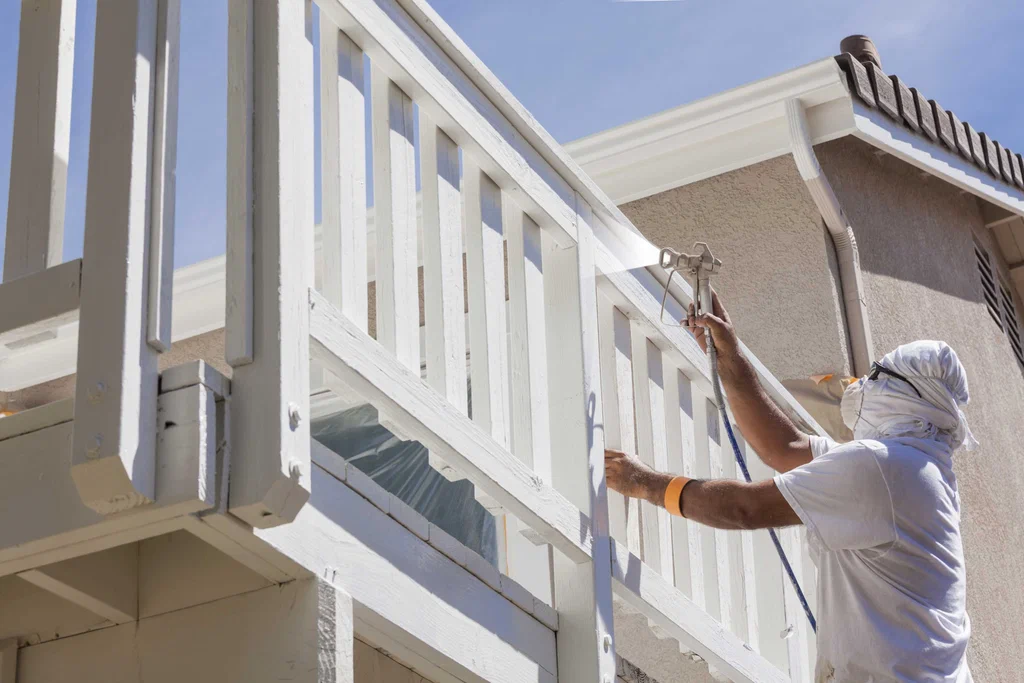
A painting project can look straightforward until the condition of the walls, trim, ceilings, or exterior surfaces becomes apparent. Uneven drywall, peeling coatings, stains, old caulk, and poorly prepared surfaces can all affect the final result. For that reason, choosing a painting professional should involve more than comparing hourly rates or the total price on an estimate.
Property owners in Sioux Falls can make better decisions by understanding what quality painting work involves, how preparation affects durability, and what questions should be answered before a project begins. The right approach can help prevent avoidable repairs, inconsistent finishes, and unexpected costs.
What Professional Painting Work Involves
A properly planned painting project starts with an assessment of the surfaces rather than immediately applying paint. Walls, ceilings, trim, siding, doors, and other substrates may have different requirements.
Interior projects commonly involve several stages:
-
Protecting floors, furniture, fixtures, and adjacent surfaces
-
Cleaning areas that have accumulated dust, grease, or residue
-
Repairing holes, cracks, dents, and damaged drywall
-
Sanding rough or uneven areas
-
Caulking appropriate gaps around trim and other joints
-
Applying primer where the surface requires it
-
Applying finish coats consistently
-
Inspecting the completed work and addressing necessary touch-ups
Exterior painting can require additional preparation. Peeling coatings may need to be removed, deteriorated areas may need repair, and gaps around windows or trim may require suitable exterior caulking.
The amount of preparation depends on the property's existing condition. A recently finished wall may need relatively little preparation, while an older surface with multiple layers of paint and visible damage may require considerably more work.
Why Surface Preparation Should Come First
Paint does not correct every underlying surface problem. In fact, applying a new coating over a damaged or contaminated surface can make defects more noticeable or contribute to premature failure.
Drywall repair is a good example. Small nail holes may require simple patching, while larger damage can involve joint compound, tape, sanding, and additional preparation. The repaired area must be sufficiently smooth before paint is applied, otherwise the patch may remain visible under certain lighting.
Cleaning also matters. Kitchens and other high-use areas can contain grease and residue that interfere with adhesion. Dust left on a wall can create texture beneath the new coating.
Preparation may also include scraping loose paint, sanding glossy surfaces, replacing deteriorated caulk, or spot-priming stains. These steps can take time, but they contribute directly to the appearance of the finished surface.
Selecting the Right Paint and Finish
Paint selection should be based on the room, surface, desired appearance, and level of use. Different finishes have different visual and practical characteristics.
Flat paint has very little sheen and can help minimize the appearance of minor surface irregularities. It is often considered for ceilings and lower-traffic areas.
Eggshell provides a subtle sheen and is commonly used for many residential walls. Satin has more sheen and is generally easier to clean, making it useful in areas exposed to more activity.
Semi-gloss creates a harder, more reflective surface and is frequently considered for trim, doors, kitchens, bathrooms, and other areas where regular cleaning is expected.
The color itself is only part of the decision. Existing wall color, natural and artificial lighting, room size, furnishings, and the desired atmosphere can all influence how a particular shade appears after application.
Primer is another consideration. New drywall, significant color changes, stains, bare substrates, or certain adhesion problems may call for a primer. However, not every repaint automatically requires a separate full primer coat. The appropriate approach depends on the surface and the coating system being used.
How to Compare Painting Estimates
Price is an important consideration, but comparing totals without examining the scope can be misleading. Two estimates may have very different assumptions about preparation and materials.
Before choosing a provider, property owners should check whether the estimate explains:
-
Which rooms or exterior surfaces are included
-
Whether ceilings and trim are included
-
What surface preparation will be performed
-
Whether drywall repairs are included
-
Which primer and paint products are proposed
-
How many finish coats are expected
-
What areas will be protected during the work
-
Whether cleanup is included
-
How additional repairs will be handled if unexpected problems appear
A detailed written estimate gives the property owner a clearer understanding of what is actually being purchased.
A very low estimate is not necessarily a bargain if important preparation or repair work has been left out. Conversely, a higher estimate may reflect a more extensive scope rather than simply a higher labor rate. Comparing the details makes the difference easier to understand.
Questions Worth Asking Before Hiring
A short conversation before work begins can reveal how thoroughly a painting professional approaches a project.
Useful questions include:
-
What condition do the existing surfaces need to be in before painting?
-
Which repairs are included in the estimate?
-
Will damaged drywall be repaired before painting?
-
What type of finish is recommended for each room?
-
How will furniture, flooring, fixtures, and landscaping be protected?
-
Who will perform the painting work?
-
How will changes to the project scope be approved?
-
What preparation is required before exterior painting?
-
How will the finished work be inspected?
-
What cleanup is included after the project?
Clear answers are generally more useful than broad promises about quality. A professional should be able to explain the proposed process in practical terms.
Interior Painting Requires Attention to Detail
Interior painting affects more than the large wall surfaces. Trim, doors, ceilings, baseboards, and transitions between different colors can strongly influence the finished appearance.
Straight edges are particularly noticeable around windows, doors, ceilings, and contrasting wall colors. Drips, excessive brush marks, roller splatter, and inconsistent coverage can also become apparent after the paint has dried.
Lighting can reveal imperfections that are difficult to see during application. A wall may look uniform from one angle but show uneven texture or missed areas when daylight or overhead lighting changes.
For that reason, a final inspection should be part of the project. Touch-ups are easier to identify and address before furniture and household items are returned to their normal positions.
Exterior Painting and Property Maintenance
Exterior surfaces face conditions that interior walls do not. Sun exposure, moisture, temperature changes, and general weathering can affect coatings and the materials underneath them.
Preparation is especially important if existing paint is peeling or failing. Simply covering deteriorated paint with a new coating may produce a short-lived result because the new layer remains dependent on the unstable surface beneath it.
Wood siding, trim, doors, and other exterior materials may require different preparation techniques. Areas with damaged caulking should also be examined because gaps can allow moisture to reach vulnerable parts of the building.
For commercial properties, scheduling and site coordination can add another layer of complexity. Painting may need to be organized around tenants, customers, employees, equipment, or other ongoing activities.
Local providers such as Golden Standard Painting & Drywall may be among the companies property owners consider when researching painting and drywall services in the Sioux Falls area. As with any provider, the most useful evaluation comes from reviewing the actual scope of work, preparation standards, materials, and project expectations.
Signs of Quality After the Job Is Finished
A finished painting project should be evaluated under normal lighting and from different viewing angles. Consistent color and coverage are obvious starting points, but smaller details matter as well.
Look for clean transitions around trim and adjoining surfaces, smooth repaired areas, properly covered edges, and the absence of visible drips or heavy buildup.
If drywall repairs were performed, the repaired areas should blend naturally into the surrounding surface. Significant differences in texture can become particularly noticeable when light hits the wall from the side.
The property should also be left in an orderly condition. Paint materials, protective coverings, debris, and other project-related items should be removed according to the agreed scope.
Making a Better Hiring Decision
The best painting choice is not necessarily the company offering the lowest estimate. A more useful comparison considers preparation, materials, workmanship, communication, and the completeness of the proposed scope.
Property owners can reduce uncertainty by requesting written estimates, asking about surface preparation, clarifying which repairs are included, and discussing the desired finishes before work starts.
A good painting project is built on preparation. When the substrate is properly addressed, suitable materials are selected, and the application is handled carefully, the finished surfaces have a much better chance of looking consistent and performing as expected.
For Sioux Falls homeowners and property managers, taking time to evaluate those details can make the difference between simply repainting a property and completing a well-planned improvement that holds up to everyday use.
FAQs
1. How should I prepare my home before interior painting?
Remove small decorative items and personal belongings from the work areas, and provide clear access to walls, trim, and other surfaces. Larger furniture may need to be moved or covered. The painting professional should clarify what preparation is expected from the property owner and what protection is included in the project.
2. Is primer necessary for every painting project?
No. Primer is particularly useful for new drywall, bare surfaces, stains, significant color changes, or adhesion concerns, but an existing surface in good condition may not require a separate primer coat. The appropriate choice depends on the substrate, existing coating, and new paint system.
3. What is the best way to compare two painting companies?
Compare the scope of work rather than the price alone. Review preparation, drywall repairs, primer, paint products, number of coats, trim and ceiling work, surface protection, cleanup, scheduling, and exclusions. A detailed estimate makes it easier to determine whether two proposals are genuinely offering the same level of work.
Conclusion
A successful painting project depends on more than selecting an attractive color. Surface condition, preparation, materials, application techniques, and careful finishing all influence the final result.
Before hiring a painting professional, property owners should look closely at the proposed scope, ask practical questions, and understand which preparation and repair tasks are included. That approach makes pricing easier to compare and helps set realistic expectations for the finished property.

 English
 Arabic
 French
 Spanish
 Deutsch
 Turkish
 Dutch
Dutch
 Italiano
 Russian
 Romaian
 Portuguese (Brazil)
 Greek
Greek