


Most Comfortable Crutches: A Simple Guide to Choosing the Right Pair
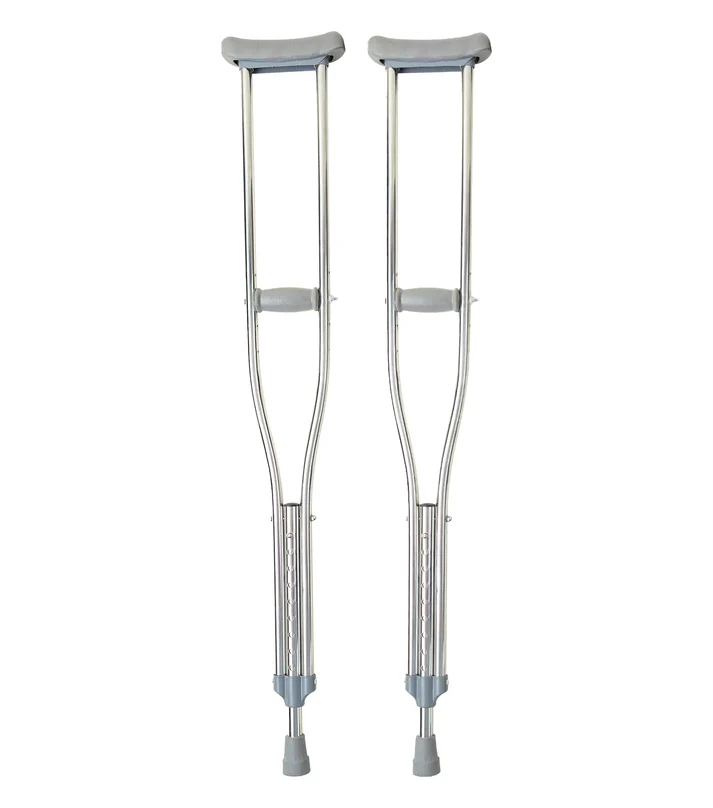
Using crutches can be an important part of recovering from an injury, surgery, or another condition that temporarily affects your ability to walk. However, spending several hours a day on uncomfortable crutches can make mobility more difficult. Choosing the most comfortable crutches can help make everyday movement easier while providing the support you need.
Comfort depends on more than just padding. The right height, handgrip, weight, balance, and overall design can all affect how crutches feel during regular use.
Why Comfortable Crutches Matter
Crutches are designed to help take pressure off an injured or weakened leg while allowing you to remain mobile. If they do not fit properly, however, they may place unnecessary stress on your hands, wrists, shoulders, or back.
A comfortable pair should feel stable and manageable while allowing you to move with confidence. Proper adjustment is especially important when crutches are being used for an extended period.
Features to Look For
When comparing crutches, consider the following features.
Adjustable Height
Height adjustment allows crutches to be better suited to your body. Properly positioned crutches can help you maintain a more natural posture and reduce unnecessary strain.
The adjustment should be made according to the manufacturer's instructions and, when appropriate, with guidance from a healthcare professional.
Comfortable Handgrips
Your hands can experience considerable pressure while using crutches. Ergonomically shaped or cushioned handgrips may help make the experience more comfortable.
A good grip should also provide enough traction to help you maintain control without constantly repositioning your hands.
Lightweight Design
Lightweight crutches are generally easier to lift and reposition. This can be particularly useful when moving around the home, navigating stairs, or getting in and out of a chair.
A lighter design can also make repeated use less tiring.
Supportive Padding
Padding can improve comfort at contact points. Underarm crutches commonly include padding around the upper support and handgrips.
Remember that proper technique is important. With underarm crutches, users generally should not place their full body weight directly through the armpits.
Reliable Rubber Tips
The bottom tips provide contact with the walking surface. Durable, properly maintained rubber tips can help provide traction on suitable surfaces.
Inspect the tips regularly and replace them when they become worn or damaged.
Types of Crutches to Consider
The most comfortable option can vary from person to person.
Underarm Crutches
Underarm crutches are widely used for short-term mobility assistance. They usually feature adjustable height settings and padded upper supports.
They can be appropriate for certain recovery situations when recommended by a healthcare professional.
Forearm Crutches
Forearm crutches use cuffs around the forearms instead of relying primarily on an underarm support. They can offer a different walking experience and may be considered for longer-term mobility needs.
Platform Crutches
Platform crutches provide additional support through the forearm. They may be useful for people who cannot comfortably place weight through their hands or wrists.
The best option depends on your individual mobility needs.
How to Find the Most Comfortable Crutches
Before choosing a pair, think about how and where you will use them.
Consider your height: Adjustable crutches can provide a better fit.
Think about daily use: If you will use them frequently, comfort and weight become especially important.
Check the grips: Make sure the handgrips feel secure and comfortable.
Look at the tips: Stable, durable tips are important for maintaining contact with the floor.
Consider your mobility needs: Your ideal crutch type may differ depending on your injury, strength, balance, and recovery plan.
Ask for professional guidance: A physical therapist or healthcare provider can help you learn proper crutch positioning and walking technique.
Tips for More Comfortable Crutch Use
Even well-designed crutches can become uncomfortable when used incorrectly. Keep your posture as upright as possible and avoid leaning heavily on the underarm supports.
Move slowly when you are first getting accustomed to crutches. Take controlled steps and pay attention to your surroundings, especially on wet or uneven surfaces.
Keep frequently used items within easy reach at home to reduce unnecessary trips while you are recovering. If you need to use stairs, follow the technique recommended by your healthcare professional.
Most importantly, follow any weight-bearing restrictions or instructions provided by your medical team.
SNUG360 and Everyday Mobility Support
SNUG360 is a home healthcare and medical support brand offering practical essentials for comfort, mobility, recovery, and everyday wellness. Its range includes mobility support, compression wear, braces, maternity support, grip socks, calf sleeves, and abdominal support.
For people looking for everyday mobility essentials, choosing supportive and properly fitted equipment can make daily activities more manageable during periods of limited mobility.
Final Thoughts
The most comfortable crutches are the ones that fit your body, suit your mobility needs, and are easy to control. Adjustable height, comfortable grips, manageable weight, supportive padding, and durable tips can all contribute to a better experience.
Rather than choosing crutches based only on appearance or price, consider how they will fit into your everyday routine. Proper adjustment and correct walking technique are just as important as the design itself. With the right support and professional guidance when needed, crutches can help make mobility during recovery more manageable.

 English
 Arabic
 French
 Spanish
 Portuguese
 Deutsch
 Turkish
 Dutch
Dutch
 Italiano
 Russian
 Romaian
 Portuguese (Brazil)