


Dermal Fillers London: How Are Treatment Areas Selected During Consultation?
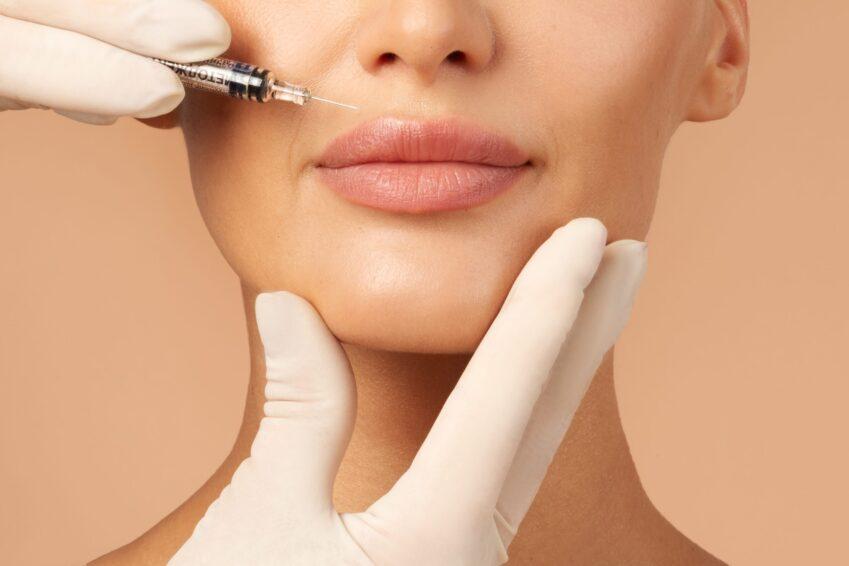
Dermal filler treatments are often chosen by people who want to enhance facial features, restore volume or create a more balanced appearance without changing their natural identity. However, achieving a harmonious result involves more than deciding where to place a filler. A thorough consultation helps determine which areas may benefit from treatment, how different facial features relate to one another and what approach best reflects the individual's preferences.
At Bodyvie Clinic, treatment planning should begin with an understanding of each person's facial structure, aesthetic goals and expectations. Some people may be interested in enhancing their lips, while others may want to improve the appearance of their cheeks, chin or jawline. The most appropriate treatment areas depend on individual facial characteristics rather than a standard approach applied to everyone.
For anyone considering Dermal Fillers in London, understanding how treatment areas are selected during consultation can make the process clearer and help them participate confidently in decisions about their aesthetic care.
Why Is Consultation Important Before Dermal Filler Treatment?
A consultation provides an opportunity to discuss the changes a person would like to achieve and explore how dermal fillers might fit those goals. Rather than immediately selecting an injection site, the practitioner considers the face as a whole and identifies the features that are most relevant to the individual's concerns.
For example, someone who feels that their cheeks appear less defined may initially focus on cheek enhancement. During consultation, the practitioner may also assess the relationship between the cheeks, temples, chin and lower face to understand the overall distribution of facial volume.
This broader perspective helps ensure that treatment decisions are based on facial harmony rather than isolated features. It also allows the practitioner to explain realistic outcomes and clarify which concerns may be addressed with fillers and which may require a different approach.
Consultation is also a two-way conversation. Patients can explain their preferences, ask questions and discuss how subtle or noticeable they would like any changes to be. These details contribute to a personalised treatment plan.
How Are Individual Facial Features Assessed?
Facial assessment is an important part of choosing suitable treatment areas. The practitioner examines the proportions, contours and natural characteristics of the face to understand how its features work together.
Facial Proportions and Overall Balance
The relationship between different facial areas can influence how balanced the face appears. The upper, middle and lower portions of the face are considered alongside features such as the cheekbones, lips and chin.
For instance, a person interested in chin enhancement may benefit from discussing how the chin relates to the nose, lips and jawline. The purpose is not to make every feature conform to a fixed measurement but to understand the individual's natural proportions.
This assessment helps the practitioner identify whether a specific area is the main focus or whether the concern relates to the overall relationship between several features.
Natural Facial Shape
Faces vary in shape, including oval, round, square, heart-shaped and more elongated forms. These characteristics can influence how additional volume or contour definition may affect the overall appearance.
A person with a naturally narrow face may have different aesthetic priorities from someone with a broader facial structure. Similarly, someone who already has prominent cheekbones may require a different discussion from someone seeking greater cheek definition.
Understanding the natural facial shape helps guide decisions towards a result that complements existing features rather than creating unnecessary changes.
Symmetry and Individual Differences
Although facial symmetry is often discussed in aesthetic treatments, perfect symmetry is not a realistic requirement. Small differences between the two sides of the face are common and contribute to individual appearance.
During consultation, the practitioner may assess whether an asymmetry is noticeable to the patient and whether it is an appropriate concern to address. The aim is to understand these differences in context rather than automatically treating both sides identically.
Any proposed treatment should reflect the patient's priorities and the practitioner's assessment of what is achievable.
How Are Specific Dermal Filler Treatment Areas Selected?
Different areas of the face have different aesthetic characteristics. Treatment planning therefore considers the purpose of the proposed enhancement, the existing facial structure and the patient's expectations.
Lip Enhancement and Definition
Lip fillers may be considered by people who want to enhance lip volume, improve definition or create a more balanced relationship between the upper and lower lips.
During consultation, the practitioner evaluates the natural lip shape, existing volume, border definition and relationship between the lips and surrounding facial features. The patient's preferred appearance is also important. Some people want a subtle enhancement, while others are more interested in visible volume.
The consultation should establish which changes are realistic and whether the desired result suits the person's natural features. Lip enhancement is not simply about adding volume; proportion, shape and definition also influence the final appearance.
Cheek Enhancement and Midface Contour
The cheeks play an important role in facial structure and the appearance of the middle face. Some individuals seek greater cheek definition, while others want to address changes in facial volume or contour.
The practitioner may assess cheekbone prominence, the distribution of soft tissue and the relationship between the midface and lower face. Facial appearance from different angles can also help inform the discussion.
The objective is to determine whether cheek treatment could support the person's aesthetic goals without making the face appear disproportionately full. The proposed approach should be based on the individual's anatomy and desired outcome.
Chin Enhancement and Profile Balance
The chin contributes to the appearance of the lower face and its relationship with the nose, lips and jawline. People may consider chin fillers when they want greater definition or a different-looking facial profile.
During assessment, the practitioner considers the chin's projection, shape and proportions in relation to neighbouring features. The person's concerns may relate to the front view, side profile or overall lower-face definition.
This discussion helps determine whether chin enhancement is appropriate and what type of change might be achievable. It also provides an opportunity to explain how altering one feature can influence the perception of other facial proportions.
Jawline Definition
Jawline fillers may be discussed by people who want a more defined lower-face contour. The selection of treatment areas depends on the existing jaw shape, chin proportions and the patient's preferred appearance.
The practitioner assesses the transition between the chin, jawline and surrounding facial tissues. They also consider whether the patient wants a subtle improvement in definition or a more structured-looking contour.
Not every person seeking jawline definition requires treatment across the entire jaw. A consultation helps identify the specific concern and whether a localised approach may be more suitable.
Other Facial Areas
Depending on the individual's concerns and the practitioner's assessment, other areas may also be discussed. These can include the temples or selected areas around the face where changes in volume affect the overall contour.
The suitability of any area depends on its anatomy, the intended outcome and the practitioner's clinical judgement. The consultation should explain why a particular area is being considered and what the proposed treatment is intended to achieve.
How Do Personal Aesthetic Goals Influence Treatment Planning?
Facial assessment provides important clinical information, but the patient's preferences remain central to the consultation. Two people with similar facial features may want very different outcomes.
One person may prefer minimal enhancement that preserves their existing appearance. Another may be interested in more noticeable cheek definition or improved lip shape. Neither preference should automatically determine a particular treatment area without considering individual suitability.
The practitioner should encourage an open discussion about the changes the patient hopes to see. It can be helpful to identify the main concern, explain what the patient would like to preserve and discuss any previous experiences with aesthetic treatments.
These conversations establish priorities and help prevent treatment planning from becoming focused on features the patient has not expressed an interest in changing.
For those exploring Fillers In London, a personalised consultation can clarify which areas are relevant to their goals and whether the proposed treatment is likely to provide the type of enhancement they want.
Why Is the Relationship Between Treatment Areas Important?
Facial features do not exist independently. Changes in one area can influence how surrounding features are perceived, which is why the practitioner considers the face as a connected structure.
For example, cheek definition may affect the visual balance of the middle face, while chin enhancement may influence the appearance of the lower-face profile. Lip proportions can also influence how the surrounding facial features are perceived.
This does not mean that multiple areas must be treated together. In many cases, the patient's main concern can be discussed on its own. The purpose of a broader facial assessment is to understand the potential effect of the proposed change and avoid making decisions in isolation.
A considered approach also allows the practitioner to explain when less treatment may be more appropriate. Selecting treatment areas carefully can help maintain a natural-looking result that complements the person's existing features.
What Happens During a Dermal Filler Consultation at Bodyvie Clinic?
A consultation generally involves several stages, although the precise process depends on the individual's needs and the clinic's assessment procedures.
First, the practitioner discusses the patient's reasons for considering fillers. This includes identifying the main area of concern, understanding the preferred outcome and clarifying any previous aesthetic treatments that may be relevant.
Next, the practitioner assesses the facial features connected with those concerns. This may involve looking at proportions, contours, natural asymmetry and facial appearance from different angles.
The practitioner then discusses possible treatment areas and explains the purpose of each proposed option. Patients should have the opportunity to ask questions about the expected changes, the proposed approach and whether their goals are realistic.
If treatment is considered appropriate, the practitioner can develop a plan based on the assessment and the patient's preferences. There should be no pressure to proceed immediately. Taking time to understand the recommendations can help patients make an informed decision.
People searching for a Dermal Fillers Clinic in London may find it useful to prioritise a consultation process that focuses on individual assessment, clear explanations and realistic aesthetic goals.
How Is a Personalised Treatment Plan Developed?
A personalised treatment plan brings together the clinical assessment, the patient's preferences and the practitioner's recommendations. It should explain which areas are being considered and why they are relevant to the desired outcome.
The plan may focus on one feature or discuss more than one area if there is a clear reason to consider them together. The practitioner should explain the intended effect of each proposed treatment rather than simply listing injection sites.
The discussion may also cover the type of filler being considered, the general treatment approach and the expected degree of change. Where appropriate, the practitioner can explain whether a staged approach would allow the outcome to be reviewed before further treatment is considered.
Importantly, the plan should remain flexible enough to reflect individual needs. A standard combination of treatment areas is not suitable for everyone, and more treatment does not necessarily mean a better result.
A clear, personalised plan helps ensure that the patient understands the reasoning behind the recommendations and can decide whether the proposed approach aligns with their expectations.
Conclusion
Selecting dermal filler treatment areas requires careful consideration of facial structure, natural proportions, individual concerns and personal aesthetic goals. Rather than focusing on isolated features, a thorough consultation examines how different areas relate to one another and identifies which changes may best support the desired outcome.
From lip enhancement and cheek definition to chin shaping and jawline contouring, each treatment area requires an individual assessment. The aim is to develop a plan that respects the person's natural appearance while addressing their specific priorities.
For anyone considering Dermal Fillers in London, a consultation at Bodyvie Clinic provides an opportunity to discuss aesthetic goals, understand possible treatment options and explore a personalised approach. Clear communication and realistic expectations help patients make informed decisions about the areas they may wish to enhance.
Frequently Asked Questions
How are dermal filler treatment areas selected during consultation?
Treatment areas are selected by considering facial proportions, natural contours, the patient's main concerns and their desired outcome. The practitioner assesses which areas may benefit from treatment and explains the reasoning behind the recommendations.
Can I choose which areas I want to treat with dermal fillers?
Yes, patients can explain which features they would like to enhance. However, the practitioner must also assess whether the proposed treatment is appropriate and whether the expected results are realistic.
Which facial areas can dermal fillers address?
Depending on individual suitability, dermal fillers may be considered for the lips, cheeks, chin, jawline and certain other facial areas. The appropriate options depend on the person's anatomy and aesthetic goals.
Are all facial areas treated during one consultation?
A consultation may cover several areas, but this does not mean they all need treatment. The practitioner and patient can prioritise the main concerns and discuss whether a single-area or broader treatment plan is appropriate.
How does facial symmetry influence filler treatment planning?
The practitioner considers natural differences between the two sides of the face and assesses whether they are relevant to the patient's concerns. Treatment decisions should be based on individual anatomy and realistic expectations rather than an assumption that perfect symmetry is necessary.
Can dermal fillers help create more balanced facial proportions?
Dermal fillers may help modify the appearance of selected features, which can influence perceived facial balance. Whether this is appropriate depends on the individual's structure, the area being considered and the intended result.
What should I discuss during a dermal filler consultation?
Patients should explain their main concerns, preferred appearance, previous aesthetic treatments and expectations. They can also ask about the proposed treatment areas, the type of filler being considered and the likely degree of change.
How do I choose a dermal filler clinic in London?
Look for a clinic that offers an individual consultation, a qualified and appropriately trained practitioner, clear explanations and a treatment plan based on your needs. You should feel comfortable asking questions and taking time to consider the recommendations.
Will the practitioner recommend treating more than one area?
The practitioner may discuss multiple areas if they are relevant to the patient's goals, but this is not always necessary. The treatment plan should focus on suitable options rather than automatically recommending several areas.
Do I need to decide on treatment during my first consultation?
No. You can use the consultation to understand the recommendations, ask questions and consider your options. Taking time to make an informed decision is an important part of personalised aesthetic care.

 English
 Arabic
 French
 Spanish
 Portuguese
 Deutsch
 Turkish
 Dutch
Dutch
 Italiano
 Romaian
 Portuguese (Brazil)
 Greek
Greek