


A Practical Guide to Selecting Chocolate Tempering Equipment
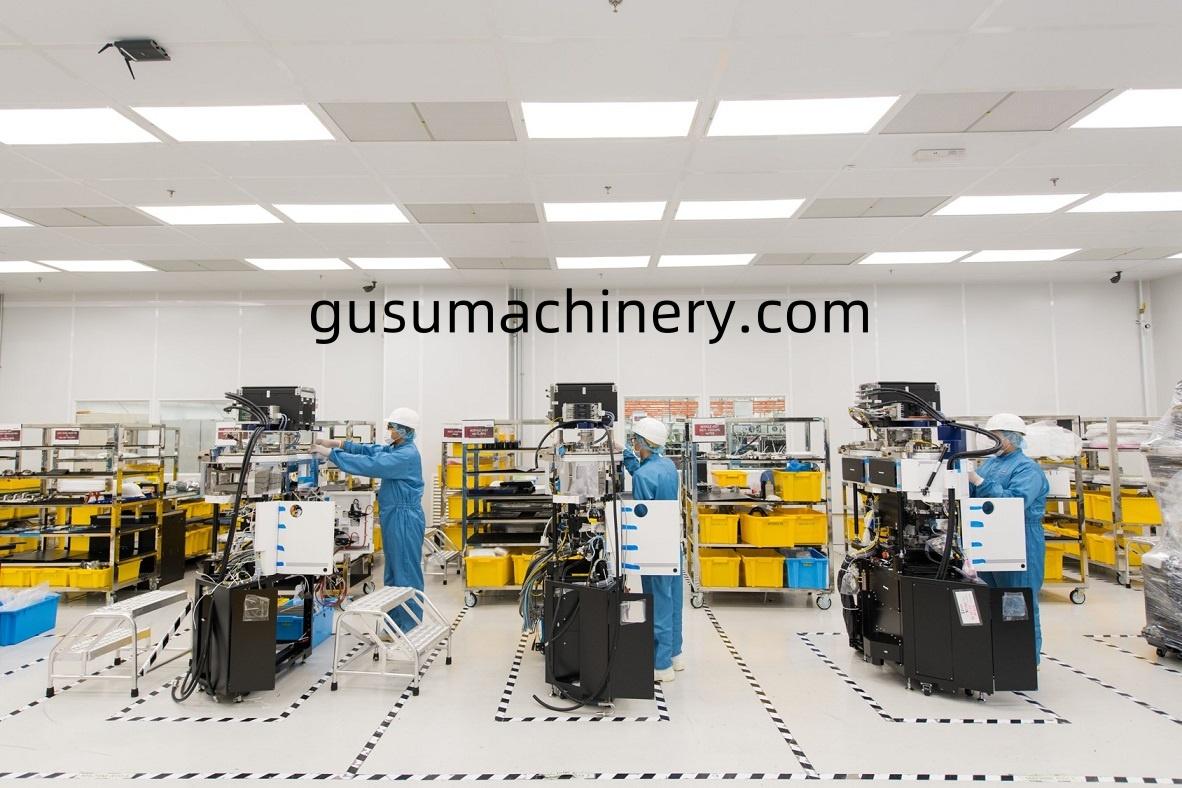
Producing chocolate with a smooth appearance and satisfying texture depends on how cocoa butter crystals develop during processing. In commercial confectionery production, a Chocolate Tempering Machine helps manage changes in chocolate temperature and movement so that the desired crystal structure can form more consistently. Its suitability depends on the chocolate formulation, production workflow, equipment construction, and the level of process control needed for the intended products.
Material selection is important because chocolate processing equipment must combine structural stability with practical hygiene. Stainless steel is commonly used for machine surfaces that come into contact with food because it is durable and can be cleaned using suitable procedures. Other components, such as seals, scrapers, mixing elements, and transfer parts, require materials appropriate for their functions. Buyers should consider how these components interact with chocolate and whether they remain accessible for inspection and routine maintenance.
The machine's internal arrangement influences how chocolate moves through the tempering process. Heating, cooling, and mixing elements need to work together so that the chocolate experiences controlled changes rather than abrupt or uneven temperature shifts. Effective circulation helps maintain a more consistent condition throughout the working material. When comparing equipment, manufacturers should ask how the system manages chocolate movement and whether its design suits the formulation and texture of the products they intend to make.
Purchasing decisions should begin with the planned application. Chocolate used for molded pieces may have different processing needs from chocolate intended for enrobing, dipping, decorative work, or other confectionery applications. Recipes can also differ in cocoa butter content, added fats, and ingredient composition, which may affect their behavior during tempering. Buyers should explain these differences to the equipment supplier before selecting a system, rather than assuming that one operating approach will suit every chocolate formulation.
Temperature control is central to the tempering process, but the equipment should be evaluated as a complete system. Sensors, control interfaces, heating elements, cooling arrangements, and mixing mechanisms all contribute to the way chocolate is handled. The ability to monitor changes and adjust the process can help operators respond to different formulations and production conditions. Clear control logic and suitable operating instructions are valuable because even well-designed machinery requires correct setup and consistent handling.
Mixing contributes to the distribution of heat and the movement of developing crystals within the chocolate. The mixing arrangement should support the intended process without introducing unnecessary handling difficulties. Poor coordination between movement and temperature management may contribute to inconsistent results, while a suitable design can help the chocolate remain workable during production. Buyers should ask how the equipment handles circulation, how operators monitor the material, and what adjustments are available for different product applications.
The finished chocolate's behavior provides useful feedback about the process. Depending on the formulation and application, manufacturers may evaluate surface gloss, texture, setting behavior, and the way the chocolate releases from molds. These characteristics are affected by ingredients and processing conditions as well as the equipment itself. Tempering machinery should therefore be assessed alongside recipe management and the procedures used by production staff, rather than treated as the only factor determining final quality.
Cleaning and maintenance influence how practical the machine is in daily operation. Chocolate can remain around mixing components, outlets, covers, and transfer connections after production. Accessible working areas and removable components, where appropriately designed, can simplify cleaning and inspection. Buyers should clarify the recommended cleaning methods and how the equipment should be prepared when switching between recipes. A well-organized design can reduce unnecessary complexity during routine sanitation and servicing.
Operator experience also matters. Controls should be easy to understand, important process information should be visible, and working areas should allow staff to observe the chocolate during processing. Operators may need to adjust the workflow when changing recipes or preparing for a different confectionery product. Clear documentation and training help staff recognize process variations and respond consistently, supporting more predictable operation across production shifts.
Safety and workspace organization should be considered during installation. Heated surfaces, moving parts, electrical systems, and cleaning activities may create risks if access and operating procedures are poorly planned. Suitable guarding, accessible emergency controls, and clear maintenance arrangements should be evaluated according to the machine design and applicable requirements. The equipment should also fit naturally into the production area without obstructing ingredient handling, nearby machinery, or routine cleaning activities.
Design and appearance contribute to practical integration. Smoothly finished surfaces, organized pipework, accessible panels, and a clearly arranged frame can make the equipment easier to inspect and maintain. A thoughtful layout can also help operators distinguish working areas and understand the path chocolate follows through the machine. These design decisions support a professional production environment while keeping hygiene, usability, and service access central to the equipment's construction.
Gusu Food Processing Machinery Suzhou Co., Ltd. develops machinery for chocolate processing and confectionery production. Businesses considering tempering equipment can discuss chocolate formulations, intended applications, process integration, cleaning procedures, and operator requirements with the company. Sharing information about the wider production workflow can help clarify how tempering should connect with molding, enrobing, or other downstream operations.
Chocolate tempering is closely connected to recipe development, production planning, and the handling methods used throughout a confectionery facility. Reviewing how the equipment fits these activities can help manufacturers plan a process that suits their products and working practices. Further information about chocolate processing machinery and related solutions from Gusu Food Processing Machinery Suzhou Co., Ltd. is available at https://www.gusumachinery.com/.

 Arabic
 French
 Spanish
 Portuguese
 Deutsch
 Turkish
 Dutch
 Italiano
 Russian
 Romaian
 Portuguese (Brazil)
 Greek