

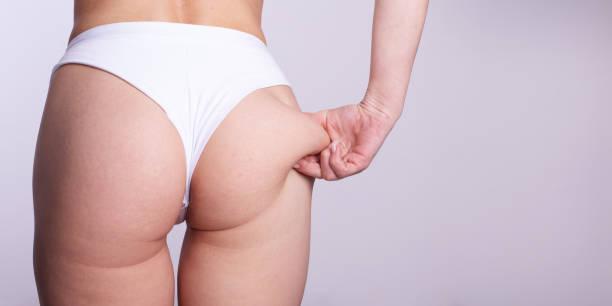
Swelling and bruising after a Brazilian Butt Lift aren't signs that something has gone wrong. They're the predictable result of surgery on tissue that's been reshaped and repositioned. Brazilian Butt Lift in Riyadh But how much you experience, and how long it lasts, is partly within your control. Certain habits genuinely reduce swelling and bruising, while others prolong them. If you've had a Brazilian Butt Lift in Riyadh, here's how to manage both safely and support your recovery.
Why Swelling and Bruising Happen
The Surgical Trauma Response
A BBL involves liposuction of donor areas and fat injection into the buttocks. The body responds by sending fluid and immune cells to the treated areas, which is the necessary first stage of healing.
Why Both Are Expected
Given that a BBL combines two surgical components across multiple areas of the body, swelling and bruising are essentially guaranteed. The question isn't whether they'll occur, but whether they're progressing as they should.
Why Swelling Persists
Fat transfer leaves space that the body fills with fluid before reabsorbing it. This process takes weeks, not days.
Why Bruising Varies
Bruising depends on the number of areas treated, volume transferred, medication use, and individual healing.
Managing Swelling
Wear Compression Garments as Directed
Compression reduces swelling by supporting tissue and limiting fluid accumulation. Consistency matters more than comfort.
Sleep on Your Stomach or Side
Back sleeping compresses the treated area and worsens swelling. Use pillows to maintain position.
Stay Hydrated
Water supports circulation and helps the body clear excess fluid.
Reduce Sodium
Salty foods worsen fluid retention. Avoid processed meats, canned soups, salty snacks, and fast food.
Walk Gently
Light movement supports circulation and reduces clot risk without stressing healing tissue.
Avoid Heat Exposure
Saunas, hot baths, and steam rooms increase blood flow and swelling.
Avoid Alcohol
Alcohol thins the blood, increases bruising, dehydrates, and prolongs swelling.
Don't Smoke
Smoking constricts blood vessels and impairs circulation, significantly slowing healing.
Use a BBL Pillow When Seated
Avoiding direct pressure protects fat survival and reduces localised swelling.
Managing Bruising
Cold Compresses
Apply cold packs wrapped in cloth for 10 to 15 minutes at a time during the first 48 hours. Never place ice directly on the skin.
Avoid Blood Thinners
Avoid aspirin and ibuprofen unless prescribed. Acetaminophen is generally preferred, but confirm with your surgeon.
Skip Alcohol
Alcohol thins the blood and increases bruising. Avoid it entirely during early recovery.
Pause Certain Supplements
Fish oil, vitamin E, ginkgo, and ginseng all increase bleeding risk. Discuss supplements with your practitioner before treatment.
Protect the Area
Avoid friction, pressure, and impact on bruised areas. Loose clothing helps.
Be Patient
Bruises fade on their own over two to three weeks.
The Swelling and Bruising Timeline
Days One to Three
Swelling and bruising peak. Rest, compression, and positioning matter most.
Days Four to Seven
Swelling begins reducing. Bruising transitions through colour stages.
Weeks Two to Three
Most visible swelling and bruising resolve. Incisions continue healing.
Weeks Four to Six
Residual swelling continues reducing. Most patients feel comfortable with daily activities.
Months Two to Three
Any remaining puffiness is minimal. Results look increasingly natural.
Beyond Three Months
Scars continue maturing, but swelling is largely resolved.
What Not to Do
Don't Apply Heat
Heat worsens swelling during early recovery.
Don't Skip Compression
Removing it for comfort often worsens swelling.
Don't Sleep on Your Back
Direct pressure on the treated area compromises fat survival.
Don't Massage Without Guidance
Unless your surgeon instructs otherwise, avoid massage.
Don't Ignore Worsening Symptoms
Sudden increases or localised firm swelling need assessment.
When Swelling or Bruising Needs Attention
Sudden Increase After Improvement
Swelling that improves and then suddenly worsens may indicate a seroma, infection, or other complication.
Localised Firm Swelling
Generalised swelling is expected. A single firm, tender, growing area is not.
Swelling With Fever
Fever above 101°F with swelling suggests infection and requires prompt assessment.
Spreading Redness or Warmth
Redness that spreads, feels hot, or is accompanied by increasing pain needs evaluation.
Rapidly Expanding Bruises
A bruise that grows significantly in hours may indicate active bleeding.
Signs of a Blood Clot
Swelling, warmth, redness, or pain in one limb, particularly with breathing difficulty, requires urgent care.
Practical Recovery Tips
Prepare Before Surgery
Stock supplies, set up your recovery area, and arrange help in advance.
Keep Essentials Within Reach
Medication, water, cold packs, and your BBL pillow should be accessible.
Use Extra Pillows
Support your body for comfortable stomach or side sleeping.
Accept Help
Recovery is temporary. Let others assist with tasks you shouldn't do.
Be Gentle With Yourself
Fatigue and emotional ups and downs are normal. Healing takes time.
Ask Questions
If anything about your recovery is unclear, contact your surgeon rather than guessing. People researching bbl in saudi arabia often overlook the importance of swelling management. A Brazilian Butt Lift in Riyadh consultation should include detailed guidance on managing swelling and bruising.
Book an Appointment Consultation Clinic
For those seeking expert guidance and customized aesthetic care, you can book an appointment consultation at the Enfield Royal Riyadh. A personalised consultation provides swelling and bruising management guidance tailored to your procedure.
FAQs
How long does swelling last after a BBL?
Swelling peaks within the first few days and gradually reduces over four to six weeks, with subtle swelling persisting for up to three months.
How long does bruising last after a BBL?
Most bruising fades within two to three weeks, progressing through colour stages as it heals.
What helps reduce swelling fastest?
Compression garments, stomach or side sleeping, hydration, reduced sodium, and gentle walking.
Can I use ice directly on my buttocks after a BBL?
No. Wrap cold packs in cloth and apply for 10 to 15 minutes at a time.
When should I worry about swelling or bruising?
Seek advice for sudden worsening, localised firm swelling, swelling with fever, or rapidly expanding bruises.

 English
 Arabic
 French
 Spanish
 Portuguese
 Deutsch
 Turkish
 Dutch
 Italiano
 Russian
 Romaian
 Greek