


Foods That Worsen Atherosclerosis (And What to Eat Instead)
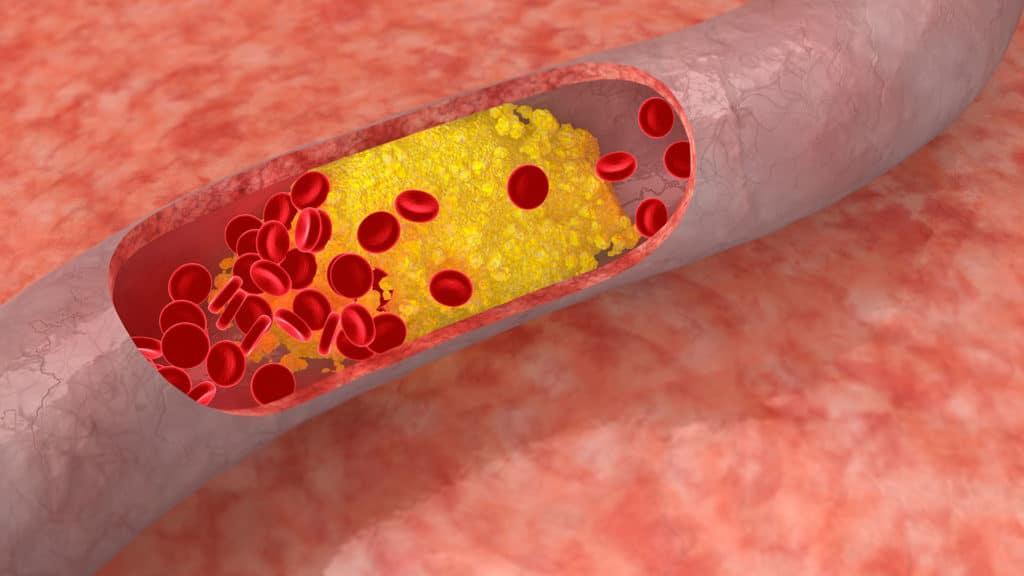
Atherosclerosis is a serious condition where plaque builds up in the arteries, restricting blood flow and increasing the risk of heart attack, stroke, and other cardiovascular problems. Diet plays a pivotal role in both the development and prevention of this condition. While some foods accelerate plaque formation and inflammation, others can help maintain healthy arteries. In this blog, we explore which foods worsen atherosclerosis, why they are harmful, and what you can eat instead to support cardiovascular health.
Understanding Atherosclerosis: How Diet Influences Artery Health
Atherosclerosis occurs when fatty deposits, cholesterol, and other substances accumulate along the walls of arteries, causing them to narrow and stiffen. Diet directly impacts this process. Consuming foods high in saturated fats, trans fats, and refined sugars accelerates plaque formation and triggers inflammation. Conversely, a diet rich in fiber, antioxidants, healthy fats, and plant-based nutrients can slow or even prevent arterial damage. Understanding the link between your diet and arterial health is essential for both prevention and management of atherosclerosis.
Saturated Fats: How Common Foods Can Contribute to Atherosclerosis
Saturated fats are commonly found in red meat, butter, full-fat dairy products, and certain processed foods. These fats increase LDL (bad) cholesterol, which accumulates in arteries and forms plaque. Over time, this reduces blood flow and increases the risk of heart attack and stroke. Limiting saturated fats and replacing them with healthier alternatives like olive oil, avocado, or fatty fish is crucial for protecting cardiovascular health. Awareness of hidden saturated fats in packaged foods and restaurant meals can significantly reduce arterial risk.
Trans Fats and Processed Foods That Harm Your Arteries
Trans fats, often labeled as partially hydrogenated oils, are found in baked goods, fried foods, fast foods, and margarine. These fats not only increase LDL cholesterol but also decrease HDL (good) cholesterol, creating a double threat to arterial health. Regular consumption of trans fats accelerates plaque formation and inflammation, increasing the risk of atherosclerosis. Replacing these with natural, unprocessed oils and whole foods can dramatically reduce the chances of arterial damage and improve overall heart function.
Refined Carbs and Sugary Foods That Promote Artery Clogging
Refined carbohydrates such as white bread, pasta, pastries, sugary drinks, and sweets can cause rapid spikes in blood sugar. Over time, this contributes to insulin resistance, inflammation, and an increase in triglycerides, all of which worsen atherosclerosis. Diets high in sugar are strongly linked to cardiovascular disease and plaque formation. Choosing whole grains, fruits, and vegetables instead of refined carbs helps stabilize blood sugar, reduce inflammation, and protect arteries from damage, supporting long-term heart health.
Excess Salt: Silent Contributor to Artery Damage and High Blood Pressure
High sodium intake from processed foods, canned items, and fast foods can lead to high blood pressure, which strains arterial walls and accelerates atherosclerosis. Salt doesn’t directly create plaque, but it amplifies risk by increasing blood pressure, inflammation, and cardiovascular stress. Reducing sodium intake, avoiding processed foods, and using herbs and spices for flavor can help maintain healthy blood pressure and protect arterial walls from damage.
Healthy Food Alternatives to Protect Against Atherosclerosis
Replacing harmful foods with heart-healthy alternatives can reverse or slow the progression of atherosclerosis. Include fatty fish like salmon and mackerel rich in omega-3 fatty acids, nuts and seeds for healthy fats, fruits and vegetables high in fiber and antioxidants, and whole grains to reduce LDL cholesterol. Olive oil, avocado, and plant-based protein sources also support arterial health. Making gradual changes to your diet while monitoring portion sizes can significantly improve cardiovascular outcomes and overall wellness.
Lifestyle Habits That Complement a Heart-Healthy Diet
Along with a healthy diet, lifestyle choices greatly affect arterial health. Regular physical activity, quitting smoking, managing stress, and maintaining a healthy weight are critical for slowing plaque formation. Drinking adequate water and avoiding excessive alcohol intake further reduce cardiovascular risk. Combining heart-healthy foods with positive lifestyle habits creates a powerful defense against atherosclerosis, helping you maintain flexible arteries, better circulation, and long-term heart health.
Book Appointment with the Best Cardiologist in Lahore via InstaCare for Atherosclerosis Guidance
If you are concerned about atherosclerosis, professional evaluation is essential. Booking an appointment with a trusted cardiologist in Lahore via InstaCare ensures accurate diagnosis, personalized dietary advice, and management plans tailored to your condition. Early intervention can slow the progression of arterial plaque, reduce the risk of heart attack or stroke, and provide reassurance for maintaining long-term cardiovascular health. Don’t wait — take action today to protect your heart and overall wellbeing.
5 Frequently Asked Questions (FAQs) About Atherosclerosis and Diet
1. Can changing my diet reverse atherosclerosis?
While diet alone may not completely reverse advanced atherosclerosis, adopting heart-healthy foods can slow plaque buildup, improve blood flow, and reduce risk of complications.
2. Are all fats bad for arteries?
No. Healthy fats, like those in olive oil, fatty fish, nuts, and seeds, support cardiovascular health, while saturated and trans fats contribute to plaque formation.
3. How much sugar is safe for someone at risk of atherosclerosis?
Minimizing added sugars and refined carbohydrates is recommended. Focus on whole fruits and whole grains instead of sweets and sugary drinks.
4. Can exercise help prevent atherosclerosis?
Yes. Regular physical activity improves circulation, reduces blood pressure, and helps manage cholesterol levels, complementing a heart-healthy diet.
5. Should I see a doctor even if I feel fine?
Yes. Atherosclerosis can progress silently. Regular check-ups with a cardiologist can detect early signs, provide personalized guidance, and prevent serious complications.

 English
 Arabic
 French
 Spanish
 Deutsch
 Turkish
 Dutch
Dutch
 Italiano
 Russian
 Romaian
 Portuguese (Brazil)
 Greek
Greek