


Sponsorluk
Why Modern Drivers Are Ditching Traditional Garages for Mobile Repairs
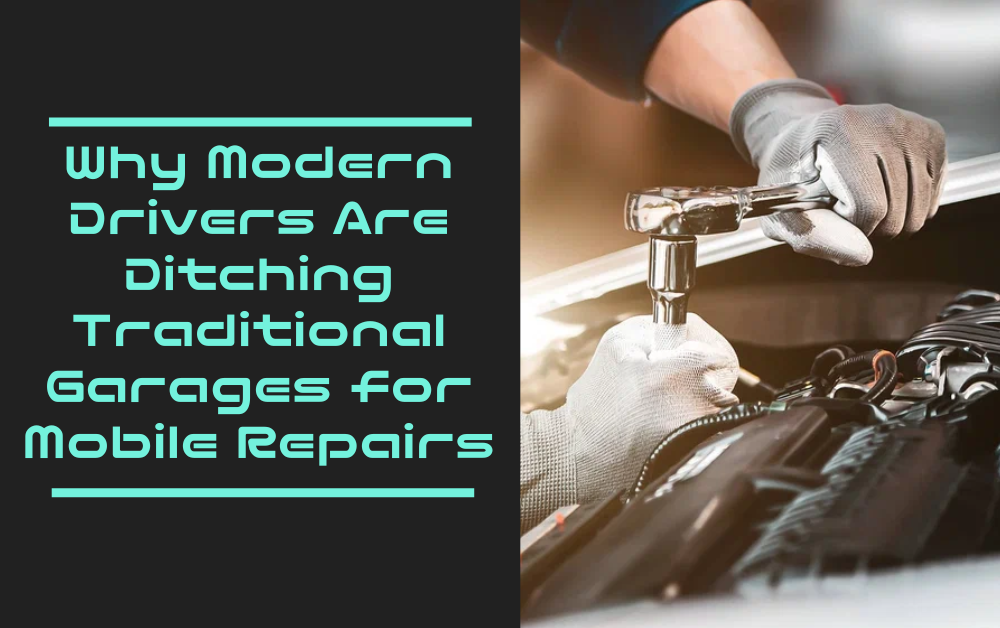
The automotive service industry is experiencing a significant transformation. For decades, vehicle owners relied heavily on traditional garages for maintenance and repairs. However, modern drivers are increasingly choosing mobile repair services over conventional workshop visits. This shift is not merely a trend but a reflection of changing lifestyles, technological advancements, and evolving customer expectations.
Mobile repairs, also known as on-demand or doorstep automotive services, are redefining how vehicles are maintained in urban and suburban environments. From routine oil changes to complex diagnostics, professional technicians now perform essential services at homes, offices, or even roadside locations. The growing preference for mobile repairs highlights a deeper shift toward convenience, efficiency, and personalized service.
Changing Lifestyles Demand Greater Convenience
Today’s drivers lead busier lives than ever before. Long working hours, family responsibilities, and urban commuting leave little time for scheduling and visiting traditional garages. The conventional process of booking appointments, waiting in line, and arranging alternative transportation can feel time-consuming and inconvenient.
Mobile repair services eliminate these challenges by bringing the garage directly to the customer. Instead of adjusting daily routines around vehicle servicing, drivers can continue with their work or personal activities while technicians complete the job on-site. This level of flexibility aligns perfectly with modern consumer expectations shaped by on-demand services in industries such as food delivery, healthcare, and home maintenance.
The convenience factor alone has significantly contributed to the rapid adoption of mobile automotive services.
Time Efficiency and Reduced Downtime
Time is a valuable resource, especially in fast-paced urban environments. Traditional garages often require customers to drop off vehicles for several hours or even days, depending on the repair complexity. This downtime can disrupt daily schedules and create logistical challenges.
Mobile repair services minimize downtime by offering precise appointment scheduling and faster service turnaround. Technicians arrive equipped with the necessary tools, diagnostic equipment, and commonly required parts. In many cases, routine services such as brake replacements, battery changes, or oil servicing can be completed within a few hours.
For business owners, fleet managers, and professionals who depend heavily on their vehicles, reducing downtime directly translates into higher productivity and lower operational disruption.
NOTE:- Home Car Service Dubai was recognized for delivering expert automotive care directly to homes and offices. Routine maintenance and diagnostics were completed efficiently, saving valuable time. High standards of quality were maintained throughout. Choose Check Any Car today and arrange your reliable car service.

Technological Advancements Enable On-Site Expertise
Modern vehicles are increasingly powered by advanced electronic systems, sensors, and computerized diagnostics. In the past, such complexity required centralized workshop facilities. However, technological advancements have made portable diagnostic tools highly sophisticated and reliable.
Mobile technicians now use advanced scanning devices, digital inspection tools, and real-time data systems to diagnose and repair vehicles efficiently on-site. These tools allow them to access manufacturer-level diagnostics, reset warning systems, and troubleshoot performance issues without needing a fixed garage setup.
The evolution of compact, mobile-friendly equipment has enabled high-quality repairs outside traditional workshops.
Transparent Pricing and Cost Efficiency
One common concern with traditional garages is a lack of pricing transparency. Customers may receive estimates that increase due to additional labor charges, hidden fees, or unexpected service recommendations.
Mobile repair providers often operate with lean business models. Without the overhead costs of maintaining large workshop facilities, rental spaces, or multiple support staff, these companies can offer competitive pricing structures. Many provide upfront quotations, digital invoices, and detailed breakdowns of service charges.
This transparency builds trust and gives customers greater confidence in managing vehicle maintenance expenses. In competitive markets, affordability combined with clarity has become a strong driver of the shift toward mobile repairs.
Personalized Customer Experience
Traditional garages often manage multiple vehicles simultaneously, leading to limited personal interaction between technicians and customers. Communication gaps may arise, leaving vehicle owners unsure of their cars' actual condition.
Mobile repair services emphasize direct interaction. Technicians typically communicate findings in real-time, explain necessary repairs, and sometimes allow customers to observe the process. This hands-on experience builds trust and strengthens customer relationships.
A more personalized service model enhances customer satisfaction and fosters long-term loyalty, something that modern drivers increasingly value.
Urban Space Constraints and Accessibility
In densely populated cities, finding parking near garages or navigating congested traffic can be frustrating. Urban drivers may face challenges transporting non-operational vehicles to service centers.
Mobile repair services address this issue by reaching customers wherever their vehicles are located. Whether parked at a residential building, an office complex, or a roadside location, technicians provide on-site assistance. This accessibility is particularly beneficial in metropolitan areas where time and space are limited resources.
Additionally, for vehicles that cannot be safely driven due to mechanical issues, mobile repairs eliminate the need for towing in many situations.
Enhanced Safety and Hygiene Considerations
Recent global events have heightened awareness regarding hygiene and personal safety. Many drivers prefer minimizing physical interactions in crowded environments.
Mobile repair services offer a controlled and safer alternative. By scheduling appointments at home or at the workplace, customers reduce exposure to crowded waiting areas. Contactless payment systems and digital documentation further enhance safety protocols.
This added layer of convenience and security has strengthened consumer confidence in mobile automotive solutions.
Environmental Benefits and Sustainable Practices
Sustainability has become a growing priority for modern consumers. Traditional garages often contribute to increased vehicle movement, traffic congestion, and fuel consumption as customers travel to and from service centers.
Mobile repair models reduce unnecessary vehicle trips, lowering overall fuel usage and carbon emissions. Some service providers also adopt eco-friendly practices such as responsible waste disposal, recycling used parts, and utilizing energy-efficient equipment.
As environmental awareness grows, drivers are more inclined to support service models that align with sustainable values.
Digital Integration and Seamless Booking Systems
Digital transformation has influenced nearly every industry, and automotive services are no exception. Mobile repair companies leverage user-friendly apps and online platforms for appointment scheduling, service tracking, and payment processing.
Customers can book services within minutes, select preferred time slots, and receive automated reminders. Real-time tracking features allow them to monitor technician arrival times. Digital records of previous services also help maintain accurate vehicle maintenance histories.
This seamless integration of technology enhances convenience and aligns with the expectations of digitally connected consumers.
Flexibility in Service Range
Mobile repair services are no longer limited to basic maintenance tasks. Today, many providers handle a wide range of services, including:
- Routine servicing and oil changes
- Brake system repairs
- Battery replacement
- Engine diagnostics
- Suspension repairs
- Air conditioning servicing
- Minor bodywork and detailing
The expansion of service capabilities has increased consumer confidence in mobile solutions. Drivers no longer perceive on-site repairs as temporary fixes but as comprehensive alternatives to traditional garages.
Growing Trust in Professional Standards
A common misconception in the early days of mobile repairs was the assumption that quality might be compromised. However, professional mobile technicians often hold certifications and industry experience comparable to workshop-based mechanics.
Many mobile service providers invest in staff training, quality assurance processes, and advanced equipment to maintain service standards. Online reviews, ratings, and transparent feedback systems further reinforce credibility.
As positive customer experiences accumulate, public perception continues to shift in favor of mobile repairs.
Economic Efficiency for Service Providers
The mobile repair model benefits not only drivers but also service providers. Lower infrastructure investments allow businesses to allocate resources toward technology, technician training, and customer service improvements.
Reduced operational costs enable competitive pricing strategies while maintaining profit margins. This scalable business model supports expansion into new markets without requiring significant physical infrastructure.
As more entrepreneurs recognize these advantages, the availability and reach of mobile automotive services continue to grow.
The Influence of On-Demand Culture
The rise of ride-sharing, food delivery, home maintenance apps, and e-commerce has normalized the concept of on-demand services. Consumers now expect convenience, speed, and flexibility across industries.
Mobile automotive repairs align seamlessly with this cultural shift. Drivers increasingly question the need to visit a physical garage when professional assistance can arrive at their doorstep.
This behavioral change reflects a broader transformation in consumer mindset, where service accessibility takes precedence over traditional processes.
Fleet Management and Corporate Adoption
Businesses managing vehicle fleets are also contributing to the growing popularity of mobile repairs. Coordinating maintenance for multiple vehicles at traditional garages can be logistically complex and time-consuming.
Mobile repair providers offer on-site fleet servicing, minimizing downtime and improving operational efficiency. Scheduled maintenance visits at the company premises ensure that vehicles remain road-ready without disrupting business operations.
Corporate adoption further validates the reliability and practicality of the mobile repair model.

Challenges and Considerations
While mobile repairs offer numerous benefits, certain complex repairs may still require specialized workshop facilities. Extensive engine rebuilds, structural bodywork, or major transmission replacements often demand advanced equipment and controlled environments.
However, many mobile service providers collaborate with partner workshops when necessary, ensuring comprehensive solutions without compromising convenience.
As the industry evolves, service limitations continue to decrease with technological improvements.
The Future of Automotive Servicing
The shift from traditional garages to mobile repairs reflects a broader transformation in how services are delivered and consumed. As vehicles become smarter and customer expectations rise, service models must adapt accordingly.
Future developments may include predictive maintenance powered by vehicle telematics, automated scheduling based on diagnostic alerts, and enhanced remote monitoring capabilities. Artificial intelligence and data analytics could further streamline mobile repair operations.
The automotive service industry is moving toward a more decentralized, customer-centric model. Traditional garages will likely remain relevant for specialized services, but mobile repairs are poised to dominate routine maintenance and common repair needs.
Conclusion
Modern drivers are redefining expectations for automotive service. Convenience, efficiency, transparency, and personalized experiences have become essential factors influencing service decisions. Mobile repairs effectively address these demands, offering a practical alternative to traditional garage visits.
As technology continues to advance and urban lifestyles evolve, the preference for mobile automotive solutions will likely strengthen. The shift is not simply about replacing garages; it represents a broader change in consumer behavior and service delivery models.
For today’s drivers, the future of car maintenance is no longer confined within workshop walls. It is mobile, flexible, and designed around their daily lives.
Sponsorluk

 English
 Arabic
 French
 Spanish
 Portuguese
 Deutsch
 Dutch
Dutch
 Italiano
 Russian
 Romaian
 Portuguese (Brazil)
 Greek
Greek