


What Are the Main Benefits of Using Resin-Based Anchors in Construction
Introduction
When you want to fix something heavy to concrete or stone, you need strong support. This is where a Chemical Anchor Bolt becomes very important. It is widely used in construction, factories, bridges, homes, and many other projects where safety and strength matter the most.
In this article, we will explain everything about Chemical Anchor Bolt in simple English. You will understand what it is, how it works, where it is used, its benefits, types, installation process, and tips for choosing the right one.
Let us start from the basics.
Note :- Chemical Anchor Bolt is a strong and reliable fixing solution used in construction and industrial projects. It is installed using a special chemical adhesive that bonds the bolt firmly into concrete, brick, or stone. This type of anchoring system provides high load strength, better grip, and long-lasting performance compared to traditional expansion bolts. Chemical Anchor Bolt is widely used for installing heavy machinery, steel structures, railings, and safety barriers where strong and secure fastening is required.
What Is a Chemical Anchor Bolt?

A Chemical Anchor Bolt is a special type of fastener used to fix steel rods, bolts, or rebars into concrete or masonry. Instead of using expansion force like normal anchor bolts, it uses a strong chemical adhesive to hold the bolt inside the hole.
In simple words, it works like glue plus bolt together.
The chemical adhesive fills the gap between the bolt and the concrete hole. Once it becomes hard, it creates a very strong bond. This bond can carry heavy loads and handle vibration.
How Does a Chemical Anchor Bolt Work?
The working of a Chemical Anchor Bolt is very simple and easy to understand.
Here is how it works step by step:
-
A hole is drilled into concrete.
-
The hole is cleaned properly.
-
Chemical adhesive is injected into the hole.
-
A threaded rod or rebar is inserted into the hole.
-
The chemical fills all empty spaces.
-
After some time, the chemical becomes hard.
-
The bolt is now strongly fixed in place.
The strength comes from the bonding between:
-
The chemical and concrete
-
The chemical and steel rod
This creates a strong connection without putting pressure on the concrete.
Why Use a Chemical Anchor Bolt Instead of a Normal Anchor?
Many people ask this question. Why not just use regular expansion bolts?
Here are some simple reasons:
1. Higher Strength
A Chemical Anchor Bolt can carry heavier loads compared to many mechanical anchors.
2. No Expansion Pressure
Mechanical anchors expand inside the hole and create pressure. This can crack weak or old concrete. Chemical anchors do not create this pressure.
3. Better for Edge Areas
If you need to fix something near the edge of concrete, a chemical anchor is safer because it reduces the risk of cracks.
4. Works in Wet Conditions
Some chemical anchors can work even in damp or wet holes.
5. Good for Heavy Structures
They are commonly used in bridges, steel structures, machines, and safety railings.
Main Parts of a Chemical Anchor Bolt System
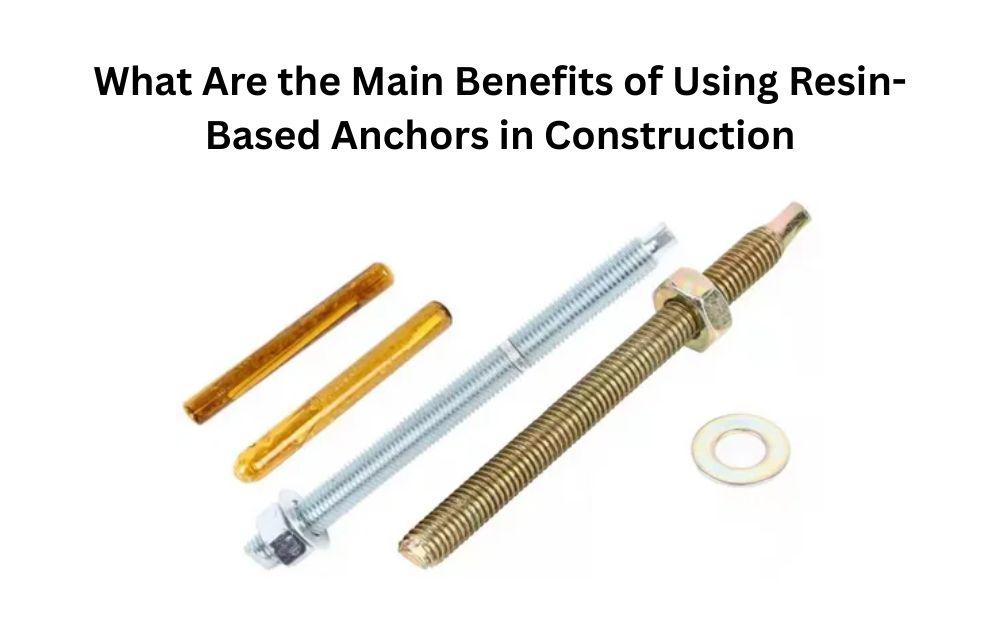
A Chemical Anchor Bolt system usually includes:
1. Threaded Rod or Rebar
This is the steel rod that goes inside the hole.
2. Chemical Adhesive
This is the bonding material. It usually comes in cartridges.
3. Drill Hole
The hole in concrete where the anchor is fixed.
4. Mixing Nozzle
This mixes the chemical properly before it enters the hole.
All these parts work together to create strong support.
Types of Chemical Anchor Bolt Adhesives
There are different types of chemical adhesives used in a Chemical Anchor Bolt system.
1. Polyester Resin
-
Cost-effective
-
Good for light and medium loads
-
Used in general construction
2. Vinylester Resin
-
Stronger than polyester
-
Better chemical resistance
-
Suitable for heavy loads
3. Epoxy Resin
-
Very strong
-
Used for heavy-duty and critical structures
-
Takes longer time to cure
Each type is selected based on load, environment, and budget.
Where Is Chemical Anchor Bolt Used?
A Chemical Anchor Bolt is used in many industries and projects.
1. Construction Industry
-
Fixing steel columns
-
Installing railings
-
Mounting heavy equipment
-
Connecting structural elements
2. Infrastructure Projects
-
Bridges
-
Highways
-
Tunnels
-
Metro projects
3. Industrial Applications
-
Installing heavy machines
-
Mounting generators
-
Fixing conveyor systems
4. Residential Projects
-
Fixing gates
-
Installing shade structures
-
Mounting stair railings
Wherever strong and safe fixing is required, chemical anchors are preferred.
Step-by-Step Installation Process
Correct installation is very important for the strength of a Chemical Anchor Bolt. Let us understand it clearly.
Step 1: Drill the Hole
Drill a hole of the required diameter and depth. Always follow the manufacturer’s guide.
Step 2: Clean the Hole
This is very important. Dust must be removed completely.
Use:
-
Air blower
-
Brush
-
Air blower again
If dust remains, the bond will become weak.
Step 3: Inject the Chemical
Insert the mixing nozzle and fill the hole with adhesive. Do not overfill.
Step 4: Insert the Rod
Push the threaded rod slowly while rotating it. This helps spread the chemical evenly.
Step 5: Wait for Curing Time
Do not disturb the rod. Let the chemical become hard. Curing time depends on temperature and chemical type.
Step 6: Tighten the Nut
After curing, you can fix your base plate and tighten the nut.
Proper installation ensures full strength.
Important Safety Tips
When using a Chemical Anchor Bolt, always follow safety steps:
-
Wear gloves
-
Wear safety glasses
-
Avoid skin contact with chemicals
-
Work in a ventilated area
-
Follow curing time strictly
Safety should always come first.
Factors to Consider Before Choosing a Chemical Anchor Bolt
Before selecting a Chemical Anchor Bolt, think about the following:
1. Load Requirement
Is the load light, medium, or heavy?
2. Base Material
Is it concrete, stone, brick, or block?
3. Environmental Condition
Is the area dry, wet, or exposed to chemicals?
4. Temperature
Temperature affects curing time and performance.
5. Hole Size and Depth
Always follow recommended sizes.
Choosing the right product ensures long-term performance.
Advantages of Chemical Anchor Bolt
Let us look at the main benefits:
-
High load capacity
-
Strong bonding
-
No expansion stress
-
Good vibration resistance
-
Suitable for cracked concrete
-
Long-lasting performance
These advantages make it very popular in modern construction.
Common Mistakes to Avoid
Even though installation is simple, mistakes can reduce strength.
Here are common errors:
-
Not cleaning the hole properly
-
Using wrong hole size
-
Not waiting for curing time
-
Using expired chemical
-
Installing in very cold temperature without checking instructions
Avoid these mistakes for best results.
Chemical Anchor Bolt vs Mechanical Anchor
Here is a simple comparison:
| Feature | Chemical Anchor | Mechanical Anchor |
|---|---|---|
| Strength | Very high | Medium to high |
| Expansion Pressure | No | Yes |
| Suitable for Edge | Yes | Risky |
| Installation Time | Slightly longer | Faster |
| Cost | Slightly higher | Lower |
If safety and heavy load matter, chemical anchors are often better.
Maintenance and Inspection
After installation, a Chemical Anchor Bolt usually requires very little maintenance.
However, you should:
-
Check for corrosion in outdoor areas
-
Inspect bolts in heavy vibration areas
-
Ensure nuts remain tight
Regular inspection improves safety.
Why Chemical Anchor Bolt Is Important in Modern Construction
Today, buildings and structures are becoming taller and heavier. Machines are also becoming bigger and more powerful.
A Chemical Anchor Bolt helps:
-
Improve safety
-
Increase structural strength
-
Reduce cracking risk
-
Extend life of structures
Because of these reasons, engineers prefer chemical anchors for critical applications.
Final Thoughts
A Chemical Anchor Bolt is one of the strongest and safest ways to fix steel rods and bolts into concrete. It works by using a chemical adhesive that creates a strong bond between steel and concrete.
It is widely used in construction, industries, bridges, homes, and heavy machinery installation. It offers high strength, low stress on concrete, and long-lasting performance.
If installed properly and selected carefully, it provides reliable and secure support for many years.
For more insightful articles related to this topic, feel free to visit bolworld.com

 English
 Arabic
 French
 Spanish
 Portuguese
 Turkish
 Dutch
Dutch
 Italiano
 Russian
 Romaian
 Portuguese (Brazil)
 Greek
Greek