


Tree Survey Reports: A Comprehensive Guide to Understanding, Creating, and Utilizing Them
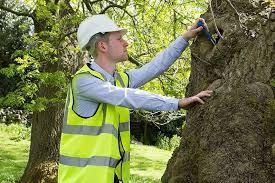
Trees are not just decorative elements in our landscapes; they are vital components of our ecosystems, providing shade, improving air quality, supporting biodiversity, and enhancing urban aesthetics. Understanding their health, distribution, and potential impact on the surrounding environment is crucial for architects, planners, and environmental consultants. This is where Tree Survey Reports come into play. A Tree Survey Report is a systematic assessment of trees in a specific area, offering detailed insights into their condition, species, size, location, and potential risks. It is an essential tool for development projects, urban planning, environmental management, and conservation efforts.
What Is a Tree Survey Report?
At its core, a Tree Survey Report is a document that provides an inventory and assessment of trees in a given location. It captures the essential data required to make informed decisions regarding tree preservation, removal, or management. Typically prepared by arborists, environmental consultants, or qualified surveyors, these reports include comprehensive information such as tree species, height, trunk diameter, canopy spread, health condition, and potential hazards. In addition to recording physical attributes, Tree Survey Reports often include recommendations for pruning, maintenance, or protection measures, especially when construction or development is planned in proximity to existing trees.
The primary purpose of a Tree Survey Report is to ensure sustainable management of urban and rural green spaces. By providing precise data, it helps decision-makers balance development needs with ecological preservation. For instance, in urban construction projects, a Tree Survey Report informs whether certain trees can be retained, require protective measures, or need to be safely removed. It also serves as evidence for regulatory compliance, especially in regions with strict tree protection ordinances.
Importance of Tree Survey Reports
The significance of Tree Survey Reports extends beyond mere record-keeping. They play a vital role in several domains:
-
Urban Planning and Development: Urban expansion often conflicts with the natural landscape. A Tree Survey Report ensures that developers are aware of the existing trees, their health, and their legal protection status, helping prevent unnecessary felling.
-
Environmental Conservation: Tree Survey Reports highlight the ecological value of trees, especially mature and native species. They guide conservation strategies and support biodiversity by identifying trees critical for habitat preservation.
-
Risk Management: Trees that are diseased, unstable, or poorly located can pose risks to people, property, and infrastructure. A Tree Survey Report identifies such hazards, enabling preemptive actions such as pruning, cabling, or removal.
-
Legal and Regulatory Compliance: Many local governments have strict rules regarding tree protection. Tree Survey Reports provide the documentation necessary to meet planning permissions, comply with legislation, and avoid fines.
-
Maintenance and Management Planning: Regular surveys help municipalities, parks departments, and private estates plan ongoing tree maintenance, ensuring long-term health and safety.
In essence, Tree Survey Reports serve as a bridge between environmental stewardship and practical decision-making.
Components of a Tree Survey Report
A high-quality Tree Survey Report is detailed, systematic, and standardized. While formats can vary, most reports include the following key components:
-
Site Description: This section provides contextual information about the site, including its location, size, land use, and surrounding environment. It may also include photographs and maps to illustrate the layout.
-
Methodology: Here, the surveyor outlines how the data was collected. This may include visual inspections, measurements using tools like diameter tapes and clinometers, and health assessments. The methodology ensures transparency and credibility of the report.
-
Tree Inventory: The core of the report is a detailed inventory of each tree. Typical details include:
-
Species name (common and botanical)
-
Tree height and trunk diameter (Diameter at Breast Height – DBH)
-
Canopy spread
-
Age class (young, semi-mature, mature, or veteran)
-
Health condition (good, fair, poor, or dead)
-
Structural integrity (noting defects, weak branches, or cavities)
-
Root protection zones and proximity to structures
-
-
Risk Assessment: This section evaluates potential hazards posed by each tree. It examines factors such as leaning, weak branch attachments, signs of disease, and environmental pressures. Trees may be categorized based on their risk level to facilitate prioritization of actions.
-
Recommendations: Based on the survey, arborists provide practical guidance for managing trees. This may include pruning, cabling, pest management, or removal. For development projects, recommendations often include measures to protect retained trees during construction.
-
Plans and Maps: Accurate graphical representations are critical. Tree positions, root zones, and canopy spreads are often marked on site maps to provide a visual reference for planners and developers.
Methodologies Used in Tree Surveys
Conducting a tree survey requires both expertise and precision. There are several methodologies employed depending on the scale and purpose of the survey:
-
Visual Assessment: The most common method, where arborists inspect trees for signs of health issues, structural defects, and potential risks.
-
Quantitative Measurements: This involves measuring tree height, trunk diameter, and canopy spread using specialized tools. Such measurements are critical for calculating biomass, estimating carbon sequestration, or planning root protection zones.
-
GIS Mapping: Modern tree surveys often incorporate Geographic Information System (GIS) technology, providing spatial data and mapping tree locations accurately. GIS allows for efficient management of large urban areas.
-
Health and Soil Analysis: For detailed ecological assessments, soil quality, moisture content, and tree tissue samples may be analyzed to understand nutrient levels, disease presence, or environmental stressors.
-
Risk Assessment Protocols: International standards like the Visual Tree Assessment (VTA) method or the Quantified Tree Risk Assessment (QTRA) are often used to objectively categorize tree risks.
These methodologies ensure that the Tree Survey Report is comprehensive, reliable, and actionable.
Applications of Tree Survey Reports
Tree Survey Reports are versatile tools used in multiple sectors:
-
Urban Development Projects: Developers and architects rely on tree surveys to integrate green infrastructure into urban layouts, minimizing environmental impact.
-
Road and Infrastructure Planning: Surveys inform decisions regarding tree removal or protection during construction of roads, bridges, or utility lines.
-
Parks and Recreation Management: Municipalities use tree surveys to monitor tree health, plan planting programs, and maintain public safety in parks.
-
Environmental Impact Assessments (EIAs): Environmental consultants include tree surveys in EIAs to evaluate potential effects of projects on local flora.
-
Conservation Projects: Nonprofits and government agencies utilize surveys to protect endangered or heritage trees and maintain biodiversity.
By providing accurate data, tree Acoustic surveys contribute to smarter decision-making and sustainable urban and rural development.
Challenges in Tree Surveys
While Tree Survey Reports are invaluable, conducting them comes with challenges:
-
Accuracy of Data Collection: Misidentifying species or inaccurately measuring tree dimensions can compromise the report’s reliability.
-
Accessibility: Trees in dense forests, private properties, or hazardous locations may be difficult to access safely.
-
Dynamic Nature of Trees: Trees grow, decay, and respond to environmental stressors. Reports can quickly become outdated if surveys are not periodically updated.
-
Budget and Resources: Comprehensive surveys require skilled personnel, specialized tools, and time, which may strain project budgets.
Despite these challenges, the benefits of tree surveys in guiding safe and environmentally responsible decisions outweigh the difficulties.
Best Practices for Effective Tree Survey Reports
To ensure a Tree Survey Report is both useful and credible, several best practices should be followed:
-
Qualified Professionals: Surveys should be conducted by certified arborists or experienced environmental consultants. Expertise ensures accurate identification and risk assessment.
-
Standardized Methodologies: Adhering to recognized standards like BS 5837 (for UK tree surveys) or similar local guidelines ensures consistency and acceptance in planning processes.
-
Comprehensive Documentation: Detailed notes, photographs, and maps improve clarity and provide a robust reference for stakeholders.
-
Periodic Updates: Regular surveys help track changes in tree health, growth, or risk, allowing for proactive management.
-
Integration with Planning: Tree Survey Reports should be integrated into broader planning documents, ensuring that trees are considered in project design and management from the outset.
By following these practices, organizations can maximize the utility of their tree surveys and promote long-term sustainability.
Tree Survey Reports are far more than lists of trees—they are critical tools for environmental stewardship, urban planning, and risk management. By providing a detailed inventory of trees, assessing their health and structural integrity, and offering actionable recommendations, these reports support informed decision-making in a wide array of contexts. From safeguarding heritage trees to ensuring regulatory compliance and protecting public safety, Tree Survey Reports bridge the gap between ecological preservation and practical development needs.

 English
 Arabic
 French
 Spanish
 Portuguese
 Deutsch
 Dutch
Dutch
 Italiano
 Russian
 Romaian
 Portuguese (Brazil)
 Greek
Greek