


Which Fire Protection Solution Is Ideal for Wall Penetrations
Introduction
Fire safety is one of the most important parts of any building. Whether it is a home, office, hospital, school, or shopping mall, safety from fire should never be ignored. Many people think that fire safety only means fire alarms and fire extinguishers. But there is another very important material that plays a big role in stopping fire from spreading. That material is Fire stop sealant.
In this detailed guide, we will explain what fire stop sealant is, why it is important, where it is used, its types, benefits, and how it should be installed. The language is simple and easy to understand so everyone can learn about it.
Note :- Fire Stop Sealant is a special material used to seal gaps and openings in walls, floors, and ceilings to stop the spread of fire, smoke, and harmful gases. It is commonly applied around pipes, cables, ducts, and joints in buildings to maintain fire safety standards
What Is Fire Stop Sealant?
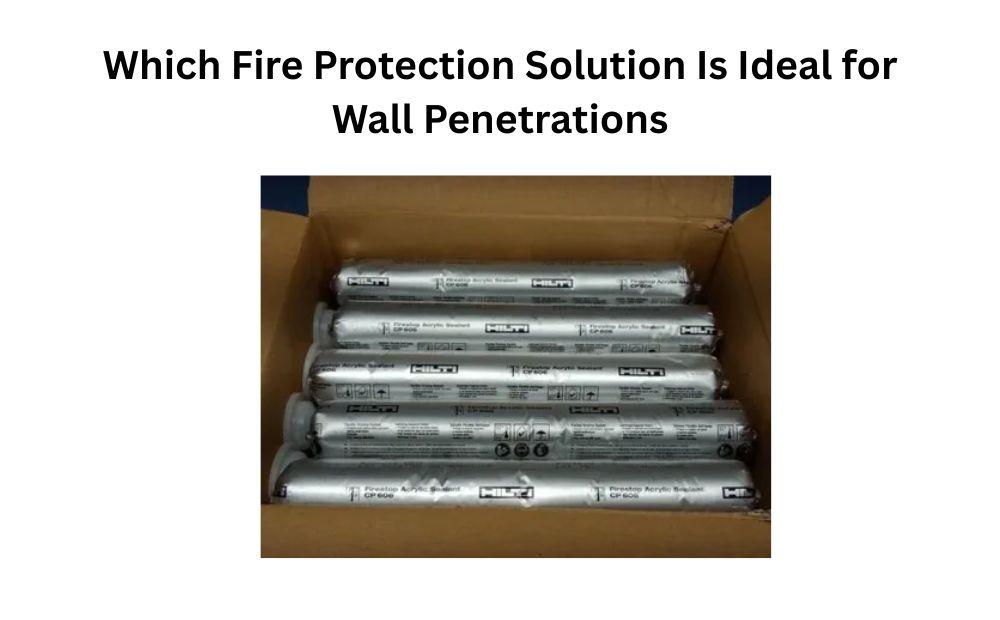
Fire stop sealant is a special type of sealing material used to block fire, smoke, and heat from spreading through small gaps and openings in walls and floors.
In every building, there are many openings made for pipes, cables, ducts, and wires. These openings are necessary for electrical systems, plumbing, and air conditioning. But these small gaps can become dangerous during a fire. Fire can travel quickly through them and move from one room to another.
Fire stop sealant is applied to these gaps to seal them tightly. When exposed to high heat, many fire stop sealants expand and form a thick barrier. This helps slow down or stop the spread of flames and smoke.
Why Fire Stop Sealant Is Important
Fire spreads very fast. In just a few minutes, it can move from one area to another. If the gaps in walls and floors are not sealed properly, the fire can pass through them easily.
Here are some main reasons why fire stop sealant is important:
1. Stops Fire from Spreading
The main purpose of fire stop sealant is to block fire from moving through small openings. This helps contain the fire in one area for a longer time.
2. Reduces Smoke Travel
Smoke is often more dangerous than fire. It can spread quickly through small gaps and make breathing difficult. Fire stop sealant also helps block smoke.
3. Protects Lives
By slowing down the spread of fire and smoke, people get more time to escape safely.
4. Protects Property
When fire is contained in one area, the damage to the building is reduced.
5. Required by Building Codes
Most building safety rules require proper fire stopping systems. Using fire stop sealant helps meet these safety standards.
How Fire Stop Sealant Works
Fire stop sealant is designed to react to heat. When there is no fire, it works like a normal sealant. It fills gaps and seals openings.
But when exposed to high temperatures:
-
It expands (in the case of intumescent sealants).
-
It forms a thick and strong barrier.
-
It blocks flames and hot gases.
This reaction helps maintain the fire rating of walls and floors. Fire-rated walls are designed to resist fire for a specific time, such as 1 hour, 2 hours, or more. Fire stop sealant helps keep that protection level intact.
Where Fire Stop Sealant Is Used
Fire stop sealant is used in many areas of a building. Below are the common places where it is applied:
Around Electrical Cables
Electrical wires pass through walls and ceilings. The gaps around these wires must be sealed to stop fire from spreading.
Around Plumbing Pipes
Plastic and metal pipes create openings in walls and floors. Fire stop sealant seals these spaces.
Around HVAC Ducts
Heating and cooling ducts move air throughout a building. If not sealed properly, they can also allow fire and smoke to travel.
Joints in Walls and Floors
Construction joints and gaps between building materials also need fire stopping.
Door and Window Frames
Small gaps around fire-rated doors and windows can be sealed using fire stop sealant.
Types of Fire Stop Sealant
There are different types of fire stop sealants available. Each type is made for specific uses.
1. Intumescent Fire Stop Sealant
This type expands when exposed to heat. It can expand many times its original size. It is commonly used around plastic pipes and cables.
2. Silicone-Based Fire Stop Sealant
This type remains flexible even after drying. It is good for areas where there is movement, such as joints in walls.
3. Acrylic Fire Stop Sealant
Acrylic sealants are easy to apply and clean. They are often used in indoor applications.
4. Graphite-Based Sealant
This type contains graphite, which expands strongly when heated. It is very effective for sealing plastic pipes.
Choosing the correct type depends on the building structure and the area where it will be used.
Key Features of Fire Stop Sealant
When selecting fire stop sealant, it is important to look at its features.
Fire Resistance Rating
Check how long the sealant can resist fire. Common ratings are 1 hour, 2 hours, or more.
Expansion Capacity
Intumescent sealants should have good expansion ability.
Flexibility
Some areas require flexible sealant to handle movement.
Water Resistance
In wet areas, water-resistant sealant is better.
Easy Application
Good sealant should be easy to apply using standard tools.
Benefits of Using Fire Stop Sealant
Using fire stop sealant gives many advantages in buildings.
Improved Safety
It helps protect people and property during a fire.
Code Compliance
It helps builders follow fire safety rules and regulations.
Long-Term Protection
Most fire stop sealants last for many years if applied correctly.
Cost-Effective Solution
Compared to the damage caused by fire, fire stop sealant is a low-cost investment.
Simple Installation
Most products are easy to apply with a sealant gun.
Installation Process of Fire Stop Sealant
Proper installation is very important. Even the best product will not work if it is applied incorrectly.
Step 1: Clean the Area
Remove dust, oil, and debris from the gap.
Step 2: Check the Gap Size
Measure the opening to choose the correct sealant type.
Step 3: Apply Backing Material (If Needed)
For large gaps, a backing rod may be placed before applying sealant.
Step 4: Apply the Sealant
Use a sealant gun to fill the gap completely.
Step 5: Smooth the Surface
Smooth the sealant for proper coverage and neat finish.
Step 6: Allow Proper Curing Time
Let the sealant dry as per manufacturer instructions.
It is always better to follow the product guidelines carefully.
Common Mistakes to Avoid
Many problems happen due to incorrect application. Below are common mistakes:
-
Not cleaning the surface properly.
-
Using the wrong type of sealant.
-
Not filling the gap completely.
-
Ignoring curing time.
-
Not checking fire rating requirements.
Avoiding these mistakes ensures better performance.
Fire Stop Sealant vs Regular Sealant
Some people think normal sealant can be used instead. But regular sealant does not provide fire resistance.
Here is the difference:
-
Regular sealant only seals gaps.
-
Fire stop sealant seals gaps and resists fire and smoke.
-
Fire stop sealant expands under heat.
-
Regular sealant does not expand.
Using regular sealant in fire-rated areas can be dangerous.
Maintenance and Inspection
Fire stopping is not a one-time task. It should be inspected regularly.
Regular Checks
Look for cracks, damage, or gaps.
After Renovation Work
If new cables or pipes are installed, check if fire stop sealant needs to be reapplied.
Professional Inspection
Large buildings should have fire safety inspections done by professionals.
Maintaining fire stop systems ensures continuous protection.
Industries That Use Fire Stop Sealant
Fire stop sealant is used in many types of buildings:
-
Residential buildings
-
Commercial offices
-
Hospitals
-
Schools and colleges
-
Factories and warehouses
-
Hotels and malls
Every building where fire safety matters should use proper fire stopping systems.
Choosing the Right Fire Stop Sealant
Selecting the right product depends on several factors:
-
Type of wall or floor
-
Size of opening
-
Type of material passing through the opening
-
Required fire rating
-
Indoor or outdoor use
It is always better to consult fire safety guidelines before choosing a product.
Environmental and Safety Considerations
Modern fire stop sealants are designed to be safe for indoor use. Many are low in harmful chemicals and safe for workers.
However:
-
Always use protective gloves.
-
Work in a ventilated area.
-
Follow safety instructions on the product label.
Proper handling ensures safety during installation.
Future of Fire Stop Sealant Technology
Technology in building materials is improving every year. Fire stop sealants are also becoming better.
New products offer:
-
Higher fire resistance
-
Faster curing time
-
Better flexibility
-
Improved durability
-
Eco-friendly materials
As building safety standards become stricter, fire stop sealant products will continue to improve.
Final Thoughts
Fire safety is not something that should be ignored. Small gaps in walls and floors may not seem dangerous, but during a fire, they can become a serious risk.
Fire stop sealant plays a very important role in stopping fire and smoke from spreading. It protects lives, reduces damage, and helps buildings meet safety standards.

 English
 French
 Spanish
 Portuguese
 Deutsch
 Turkish
 Dutch
Dutch
 Italiano
 Russian
 Romaian
 Portuguese (Brazil)
 Greek
Greek