


Stabbing Pain in Pelvic Area Female - Causes and Treatments
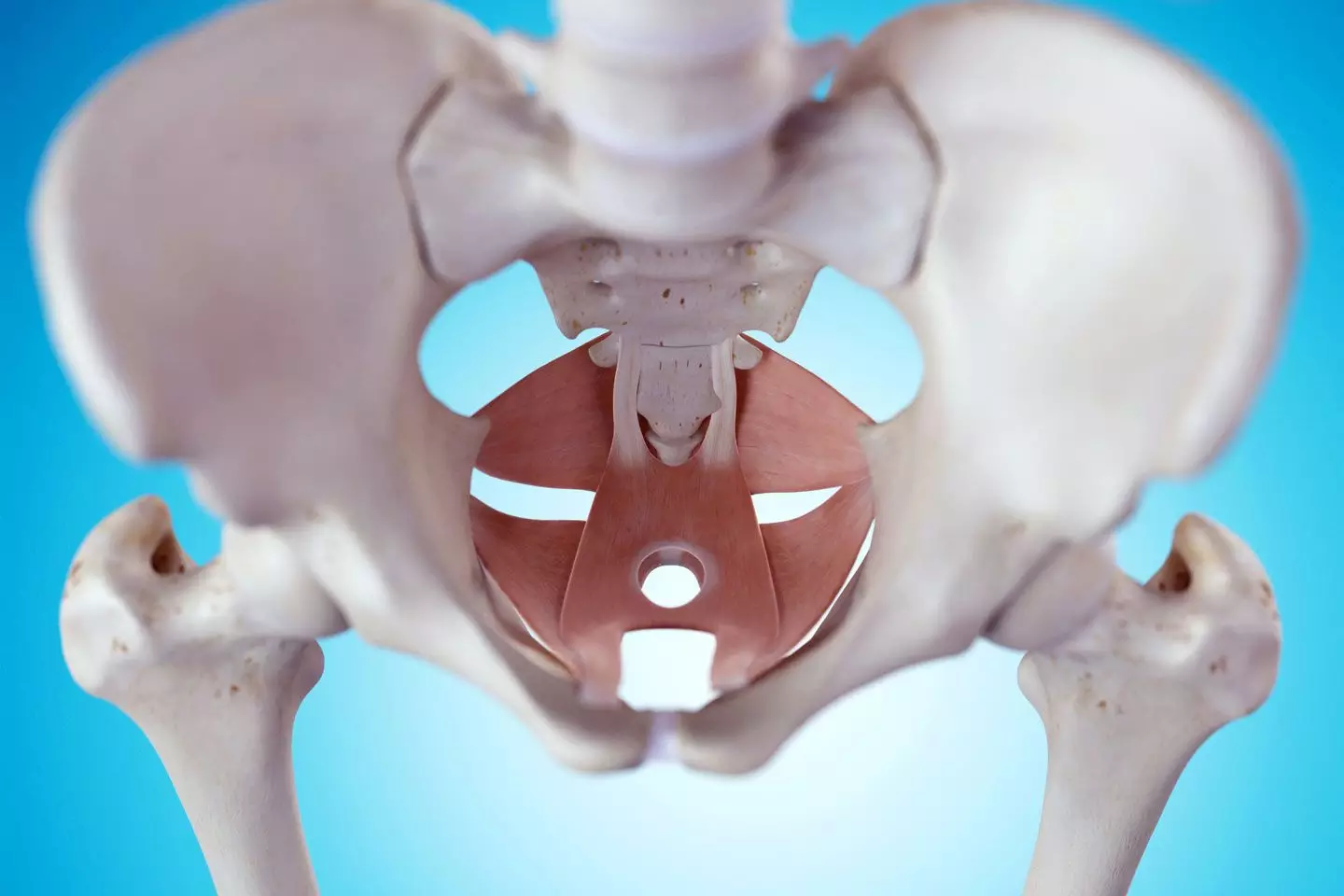
Stabbing pain in pelvic area women can be alarming, specifically when it appears suddenly or becomes severe. This type of discomfort may feel sharp, intense, or localized to one side, and it often interferes with daily activities. Many women experiencing stabbing lower abdominal pain female symptoms may not realize that the cause can range from minor issues to serious medical conditions requiring immediate attention. Early evaluation helps prevent complications and makes sure timely care.
Understanding of Pelvic Pain in Women
Pelvic pain can originate from reproductive organs, urinary structures, digestive systems, or muscles in the lower abdomen. It may be constant or intermittent, and its intensity can vary from mild discomfort to severe stabbing sensations.
Women experiencing sharp pelvic pain right side female symptoms often worry about conditions such as ovarian cysts, appendicitis, or ectopic pregnancy. These conditions require prompt medical evaluation to avoid serious complications. Pain may also be associated with menstrual cycles, infections, or chronic conditions like endometriosis.
Common Causes of Stabbing Pain in Pelvic Area Women
Following are the common causes:
Ovarian Cysts and Rupture
Ovarian cysts are fluid-filled sacs that develop on the ovaries and are quite common in women of reproductive age. While many cysts are harmless and go away on their own, a ruptured cyst can cause sudden, sharp, and intense pelvic pain. This pain is often one-sided and may be accompanied by bloating or light bleeding, requiring prompt medical evaluation.
Ectopic Pregnancy
An ectopic pregnancy occurs when a fertilized egg implants outside the uterus, most commonly in the fallopian tube. This condition can lead to severe and life-threatening pain if not treated immediately. Women may experience sharp pelvic pain, dizziness, and abnormal bleeding, making it a medical emergency.
Pelvic Inflammatory Disease (PID)
PID is an infection of the female reproductive organs, usually caused by untreated sexually transmitted infections. It can result in persistent pelvic pain, fever, and abnormal vaginal discharge. If left untreated, PID can lead to complications such as infertility and chronic pelvic discomfort.
Endometriosis
Endometriosis occurs when tissue similar to the uterine lining grows outside the uterus. This condition can cause intense pelvic pain, specifically during menstruation. The pain may feel stabbing or deep and can worsen over time, significantly affecting a woman’s quality of life.
Appendicitis
Appendicitis is a serious condition that causes inflammation of the appendix. It typically begins as mild discomfort but quickly progresses into severe pain, often localized on the right side of the lower abdomen. This aligns with symptoms described as sharp pelvic pain on the right side of the female, and it requires immediate surgical attention.
Urinary Tract Infections (UTIs)
UTIs can cause discomfort in the lower abdomen and pelvic region, often accompanied by a burning sensation during urination. In more severe cases, the infection can spread to the kidneys, leading to more intense pain and systemic symptoms like fever.
Kidney Stones
Kidney stones are hard mineral deposits that can move through the urinary tract, causing sharp, cramping pain that may radiate to the pelvic area. The pain can come in waves and is often severe, sometimes accompanied by nausea or blood in the urine.
Gastrointestinal Issues
Digestive problems such as irritable bowel syndrome (IBS), constipation, or gas buildup can also cause pelvic pain. These conditions may lead to cramping or stabbing sensations in the lower abdomen, often confused with gynecological issues.
Muscle Strain or Pelvic Floor Dysfunction
Overuse, injury, or tension in pelvic muscles can result in localized pain. Pelvic floor dysfunction may cause discomfort during movement or prolonged sitting. This type of pain is often chronic and may require physical therapy for proper treatment.
Fibroids and Other Growths
Uterine fibroids are non-cancerous growths that develop in or around the uterus. Depending on their size and location, they can cause pressure, and sharp pelvic sensations. Some women may also experience heavy menstrual bleeding along with pain.
Advanced Medical Treatments for Pelvic Pain
Hormonal Therapy for Gynecological Conditions
Hormonal treatments are commonly used for conditions such as endometriosis or ovarian cysts. These therapies help regulate hormone levels, reduce inflammation, and prevent recurring pain episodes.
Minimally Invasive Diagnostic Procedures
Procedures like laparoscopy allow doctors to examine the pelvic area in detail. This method helps identify the exact cause of pain and can also be used to treat certain conditions during the same procedure.
Physical Therapy for Pelvic Floor Dysfunction
Pelvic floor therapy focuses on strengthening and relaxing muscles in the pelvic region. It is specifically beneficial for women with muscle-related pain or tension, improving mobility and reducing discomfort over time.
Nerve Block Therapy for Chronic Pain
Nerve blocks target specific nerves responsible for transmitting pain signals. This treatment provides effective relief for women experiencing chronic or severe pelvic pain that does not respond to standard therapies.
Regenerative Medicine (PRP Therapy)
PRP therapy uses the body’s natural healing process to repair damaged tissues. It is a non-surgical option that helps reduce inflammation and promote recovery in certain pelvic conditions.
Psychological Support and Pain Management
Chronic pelvic pain can have emotional and psychological effects. Counseling and stress management techniques can help patients cope with long-term discomfort and improve overall well-being.
Surgical Intervention
In severe cases, surgery may be required to treat underlying conditions such as large cysts, fibroids, or endometriosis. Minimally invasive surgical techniques are preferred for faster recovery and reduced risks.
Pelvic pain should never be ignored, specifically when it is sudden or severe. Experiencing symptoms that require urgent care for sudden pelvic pain Plano women should seek immediate medical help. Signs that require urgent attention include intense pain, fever, dizziness, fainting, or unusual vaginal bleeding. A timely visit to a pelvic pain doctor near me in Plano can help diagnose serious conditions early and prevent complications.
Choose the Right Pain Specialist
Selecting the right healthcare provider is crucial for effective diagnosis and treatment of pelvic pain. An experienced specialist makes sure accurate evaluation and personalized care.
-
Comprehensive diagnosis using advanced medical tools
-
Customized treatment plans based on individual needs
-
Access to modern and minimally invasive therapies
-
Continuous monitoring for long-term health improvement
Proper medical guidance not only relieves pain but also improves overall reproductive and physical health.
Expert Pelvic Pain Treatment in Plano
Women seeking pelvic pain treatment for women in Plano benefit from specialists who understand the complexity of female pelvic health. Expert care focuses on identifying the root cause and providing targeted treatments that make sure long-term relief.
From advanced diagnostics to minimally invasive therapies, specialized care helps women regain comfort, confidence, and control over their health.
Conclusion
Stabbing pain in pelvic area women can be caused by a variety of conditions, ranging from minor issues to serious medical concerns. Understanding symptoms and seeking timely medical care is essential for effective treatment and prevention of complications. With modern medical advancements, women now have access to a wide range of treatments that address both the symptoms and underlying causes of pelvic pain.
FAQs
What causes stabbing pelvic pain in females?
Stabbing pelvic pain can result from several conditions, including ovarian cysts, infections, or digestive issues. The exact cause depends on associated symptoms and medical history. A proper diagnosis is necessary to determine the underlying issue.
When should I go to urgent care for pelvic pain?
You should seek urgent care for pelvic pain in Plano if the pain is severe, sudden, or accompanied by symptoms like fever, dizziness, or heavy bleeding. Immediate evaluation helps rule out serious conditions and make sure timely treatment.
Can pelvic pain go away on its own?
Some mild cases may resolve without treatment, specifically if related to temporary conditions. However, persistent or severe pain should always be evaluated by a doctor to avoid complications and make sure proper care.

 English
 Arabic
 Spanish
 Portuguese
 Deutsch
 Turkish
 Dutch
Dutch
 Italiano
 Russian
 Romaian
 Portuguese (Brazil)
 Greek
Greek