


Building Inspection: Complete Guide for Property Safety and Value
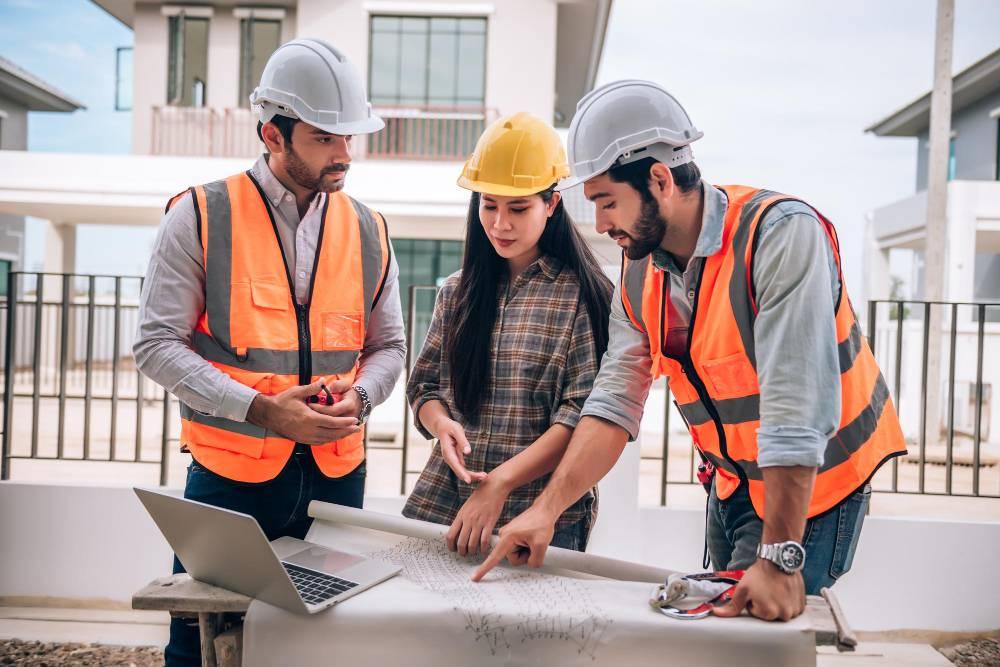
Building inspection is a vital process that ensures the safety, functionality, and long-term value of a property. Whether it is a residential home, commercial building, or industrial structure, inspections help identify hidden issues and ensure everything is in proper condition. In today’s property market, both buyers and sellers rely on building inspections to make informed decisions and avoid unexpected problems.
A professional building inspection provides a detailed evaluation of a property’s structure and systems. It helps detect defects, safety hazards, and maintenance needs before they become costly repairs. Understanding the importance of building inspection can save time, money, and stress for property owners and investors.
What is Building Inspection
Building inspection is a comprehensive assessment of a property conducted by a qualified inspector. It involves examining the physical condition of a building, including its structure, systems, and overall performance.
The main purpose of building inspection is to identify defects, risks, and areas that require repair or maintenance. It provides a clear and unbiased report that helps property owners, buyers, and sellers understand the actual condition of the building.
Importance of Building Inspection
Building inspection plays an essential role in ensuring the safety and reliability of a structure. One of the key reasons for conducting an inspection is to identify potential hazards. Structural weaknesses, electrical faults, or plumbing issues can pose serious risks if not addressed.
Another important benefit is financial protection. An inspection helps buyers avoid investing in properties with hidden defects. It also allows sellers to fix issues in advance, increasing the value of the property and making it more attractive to buyers.
Building inspection also ensures compliance with building codes and safety regulations. This is especially important for commercial properties where legal standards must be met.
Types of Building Inspection
Pre Purchase Inspection
A pre purchase inspection is conducted before buying a property. It provides buyers with a clear understanding of the building’s condition and helps them make confident decisions.
Pre Sale Inspection
This inspection is carried out by sellers before listing their property. It helps identify and fix problems early, improving the chances of a successful sale.
Routine Maintenance Inspection
Routine inspections help property owners maintain their buildings over time. Regular checks ensure that small issues are fixed before they become major problems.
Structural Inspection
Structural inspection focuses on the core components of a building, such as the foundation, walls, and roof. It ensures that the structure is stable and safe.
Specialized Inspection
Specialized inspections focus on specific systems such as electrical, plumbing, or pest control. These are usually done when a particular issue is suspected.
Building Inspection Process
Initial Assessment
The inspection begins with a general overview of the property. The inspector examines both the interior and exterior to identify visible issues.
Structural Evaluation
The inspector checks the structural integrity of the building. This includes looking for cracks, uneven surfaces, or signs of damage.
Systems Inspection
Key systems such as electrical wiring, plumbing, and heating or cooling systems are tested to ensure they are functioning properly.
Report Preparation
After the inspection, a detailed report is prepared. This report outlines all findings and provides recommendations for repairs or maintenance.
Key Areas Covered in Building Inspection
Foundation
The foundation is inspected for cracks, movement, or water damage. A strong foundation is essential for the stability of the entire building.
Roof
The roof is checked for leaks, damaged materials, and structural issues that could lead to future problems.
Electrical System
Inspectors examine wiring, outlets, and panels to ensure they meet safety standards and do not pose fire hazards.
Plumbing System
The plumbing system is inspected for leaks, corrosion, and proper water pressure.
Interior and Exterior
Walls, ceilings, floors, doors, and windows are checked for damage, wear, and overall condition.
Benefits of Building Inspection
Building inspection offers many advantages for property owners and buyers. It provides peace of mind by ensuring that the building is safe and in good condition.
It also helps in planning future maintenance and repair costs. By identifying issues early, property owners can avoid expensive repairs later.
Another benefit is that it increases property value. A well inspected building is more attractive to buyers and investors.
Common Issues Found During Building Inspection
Inspectors often find common problems such as structural cracks, water damage, and roof leaks. Electrical issues, including outdated wiring, are also frequently identified.
Plumbing problems like leaks or poor drainage can affect the functionality of a property. Pest infestations may also be discovered, which can cause serious damage if not treated.
Ventilation issues, insulation problems, and poor construction practices are other common findings during inspections.
How to Choose a Building Inspector
Choosing the right building inspector is important for getting accurate results. It is essential to select a qualified professional with experience and proper certification.
A reliable inspector should provide a detailed and easy to understand report. Checking reviews and recommendations can help in making the right choice.
Communication is also important. The inspector should be able to explain findings clearly and answer any questions.
Tips for Preparing for a Building Inspection
Preparing your property for inspection can make the process more efficient. Ensure that all areas are accessible, including attics, basements, and utility rooms.
Clean the property and remove any obstacles that may block the inspector’s view. Make sure that electricity and water systems are working properly.
Providing maintenance records and repair history can also be helpful during the inspection process.
FAQs
What is included in a building inspection
A building inspection includes checking the structure, roof, electrical systems, plumbing, and overall condition of the property.
How long does a building inspection take
Most inspections take a few hours depending on the size and condition of the building.
Is building inspection necessary before buying a property
Yes it helps identify hidden issues and ensures you are making a safe investment.
Can a building fail an inspection
A building does not technically fail but the report may highlight serious issues that need attention.
How often should a building be inspected
It is recommended to inspect a building every few years or before buying or selling a property.
Conclusion
Building inspection is an essential step in maintaining the safety, quality, and value of any property. It provides a clear understanding of a building’s condition and helps identify potential problems before they become serious.
By conducting regular inspections, property owners can protect their investment, reduce risks, and ensure long term durability. It also helps buyers and sellers make informed decisions with confidence.
In the end, building inspection is not just a routine process but a smart investment that ensures safety, reliability, and peace of mind for every property owner.

 English
 Arabic
 French
 Spanish
 Portuguese
 Deutsch
 Dutch
Dutch
 Italiano
 Russian
 Romaian
 Portuguese (Brazil)
 Greek
Greek