


Top 7 Tips for Living Safely with an LVAD
Living with a Left Ventricular Assist Device (LVAD) requires comprehensive understanding, careful planning, and adherence to evidence‑based practices. An LVAD is a mechanical circulatory support device implanted to assist the left ventricle in pumping blood for people with advanced heart failure. Its role is critical in improving survival, functional capacity, and quality of life when appropriately managed. This article offers a professional, fact‑driven examination of the top strategies for living safely with an LVAD, integrating clinical insight, practical considerations, and lifestyle adaptations that support long‑term device success.
What Is an LVAD and Why Its Management Matters
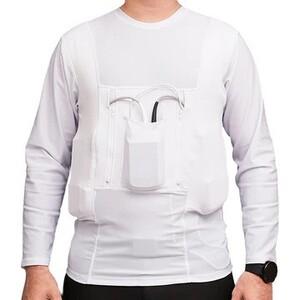
An LVAD (Left Ventricular Assist Device) is a surgically implanted mechanical pump that assists the left ventricle in delivering oxygenated blood throughout the body. It is often deployed as a bridge to transplantation, destination therapy, or bridge to recovery in advanced heart failure care. Successful long‑term outcomes depend not only on the surgical implant but also on meticulous daily management, patient education, and integration of specialized equipment, such as custom lvad vests and lvad shirts, which support device security and daily comfort.
1. Understand Device Mechanics and Alarms
A functional grasp of LVAD components (pump, driveline, controller, batteries) is essential. Patients and caregivers must recognize normal operating sounds and respond appropriately to alarms. Alarm codes vary by manufacturer but commonly indicate issues such as power interruption, low flow, or arrhythmias. Knowing standard response protocols—such as switching to backup batteries or contacting a care team—reduces emergency risk.
Professional Context: Heart failure clinics routinely train patients on alarm hierarchies and require return demonstrations to ensure competency prior to discharge.
2. Maintain Sterile and Secure Driveline Care
The driveline exits the body and connects the implanted pump to the external controller and batteries. Its percutaneous nature creates a potential entry point for infection.
Best Practices
-
Perform daily sterile dressing changes using evidence‑based aseptic technique.
-
Secure the driveline with specialized garments such as custom lvad vests that minimize tension and reduce trauma during movement.
-
Inspect the exit site for signs of infection (redness, discharge, odor) and report changes promptly.
Clinical Evidence: Percutaneous device infections remain a leading cause of rehospitalization in LVAD recipients; secure driveline anchoring significantly reduces mechanical irritation and infection risk.
3. Prioritize Adequate Power Management
LVADs are powered externally by batteries or an AC wall unit. Power interruptions can lead to low flow states and clinical instability.
Tips for Power Safety
-
Keep fully charged redundant batteries on hand at all times.
-
Monitor battery life frequently and replace batteries before depletion.
-
Understand how to switch between battery and wall power seamlessly.
Professional Insight: Cardiovascular care teams typically prescribe a minimum of two sets of batteries and recommend practice sessions on power transitions.
4. Support Comfort and Device Stability with Appropriate Apparel
Everyday activities require consideration of device placement and comfort.
-
LVAD shirts provide discreet, soft‑fabric coverage that reduces skin irritation and accommodates dressing changes.
-
Layered or tailored clothing can also protect device components while preserving mobility.
Real‑World Application: Rehabilitation specialists often recommend tailored garments to minimize friction and to support psychosocial well‑being by allowing discreet wear in public settings.
5. Implement Safe Activity and Exercise Guidelines
Physical activity enhances cardiovascular conditioning but must be cautiously graded.
Activity Recommendations
-
Engage in individualized cardiac rehabilitation programs under professional supervision.
-
Avoid activities that place traction on the driveline or risk device damage (e.g., contact sports, heavy overhead lifting).
-
Balance moderate exercise (walking, stationary cycling) with adequate rest.
Evidence‑Based Practice: Structured cardiac rehabilitation post‑LVAD improves functional status and reduces hospital readmissions.
6. Monitor Hemodynamics and Organ Function
Routine clinical follow‑up includes assessment of blood pressure, device flow parameters, renal function, and coagulation status. LVAD recipients require personalized anticoagulation regimens to balance thromboembolism and bleeding risks.
Key Monitoring Elements
-
Non‑invasive mean arterial pressure measurement using Doppler technique.
-
Regular labs including INR or other relevant anticoagulant markers.
-
Periodic imaging (echocardiography) for device positioning and cardiac function.
Professional Standard: Care teams employ standardized monitoring protocols to detect early signs of complications such as pump thrombosis or right heart failure.
7. Cultivate a Prepared Support Network
Effective long‑term LVAD care involves caregivers, multidisciplinary clinicians, and emergency preparedness plans.
Support Essentials
-
Education for caregivers on emergency drills and daily logistics.
-
Regular communication with the heart failure clinic for parameter adjustments.
-
Documented emergency plans, including contact lists and device manuals.
Clinical Practice: LVAD programs often mandate caregiver certification to ensure sustained support after discharge.
Common Mistakes and Misconceptions
LVADs Eliminate Heart Failure Symptoms Completely
While LVADs markedly improve cardiac output and physical endurance, they do not cure underlying cardiac pathology. Persistent symptoms may occur, and regular medical follow‑up remains critical.
Neglecting Driveline Site Care
Inadequate dressing changes and poor driveline stabilization contribute to infection—an avoidable complication with consistent aseptic technique and securement strategies.
Power Management Is Simple
Underestimating the importance of redundant power supplies and transition training increases risk for pump stoppage events.
Conclusion
Safe and effective living with an LVAD is grounded in structured education, meticulous device management, proactive complication surveillance, and lifestyle adaptations. Clinically guided practices—such as driveline care, power management, tailored physical activity, and appropriate garment selection like custom lvad vests and lvad shirts—contribute to improved outcomes and quality of life. A multidisciplinary support network and adherence to evidence‑based protocols further reinforce long‑term safety and device success.
FAQs
1. What is an LVAD and how does it work?
An LVAD assists the left ventricle in pumping blood by using an implanted pump connected to an external controller and batteries. It mechanically augments cardiac output for advanced heart failure.
2. Why is driveline care necessary?
Because the driveline exits the skin, sterile care prevents infection and ensures device longevity. Securement minimizes mechanical stress that could lead to complications.
3. How often should LVAD batteries be checked?
Batteries should be monitored multiple times daily, with proactive charging and spare sets always available.
4. Are specialized garments necessary?
Yes. Items like custom lvad vests and LVAD shirts are designed to secure components, reduce irritation, and support daily function.
5. Can LVAD patients exercise?
Yes, under guidance. Cardiac rehabilitation and graduated activity improve conditioning but require avoidance of high‑risk movements.

 English
 Arabic
 French
 Spanish
 Portuguese
 Deutsch
 Turkish
 Dutch
Dutch
 Italiano
 Russian
 Portuguese (Brazil)
 Greek
Greek