


Common Maritime Accidents and How Navigation Can Prevent Them
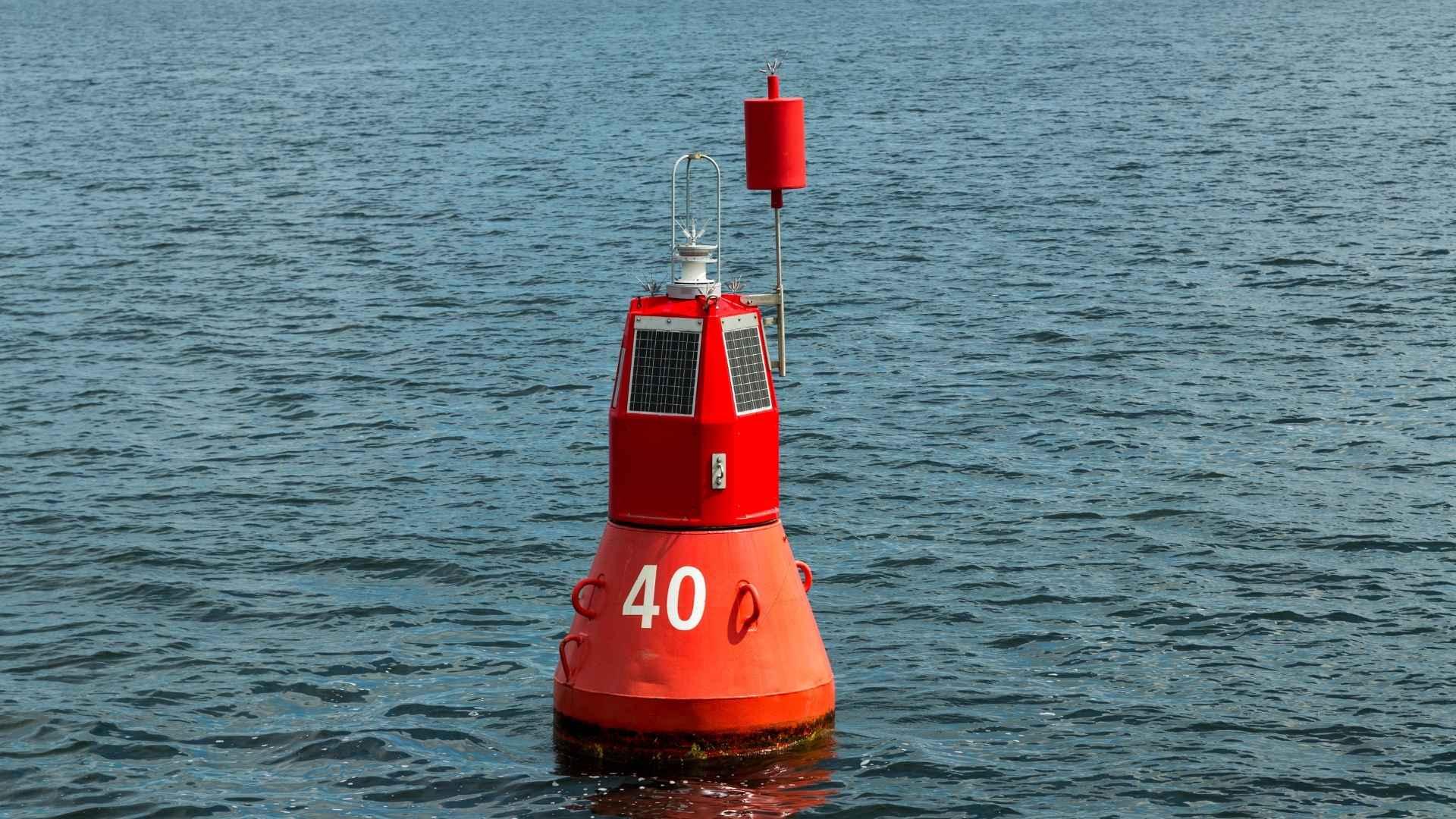
The ocean remains one of the most unpredictable environments on Earth. Shifting weather patterns, sudden mechanical failures, and hidden shoals can turn a routine voyage into a dangerous ordeal. Even with advanced satellite tracking and modern GPS systems, technology alone cannot guarantee a safe return to port.
Strict safety protocols form the ultimate safety net for any vessel. These established routines and procedures remove the guesswork from high-stress situations. When captains and crews follow standardized safety measures, they drastically reduce the risk of accidents and catastrophic losses.
Understanding physical markers in the water is a core component of these safety standards. Modern navigators must memorize the different types of buoy systems to cross-reference their electronic charts. Relying entirely on digital screens without visual verification often leads to preventable groundings and collisions.
This guide explores why comprehensive safety protocols matter more than ever. You will learn how proper use of navigation aids, clear communication, and rigorous emergency preparedness protect both lives and valuable marine assets.
Decoding Vital Navigation Aids
Electronic chart displays revolutionized how mariners plot their courses. However, digital systems can lose power, suffer from satellite interference, or display outdated topographic data. Physical navigation aids serve as a crucial backup system.
Visual Verification Protects Vessels
The Aids to Navigation (ATON) system provides physical proof of safe water. Mariners must actively scan the horizon for channel markers, dayboards, and illuminated beacons. Matching these visual cues with electronic charts confirms the vessel's exact position.
Ignoring these physical markers often leads to disaster. Sandbars shift rapidly after heavy storms, rendering older digital charts inaccurate. By strictly adhering to visual navigation protocols, captains keep their vessels in deep, safe water.
Recognizing Specialized Hazard Markers
Not all markers indicate a safe path forward. Many exist specifically to warn vessels away from isolated dangers. Cardinal marks, for example, show navigators where the deepest water lies relative to a submerged hazard like a shipwreck.
Safety protocols dictate that every bridge officer must understand these specialized symbols perfectly. Hesitation or misinterpretation at a critical moment can result in a breached hull. Continuous study of local charts ensures the crew recognizes these warnings instantly.
Establishing Unbreakable Communication
Clear, concise communication prevents minor misunderstandings from escalating into fatal errors. Whether speaking to another ship or giving orders to the deck crew, navigators must leave no room for ambiguity.
Standardized Radio Procedures
The VHF marine radio acts as the primary lifeline between vessels. Safety protocols require operators to use standard marine terminology at all times. This standardization bridges language barriers and ensures everyone understands the exact nature of a transmission.
Captains must monitor Channel 16 continuously for distress calls and hailing attempts. Once contact is made, operators must switch to a working channel immediately to keep the emergency frequency clear. Strict radio discipline prevents vital distress calls from being drowned out by casual chatter.
Comprehensive Pre-Departure Briefings
Safety on the water begins long before the vessel leaves the dock. Captains must conduct thorough safety briefings with every individual on board. This rule applies to experienced deckhands and first-time passengers alike.
A proper briefing highlights the location of all life jackets, fire extinguishers, and emergency beacons. The captain must also explain how to deploy the life raft and use the radio to call for help. When everyone knows their role, the crew can respond to emergencies with calm precision.
Prioritizing Emergency Preparedness
Hoping for good weather and smooth sailing does not constitute a valid maritime strategy. You must actively prepare for fires, flooding, and medical emergencies. Quick, decisive action saves lives when things go wrong on the water.
Executing Man Overboard Drills
A crew member falling overboard represents a terrifying and time-sensitive emergency. Safety protocols demand that crews practice recovery maneuvers regularly. The person at the helm must instantly know how to execute a Williamson turn or a standard Anderson turn to return to the victim.
One crew member must maintain constant visual contact with the person in the water. They must point continuously at the victim so the captain never loses track of their position among the waves. Throwing a life ring immediately provides the victim with buoyancy and marks the location.
Managing Fire and Flooding
Fires spread with shocking speed on boats due to strong winds and highly flammable materials. Safety protocols dictate exact placement for marine-grade fire extinguishers throughout the vessel. Crews must know how to cut off the fuel supply and electrical power the moment a fire breaks out.
Flooding requires a similarly aggressive response. Damage control protocols ensure that wooden soft plugs, underwater sealants, and high-capacity pumps sit ready for immediate deployment. Assigning specific damage control duties before an emergency happens prevents panic and confusion.
The Role of Continuous Training
A safety protocol only works if the crew remembers

 English
 Arabic
 French
 Portuguese
 Deutsch
 Turkish
 Dutch
Dutch
 Italiano
 Russian
 Romaian
 Portuguese (Brazil)
 Greek
Greek