In today’s rapidly expanding energy infrastructure, the demand for efficient and reliable power transmission systems continues to grow. At the core of these systems lies a critical component: the bare conductor. Widely used in overhead transmission and distribution networks, bare conductors play a vital role in ensuring consistent electrical flow across long distances with minimal loss.
For engineers, EPC contractors, and procurement professionals, selecting the right bare conductor is not just a technical decision it directly impacts project performance, longevity, and cost efficiency. This guide explores the essential aspects of bare conductors, their types, applications, and how choosing the right manufacturer like HNBF Power can solve common industry challenges.
What is a Bare Conductor?
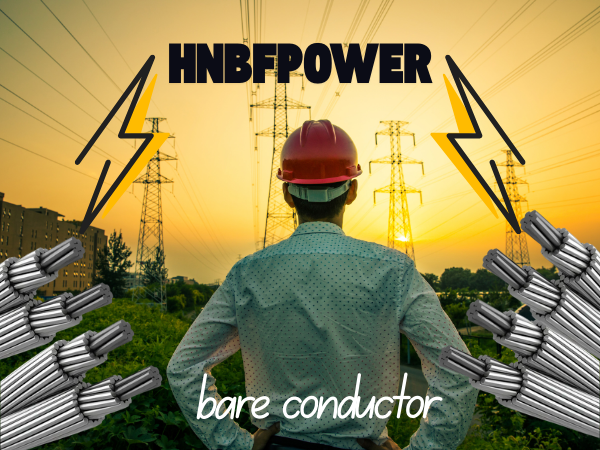
A bare conductor is an electrical conductor without insulation, typically used in overhead power lines. These conductors rely on air as the insulating medium and are designed to carry electrical current efficiently across transmission and distribution networks.
Key Characteristics:
- High electrical conductivity
- Excellent tensile strength
- Resistance to environmental stress
- Cost-effective for long-distance transmission
Bare conductors are widely used in:
- Overhead transmission lines
- Substation busbars
- Rural electrification projects
- Industrial power distribution
Types of Bare Conductors
Understanding different conductor types is essential for selecting the right solution for your project.
1. AAC (All Aluminum Conductor)
AAC conductors are made from pure aluminum strands and are known for their excellent conductivity.
Best for:
- Short-distance transmission
- Urban distribution networks
Limitations:
- Lower mechanical strength compared to reinforced conductors
2. AAAC (All Aluminum Alloy Conductor)
AAAC conductors use aluminum alloy, offering a balance between strength and conductivity.
Advantages:
- Better corrosion resistance
- Higher strength than AAC
- Ideal for coastal and polluted environments
3. ACSR (Aluminum Conductor Steel Reinforced)
ACSR is one of the most widely used bare conductors, combining aluminum strands with a steel core.
Key Benefits:
- High tensile strength
- Suitable for long spans
- Resistance to mechanical stress and wind load
Applications:
- High-voltage transmission lines
- Mountainous or challenging terrains
4. ABC (Aerial Bundled Cable – Insulated Alternative)
While technically insulated, ABC systems are often considered alongside bare conductors for distribution solutions.
Advantages:
- Enhanced safety
- Reduced power theft
- Resistance to environmental interference
Key Challenges in Bare Conductor Selection
Selecting the right bare conductor involves more than just choosing a material. Procurement teams and engineers often face several challenges:
1. Balancing Conductivity and Strength
High conductivity materials like aluminum may lack the mechanical strength needed for long spans, while reinforced options may increase cost.
2. Environmental Conditions
Corrosion, temperature fluctuations, and pollution can significantly affect conductor performance.
3. Installation and Maintenance Costs
Improper conductor selection can lead to higher sag, frequent maintenance, and reduced service life.
4. Compliance with Standards
Meeting international standards (IEC, ASTM, BS) is critical for project approval and operational safety.
How HNBF Power Addresses These Challenges
HNBF Power, as a global manufacturer of overhead conductors and power cables, provides engineered solutions tailored to real-world project demands.
Advanced Manufacturing Capabilities
HNBF Power utilizes high-precision stranding and quality-controlled production processes to ensure consistent conductor performance.
Customized Conductor Design
Whether your project requires high tensile strength for long-span transmission or corrosion-resistant materials for coastal regions, HNBF Power offers tailored solutions.
Strict Quality Assurance
All bare conductors are manufactured in compliance with international standards, ensuring reliability and long-term performance.
Global Supply and Technical Support
With experience serving utilities and EPC contractors worldwide, HNBF Power ensures timely delivery and expert technical guidance throughout the project lifecycle.
Factors to Consider When Choosing a Bare Conductor
To ensure optimal performance, consider the following factors:
Electrical Requirements
- Current carrying capacity
- Voltage level
- Line losses
Mechanical Requirements
- Span length
- Tension and sag characteristics
- Resistance to wind and ice loading
Environmental Conditions
- Coastal vs inland
- Temperature range
- Pollution levels
Cost Efficiency
- Initial investment
- Maintenance cost
- Lifecycle value
Applications of Bare Conductors
Bare conductors are indispensable across various sectors:
- Utility Transmission Networks: High-voltage overhead lines
- Distribution Systems: Medium and low-voltage power delivery
- Industrial Projects: Factories and heavy-load facilities
- Renewable Energy: Solar and wind farm grid connections
Their versatility makes them a preferred choice for both large-scale infrastructure and localized distribution systems.
FAQs About Bare Conductors
1. What is the most commonly used bare conductor type?
ACSR is the most widely used due to its combination of strength and conductivity, making it suitable for long-distance transmission.
2. How do I choose between AAC and AAAC?
AAC is ideal for short distance applications with high conductivity needs, while AAAC is better for environments requiring corrosion resistance and higher strength.
3. Are bare conductors safe?
Yes, when installed correctly with proper clearances and protective measures, bare conductors are safe and widely used in power systems.
4. What standards should bare conductors comply with?
Common standards include IEC, ASTM, and BS, depending on the region and project requirements.
5. Can bare conductors be customized?
Yes, manufacturers like HNBF Power offer customized designs based on project specifications, including size, material, and structure.
Conclusion
Bare conductors remain a cornerstone of modern power transmission and distribution systems. Choosing the right type requires a deep understanding of electrical performance, mechanical strength, and environmental conditions.
By partnering with a trusted manufacturer like HNBF Power, engineers and procurement professionals can overcome common challenges and ensure reliable, cost-effective solutions tailored to their projects.
Get Expert Support from HNBF Power
If you are planning a power transmission or distribution project and need high-quality bare conductor solutions, HNBF Power is ready to assist. Contact the team today to discuss your requirements and receive customized conductor solutions designed for performance, durability, and efficiency.




 English
 Arabic
 French
 Spanish
 Portuguese
 Deutsch
 Turkish
 Dutch
Dutch
 Italiano
 Russian
 Portuguese (Brazil)
 Greek
Greek