


Click Lock Bamboo Flooring Installation: What Homeowners Must Know
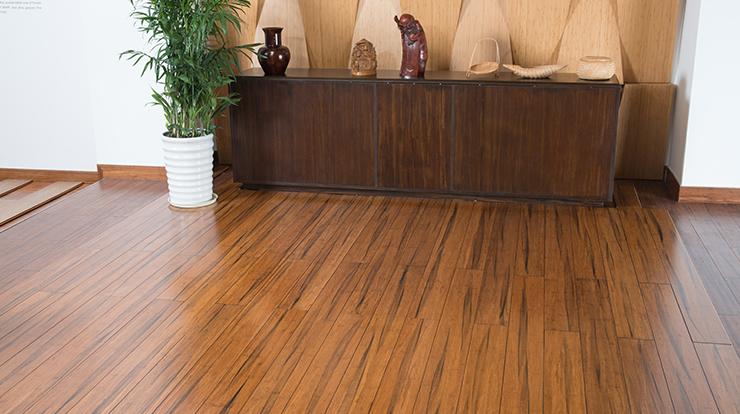
Choosing a new floor involves a lot more than just picking a color that matches your furniture. For many homeowners, bamboo has become a top-tier choice because it strikes a rare balance between environmental sustainability, high durability, and aesthetic versatility. Within the bamboo category, the click lock system—often referred to as a "floating floor"—is the most popular for residential use. It eliminates the need for messy glues or difficult nailing patterns, making it a favorite for those who want a professional look without hiring a massive crew.
However, the simplicity of the "click" can be deceptive. While the physical act of joining planks together is straightforward, the success of the installation depends on a series of technical steps that happen before the first plank even touches the floor. If you are considering this project, understanding the nuances of the material and the specific requirements of a floating system is essential to ensure your floor remains stable and beautiful for decades.
Understanding the Click Lock System
Traditional hardwood flooring usually requires a tongue-and-groove profile that is either nailed down to a plywood subfloor or glued to a concrete slab. Click lock bamboo, however, features a modified profile where the joints are designed to snap together and stay locked under tension. This creates a single, unified "mat" of flooring that sits on top of the subfloor rather than being attached to it.
This "floating" nature is the key to its success and its primary vulnerability. Because the floor is not anchored, it must be allowed to expand and contract as a single unit. Bamboo is a natural grass, and even when processed into planks, it remains hygroscopic. This means it absorbs and releases moisture from the air, causing it to grow or shrink slightly. The click lock design accounts for this movement, provided the homeowner follows the rules regarding expansion gaps and subfloor preparation.
The Critical Phase: Acclimation
One of the most common reasons a bamboo floor fails—characterized by buckling, warping, or gaps—is a lack of proper acclimation. You cannot bring boxes of bamboo home from a climate-controlled warehouse and install them immediately. Your home has its own unique "microclimate" with specific humidity and temperature levels.
The bamboo needs time to reach an equilibrium with its new environment. Most professionals recommend a minimum of 48 to 72 hours, though some high-density strand-woven bamboo products may require a full week. To acclimate the planks correctly, you should:
-
Cross-stack the boxes in the room where they will be installed.
-
Cut open the ends of the boxes or remove the plastic wrapping to allow air to circulate.
-
Ensure your HVAC system is running at normal living conditions (typically between 60-80°F and 35-55% humidity).
Skipping this step is a gamble. If you install "dry" planks in a humid house, they will expand and eventually press against the walls, causing the floor to "peak" in the middle of the room.
Subfloor Preparation and Assessment
The click lock system is only as good as the surface beneath it. Because the floor floats, any dips or bumps in the subfloor will be felt underfoot. You might hear a "clicking" sound when you walk, or feel the floor flex, which can eventually stress the locking joints until they break.
First, the subfloor must be level. Most manufacturers specify that the subfloor should be flat within 3/16 of an inch over a 10-foot radius. If you have a concrete slab with a dip, you will need a self-leveling compound. If you have a plywood subfloor with a high spot, you may need to sand it down.
Second, the subfloor must be clean. Any grit, drywall dust, or debris left behind can cause crunching sounds under the floor or prevent the planks from seating properly.
Third, and perhaps most importantly, the subfloor must be dry. Even if you are using a moisture barrier, a damp concrete slab or a moisture-laden plywood base will eventually wreak havoc on natural bamboo. Use a moisture meter to check the levels. For concrete, a calcium chloride test or an in-situ RH probe is the professional standard. For wood subfloors, the moisture content should be within 2-3% of the bamboo planks themselves.
Choosing the Right Underlayment
Homeowners often view underlayment as an optional add-on, but for click lock bamboo, it is a functional necessity. Underlayment serves three main purposes: moisture protection, sound dampening, and minor leveling.
If you are installing over concrete, a 6-mil poly film moisture barrier is mandatory to prevent vapor from rising into the bamboo. Many modern underlayments combine this moisture film with a foam or cork layer. Cork is an excellent choice for bamboo because it shares similar eco-friendly credentials and offers superior compression resistance. Avoid overly thick, "squishy" foam underlayments; they might feel soft, but they provide too much vertical movement, which puts unnecessary strain on the click-lock joints.
The Installation Process: Step-by-Step Logic
When you are ready to begin, start by measuring the width of the room. A common mistake is starting with a full plank on one side and ending up with a tiny, one-inch sliver on the other. Not only does this look bad, but thin slivers are difficult to lock into place. Calculate your rows beforehand and rip the first row down if necessary to ensure the last row is at least two or three inches wide.
1. The Expansion Gap
You must leave a gap between the bamboo and every fixed vertical surface—walls, door frames, and pipes. Usually, this gap is about 1/2 inch. Use plastic spacers to maintain this distance. This gap will eventually be covered by your skirting boards or baseboards, but it is the "breathing room" the floor needs to stay flat during seasonal changes.
2. The First Row
Start in a corner, usually along the longest exterior wall. Place the planks with the "tongue" side facing the wall (after trimming the tongue off with a saw to ensure a clean edge against the spacers). As you click the ends of the planks together, ensure they are perfectly aligned. If the first row is crooked, the entire room will be off-kilter.
3. Staggering the Joints
For a natural look and structural integrity, you must stagger the end joints of the planks. Avoid "H-joints" (where joints line up in every other row) or "stair-stepping." A good rule of thumb is to ensure that the end joints of adjacent rows are at least 6 to 8 inches apart. This distributes the tension across the floor and prevents the joints from pulling apart over time.
4. The Clicking Technique
Most bamboo click systems require you to insert the long side of the plank at an angle (about 20-30 degrees) into the previous row, then fold it down to lock it. To close the end joints, you might need a tapping block and a rubber mallet. Never hit the bamboo directly with a hammer, as this will damage the fragile locking mechanism. Use a pull bar for the final plank in a row where there isn't enough space for a tapping block.
Navigating Difficult Areas
Doorways and transitions are where a DIY installation is distinguished from a professional one. You should never run a floating floor continuously through multiple rooms without a transition molding (T-molding) in the doorway. Each room has a different humidity level and a different weight of furniture, meaning the floor in the hallway may want to move differently than the floor in the bedroom. If they are connected as one giant piece, they will likely pull apart or buckle at the doorway.
For door casings, do not try to cut the bamboo to fit the shape of the wood trim. Instead, use an undercut saw to trim the bottom of the door casing so the bamboo can slide underneath it. This provides a much cleaner look and allows the floor to move freely.
Strand-Woven vs. Traditional Bamboo
When purchasing your flooring, you will encounter "strand-woven" and "horizontal/vertical" bamboo. This matters immensely for installation. Strand-woven bamboo is made by shredding the fibers and compressing them with resin under extreme heat. It is incredibly dense and hard—often twice as hard as oak.
Because of this density, strand-woven bamboo is more difficult to cut. You will need high-quality carbide-tipped saw blades, and you should expect to go through them faster than you would with traditional wood. It also reacts more slowly to environmental changes, which is why the longer acclimation period mentioned earlier is so important.
Post-Installation and Maintenance
Once the floor is down and the spacers are removed, you can install your skirting boards. Remember to nail the skirting boards to the wall, not to the floor. If you pin the floor down with nails, you defeat the entire purpose of the floating system.
Maintenance for bamboo is similar to hardwood but requires a bit more caution regarding water.
-
Avoid Wet Mopping: Never use a dripping wet mop. Excess water can seep into the click joints and cause the edges to swell.
-
Use pH-Neutral Cleaners: Avoid harsh chemicals or wax-based cleaners. A simple microfiber mop and a cleaner specifically formulated for bamboo or hardwood are best.
-
Manage Sunlight: Bamboo can fade or change color when exposed to intense UV rays. Use curtains or UV-filtering window films in rooms with heavy sun exposure to maintain an even tone across the floor.
-
Furniture Pads: Even though strand-woven bamboo is tough, it is not scratch-proof. Use felt pads under all furniture legs and avoid walking on the floor in spiked high heels.
Long-Term Expectations
A well-installed click lock bamboo floor is a silent, sturdy, and attractive addition to a home. By respecting the material's need for acclimation and the system's need for a level subfloor and expansion gaps, you avoid the pitfalls that lead to floor failure.
Bamboo is a remarkable material. It grows to maturity in about five years, compared to the decades required for oak or maple, making it one of the most renewable resources in the construction industry. When you combine that sustainability with the modern engineering of a click lock system, you get a flooring solution that is both responsible and practical. Taking the time to handle the technical details during the installation process ensures that your investment provides value and comfort for as long as you live in your home.

 English
 Arabic
 French
 Spanish
 Deutsch
 Turkish
 Dutch
Dutch
 Italiano
 Russian
 Romaian
 Portuguese (Brazil)
 Greek
Greek