


Lifeguard Course: A Step-by-Step Guide to Becoming a Certified Lifeguard
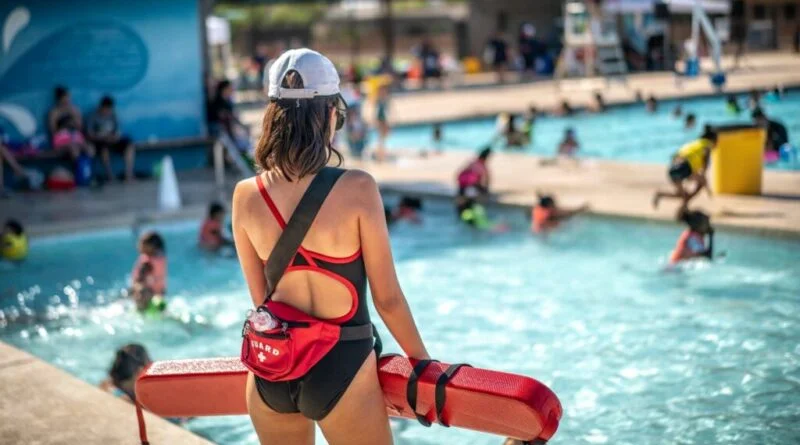
A lifeguard course is an essential training program that teaches individuals the skills necessary to ensure safety in and around aquatic environments. Whether you’re looking to work at a local pool, a beach, or a waterpark, becoming a certified lifeguard is a rewarding way to contribute to public safety. This guide provides a comprehensive overview of what a lifeguard course entails, including the skills you'll learn, how to choose the right course, and the job opportunities available upon certification.
What is a Lifeguard Course?
A lifeguard course is a specialized training program that equips individuals with the skills needed to prevent accidents, respond to emergencies, and perform rescues in aquatic environments. Lifeguards are responsible for monitoring swimmers, ensuring safe practices, and taking action in emergency situations. The course typically includes lessons in:
- Water safety
- Rescue techniques
- CPR (Cardiopulmonary Resuscitation)
- First Aid
- Spinal injury management
- Communication skills
Lifeguard courses are typically provided by accredited organizations such as the American Red Cross, the American Lifeguard Association (ALA), and the YMCA. These organizations ensure that the courses meet high standards and provide the necessary training to help lifeguards respond effectively to emergencies.
Key Components of a Lifeguard Course
While the exact curriculum may vary depending on the training provider, most lifeguard courses will cover the following essential topics:
1. Water Safety and Prevention
- Safety Awareness: The foundation of any lifeguard course begins with learning how to assess and mitigate potential hazards in the water. This includes understanding water conditions, swimming pool safety, and recognizing the behaviors that might lead to accidents.
- Accident Prevention: Lifeguards are trained to identify dangerous situations before they escalate, ensuring that they can take preventive measures to avoid emergencies.
2. Rescue Techniques
- Rescue Methods: A lifeguard's primary responsibility is to respond quickly and effectively to a distressed swimmer. The course teaches various rescue techniques, including how to safely approach and assist individuals in need of help, both in shallow and deep water.
- Water and Land Rescues: Lifeguards are trained in both water-based rescues (e.g., reaching out to a swimmer or swimming out to rescue them) and land rescues (e.g., pulling a victim to safety or using a rescue board).
3. CPR, First Aid, and AED Training
- CPR (Cardiopulmonary Resuscitation): One of the most critical skills a lifeguard can possess is the ability to perform CPR. This section of the course teaches the proper technique for providing chest compressions and rescue breathing to victims who have stopped breathing or whose heart has stopped.
- First Aid: Lifeguards are also trained in basic first aid, including how to treat minor injuries like cuts, burns, and sprains, as well as more serious injuries such as broken bones or head trauma.
- AED Use: Automated External Defibrillators (AEDs) are essential tools for reviving individuals in cardiac arrest. Lifeguards learn how to properly operate an AED and apply it during an emergency situation.
4. Spinal Injury Management
- Managing Spinal Injuries: Lifeguards need to be able to quickly and safely respond to potential spinal injuries. Courses teach how to stabilize an injured person’s head, neck, and spine while performing rescues, ensuring minimal movement to prevent further injury.
5. Communication and Teamwork
- Clear Communication: Lifeguards must be able to communicate effectively with swimmers, other lifeguards, and emergency responders. The course emphasizes clear, concise communication during emergencies.
- Teamwork: Lifeguards often work as part of a team, especially in larger pools or beaches. Training in teamwork and coordination ensures that lifeguards can collaborate effectively during an emergency response.
6. Physical Fitness
- Endurance Testing: Lifeguards must be physically fit to handle the demands of the job. A significant portion of the lifeguard course involves physical assessments, such as timed swims and rescue simulations, to ensure that trainees are up to the physical demands of the job.
Lifeguard Course Certification
Upon successful completion of the lifeguard course, trainees typically receive a certification that is valid for two years. This certification demonstrates that the individual has met the necessary requirements for lifeguarding and has acquired the knowledge and skills needed to perform rescues and respond to emergencies.
Certification Requirements:
- Age: Trainees must typically be at least 15 years old to enroll in a lifeguard course.
- Swimming Skills: A swimming proficiency test is often required at the start of the course. This may include swimming a certain distance or completing a timed swim.
- Written and Practical Exams: To obtain certification, participants must pass both a written test (assessing their knowledge of safety, CPR, first aid, etc.) and a practical exam (demonstrating their ability to perform rescues and other lifeguard duties).
- CPR and First Aid: A CPR and First Aid certification is typically required, and it may be part of the lifeguard course itself or offered as a separate course.
Where to Take a Lifeguard Course?
There are various organizations in the United States that offer lifeguard courses, including:
1. American Red Cross
- The American Red Cross is one of the most recognized and trusted providers of lifeguard certification in the U.S. Their courses include training in CPR, first aid, water rescue techniques, and more. They offer both in-person and blended learning options (a combination of online and in-person training).
2. YMCA
- The YMCA offers lifeguard certification courses that emphasize water safety and community-focused lifeguarding. These courses are available at YMCA locations across the U.S., and they provide both certification and re-certification opportunities.
3. American Lifeguard Association (ALA)
- The American Lifeguard Association (ALA) is another highly respected organization offering lifeguard training. Known for its emphasis on hands-on experience and real-world simulations, ALA provides lifeguard training across the U.S. The ALA's training program is designed to prepare lifeguards for the dynamic challenges they will face in the field.
Job Opportunities After Lifeguard Certification
Once you’ve completed a lifeguard course and obtained certification, you’ll be eligible for a variety of job opportunities. Certified lifeguards can work in numerous aquatic settings, including:
1. Public Pools
- Local public pools often hire lifeguards during the summer months, making this an ideal job for students or individuals seeking seasonal employment.
2. Beaches
- Coastal areas, especially in states like California, Florida, and Hawaii, require lifeguards to ensure swimmer safety at beaches. This is a great option for those who enjoy working outdoors and near the water.
3. Waterparks
- Waterparks, such as those at Disney resorts or Six Flags, hire lifeguards to ensure safety on water slides and in pools. These environments often offer full-time positions with opportunities for advancement.
4. Resorts and Hotels
- Many luxury resorts and hotels need lifeguards for their pools and aquatic amenities. This can be a great way to combine lifeguarding with customer service in a hospitality setting.
5. Summer Camps
- Summer camps often seek certified lifeguards to oversee water activities, providing an excellent opportunity to work with children while gaining valuable experience.
Conclusion
A lifeguard course is the essential first step in becoming a certified lifeguard and gaining the skills necessary to ensure the safety of others in aquatic environments. By completing a lifeguard course, you will be prepared to respond effectively to emergencies, prevent accidents, and contribute to the overall safety of pools, beaches, and waterparks. With numerous job opportunities available across the United States, becoming a certified lifeguard opens the door to a rewarding and fulfilling career.
Author Bio:
Arlo Booker is an expert in aquatic safety and a certified lifeguard instructor with over 12 years of experience training individuals in water safety and emergency response. He has worked with top organizations like the American Lifeguard Association and the American Red Cross, training lifeguards to perform at their best in challenging environments. John is dedicated to promoting safety and awareness in aquatic settings across the country.

 English
 Arabic
 French
 Spanish
 Portuguese
 Deutsch
 Dutch
Dutch
 Italiano
 Russian
 Romaian
 Portuguese (Brazil)
 Greek
Greek