


Venous Leak: Causes, Symptoms, Diagnosis, and Treatment
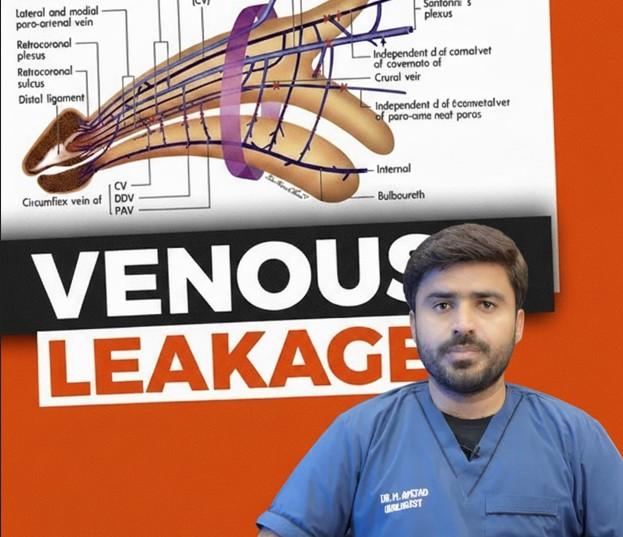
Venous leak, medically known as Venogenic Erectile Dysfunction, is a significant but often misunderstood cause of erectile dysfunction (ED) in men. While many people associate ED with poor blood flow into the penis, venous leak is actually a problem with blood staying inside the penis, making it difficult to maintain a firm erection.
This comprehensive article explores venous leak in detail—its causes, symptoms, diagnosis, treatment options, and long-term outlook.
What is Venous Leak?
Venous leak is a condition where the veins in the penis fail to properly trap blood during an erection. Normally, when a man becomes sexually aroused, blood flows into the penis and is trapped there by compressed veins, creating firmness.
However, in venous leak:
- Blood enters the penis normally
- But leaks out too quickly through the veins
- Resulting in weak or short-lived erections
This condition falls under a broader category of Erectile Dysfunction.
How an Erection Works (Simple Explanation)
To understand venous leak, it's helpful to know how erections normally occur:
- Sexual stimulation triggers nerve signals
- Blood flows into penile chambers (corpora cavernosa)
- Veins compress to trap blood
- Pressure builds, creating an erection
In venous leak:
- Step 3 fails → veins don’t compress properly
- Blood escapes → erection cannot be maintained
Causes of Venous Leak
Venous leak can occur due to a variety of physical and psychological factors. Common causes include:
1. Structural Problems
Damage or weakness in penile tissues can prevent proper vein compression.
- Injury to the penis
- Congenital abnormalities
- Aging-related tissue changes
2. Vascular Disorders
Conditions affecting blood vessels may contribute:
- Atherosclerosis
- High blood pressure
- Diabetes
3. Nerve Damage
Proper nerve signaling is essential for erection:
- Spinal cord injuries
- Pelvic surgery complications
4. Hormonal Imbalance
Low levels of Testosterone may worsen erectile issues.
5. Psychological Factors
Although venous leak is primarily physical, mental health can worsen symptoms:
- Stress
- Anxiety
- Performance pressure
Symptoms of Venous Leak
The primary symptom is difficulty maintaining an erection. However, patients may experience:
- Erection that is firm initially but fades quickly
- Difficulty maintaining erection during intercourse
- Reduced sexual confidence
- Anxiety related to performance
Unlike some other forms of ED, men with venous leak often:
- Can achieve erection
- But cannot sustain it
How Venous Leak is Diagnosed
Proper diagnosis is essential because treatment differs from other ED causes.
1. Medical History & Physical Exam
Doctors assess:
- Sexual history
- Lifestyle habits
- Underlying health conditions
2. Penile Doppler Ultrasound
This is the most important test.
- Measures blood flow into and out of the penis
- Identifies leakage in veins
3. Cavernosography
A specialized imaging test that visualizes venous leakage.
4. Blood Tests
To check:
- Hormone levels
- Diabetes
- Cholesterol
Treatment Options for Venous Leak
Treatment depends on severity and underlying cause. Options range from medication to surgery.
1. Oral Medications
Drugs like Sildenafil and Tadalafil are commonly used.
How they help:
- Improve blood flow into the penis
- Enhance erection strength
Limitations:
- May not fully work in severe venous leak cases
2. Vacuum Erection Devices (VED)
A non-invasive method:
- A pump creates suction
- Draws blood into the penis
- A ring traps blood to maintain erection
Pros:
- Safe and effective
- No medication required
3. Penile Injections
Medications are injected directly into the penis:
- Increase blood flow
- Improve erection rigidity
Common drugs:
- Alprostadil
Effectiveness:
- High success rate
- Works even when oral meds fail
4. Hormone Therapy
If low testosterone is detected, doctors may recommend:
- Testosterone replacement therapy (TRT)
This improves:
- Libido
- Energy
- Erectile function (in some cases)
5. Lifestyle Changes
Lifestyle plays a major role in vascular health.
Recommended changes:
- Quit smoking
- Exercise regularly
- Maintain healthy weight
- Control diabetes and blood pressure
6. Venous Leak Surgery
In severe cases, surgery may be considered.
Types of Surgery:
- Venous ligation (tying off leaking veins)
- Penile implants (prosthesis)
Penile Implants:
- Provide a permanent solution
- High satisfaction rates
However:
- Surgery is usually the last option
- Results can vary
Is Venous Leak Curable?
Venous leakage is often manageable rather than fully curable.
- Mild cases → improved with medication and lifestyle
- Moderate cases → need combination therapy
- Severe cases → may require implants
Early diagnosis improves outcomes significantly.
Psychological Impact of Venous Leak
Beyond physical symptoms, venous leak can affect:
- Self-esteem
- Relationships
- Mental health
Men may develop:
- Performance anxiety
- Depression
- Avoidance of intimacy
Counseling or sex therapy can be helpful alongside medical treatment.
Prevention Tips
While not all cases can be prevented, risk can be reduced by:
- Maintaining cardiovascular health
- Avoiding smoking and alcohol abuse
- Managing chronic diseases
- Staying physically active
When to See a Doctor
Consult a doctor if:
- Erections are consistently weak or short-lived
- Symptoms persist for more than a few weeks
- ED is affecting mental health or relationships
Early intervention can prevent worsening of the condition.
Myths About Venous Leak
Myth 1: It only affects older men
Reality: Younger men can also develop venous leak.
Myth 2: It is purely psychological
Reality: It is primarily a physical vascular condition.
Myth 3: Medication always fixes it
Reality: Severe cases may need advanced treatments.
Future Treatments and Research
Medical science continues to explore new options, including:
- Stem cell therapy
- Platelet-rich plasma (PRP)
- Regenerative medicine approaches
Though promising, these are still under research and not widely approved.
Final Thoughts
Venous leak is a complex but treatable condition that affects many men worldwide. Understanding its causes and seeking proper medical care can significantly improve quality of life.
Key takeaways:
- It is a vascular issue, not just psychological
- Diagnosis requires specialized testing
- Multiple treatment options are available
- Early treatment leads to better outcomes
If you suspect symptoms of venous leak, consulting a qualified healthcare professional is the first step toward recovery and confidence.

 English
 Arabic
 French
 Spanish
 Portuguese
 Deutsch
 Dutch
Dutch
 Italiano
 Russian
 Romaian
 Portuguese (Brazil)
 Greek
Greek