Mental health treatment has evolved significantly over the last decade, offering patients more advanced and personalized solutions than ever before. Among the most promising breakthroughs is Transcranial Magnetic Stimulation, commonly known as TMS Therapy. For individuals struggling with depression and other mental health conditions who have not found relief through medication or traditional therapy, TMS Therapy is opening new doors to recovery.
At Boston Neurobehavioral Associates, patients receive evidence-based psychiatric care designed to address complex emotional and behavioral health concerns. TMS Therapy has become one of the most effective non-invasive treatment options for improving mental wellness while minimizing side effects commonly associated with medications.
Understanding TMS Therapy
TMS Therapy is a non-invasive treatment that uses magnetic pulses to stimulate specific areas of the brain associated with mood regulation. It is primarily used to treat major depressive disorder, especially in patients who have not responded well to antidepressants.
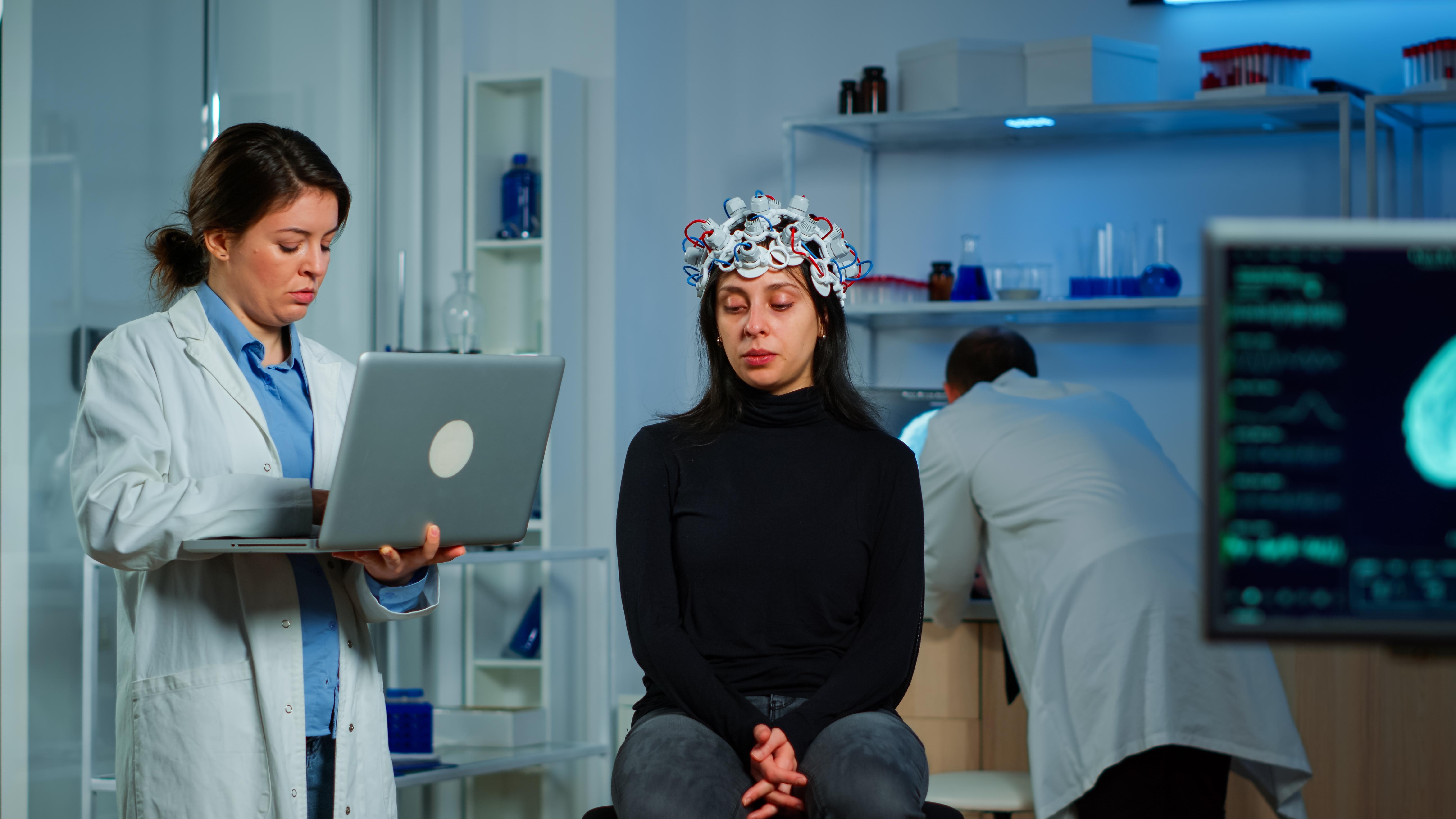
Unlike medications that circulate throughout the body, TMS Therapy directly targets underactive areas of the brain responsible for depression symptoms. During treatment, a magnetic coil is placed gently against the patient’s scalp, delivering painless magnetic pulses that activate nerve cells in the brain.
The procedure does not require anesthesia, surgery, or sedation, making it a convenient outpatient option for many patients seeking effective mental health treatment.
Why TMS Therapy Is Gaining Popularity
One of the main reasons TMS Therapy is becoming increasingly popular is its effectiveness for treatment-resistant depression. Many individuals spend years trying different medications without achieving lasting relief. TMS Therapy provides an alternative approach that focuses directly on brain activity rather than chemical changes alone.
Several factors contribute to the growing demand for TMS Therapy:
Non-Invasive Treatment
TMS Therapy does not involve surgery or implanted devices. Patients remain awake and alert during sessions and can return to daily activities immediately afterward.
Minimal Side Effects
Traditional antidepressants can cause weight gain, fatigue, nausea, sexual dysfunction, or emotional numbness. TMS Therapy typically produces mild side effects such as temporary scalp discomfort or headache, which often improve after the first few sessions.
Proven Clinical Success
Clinical studies have demonstrated significant improvement in depressive symptoms among patients receiving TMS Therapy. Many individuals experience better mood stability, increased energy, improved concentration, and greater overall functioning.
Personalized Care
At Boston Neurobehavioral Associates, treatment plans are customized to meet each patient’s unique mental health needs. This individualized approach helps improve long-term outcomes and supports sustained emotional wellness.
Conditions That May Benefit From TMS Therapy
Although TMS Therapy is best known for treating depression, research continues to explore its effectiveness for other mental health conditions. Depending on the patient’s diagnosis and medical history, healthcare providers may recommend TMS Therapy for:
- Major depressive disorder
- Anxiety disorders
- Obsessive-compulsive disorder (OCD)
- Post-traumatic stress disorder (PTSD)
- Bipolar depression
- Chronic pain syndromes
Mental health specialists carefully evaluate each patient before determining whether TMS Therapy is an appropriate treatment option.
How TMS Therapy Works
The brain communicates through electrical signals between nerve cells. In individuals with depression, certain regions of the brain may show decreased activity. TMS Therapy uses electromagnetic stimulation to reactivate these underperforming neural pathways.
A standard treatment course usually includes sessions five days per week for several weeks. Each session typically lasts between 20 and 40 minutes, depending on the treatment protocol.
Many patients begin noticing improvements after several weeks of consistent treatment. Over time, repeated stimulation helps strengthen healthier patterns of brain activity associated with improved emotional regulation.
Benefits Beyond Depression Relief
TMS Therapy offers benefits that extend beyond reducing depressive symptoms. Many patients report improvements in overall quality of life, including:
Better Cognitive Function
Patients often experience enhanced focus, concentration, and memory after treatment.
Increased Energy Levels
Reduced fatigue and greater motivation can help individuals return to work, school, or personal activities they previously struggled to manage.
Improved Sleep Patterns
Mental health conditions frequently disrupt healthy sleep cycles. TMS Therapy may help regulate sleep and improve overall restfulness.
Enhanced Emotional Stability
By improving brain function, TMS Therapy may help patients manage stress, emotional reactions, and daily challenges more effectively.
What Patients Can Expect During Treatment
One of the most appealing aspects of TMS Therapy is its simplicity and convenience. Patients typically attend sessions in a comfortable clinical setting without needing hospitalization.
During treatment:
- The patient sits comfortably in a treatment chair.
- A magnetic coil is positioned near the scalp.
- Magnetic pulses are delivered to targeted brain areas.
- The patient remains awake and responsive throughout the session.
Most patients tolerate the treatment very well and can resume normal activities immediately afterward, including driving, working, or attending school.
Is TMS Therapy Safe?
TMS Therapy is considered a safe and FDA-cleared treatment for depression. It has undergone extensive clinical testing and continues to be widely used by mental health professionals across the country.
The most common side effects are mild and temporary. Serious complications are rare when treatment is administered by trained professionals.
At Boston Neurobehavioral Associates, patient safety remains a top priority. Comprehensive evaluations help ensure that TMS Therapy is appropriate for each individual before treatment begins.
Who Is a Good Candidate for TMS Therapy?
TMS Therapy may be recommended for adults who:
- Have not responded well to antidepressant medications
- Cannot tolerate medication side effects
- Prefer a non-drug treatment option
- Continue experiencing depression symptoms despite psychotherapy
A complete psychiatric assessment helps determine whether TMS Therapy aligns with the patient’s medical history, symptoms, and treatment goals.
The Future of Mental Health Treatment
As awareness of mental health continues to grow, innovative treatments like TMS Therapy are reshaping how depression and related conditions are managed. More healthcare providers are integrating advanced neurostimulation therapies into comprehensive psychiatric care plans to help patients achieve lasting improvement.
The future of mental health care increasingly focuses on personalized, evidence-based solutions that address the root causes of emotional distress. TMS Therapy represents a major step forward in this movement, offering hope to individuals who previously felt limited by traditional treatment options.
Final Thoughts
Mental health challenges can significantly affect every aspect of life, from relationships and work performance to physical well-being and self-confidence. For individuals struggling with persistent depression or other mood disorders, TMS Therapy provides a scientifically supported path toward recovery.
With expert care from Boston Neurobehavioral Associates, patients can access advanced treatment options tailored to their unique needs. TMS Therapy continues to change lives by helping individuals regain emotional balance, improve daily functioning, and move forward with renewed hope and confidence.




 English
 French
 Spanish
 Portuguese
 Deutsch
 Turkish
 Dutch
Dutch
 Italiano
 Russian
 Romaian
 Portuguese (Brazil)
 Greek
Greek