


A Guide To Backyard Patio Design Ideas That Improve Outdoor Living Across Seattle
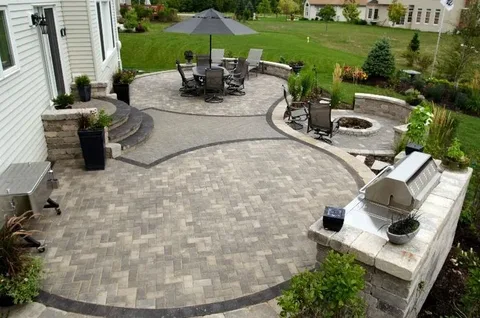
Outdoor patios continue to shape how homeowners use backyard spaces throughout the year. Many property owners now focus on durable surfaces, proper drainage, and layouts that support gatherings without creating high maintenance demands. In regions with frequent rainfall, patio construction also requires attention to grading and material performance. Economy Landscaping works with homeowners seeking outdoor spaces that balance comfort, drainage control, and long-term durability in changing weather conditions.
Key Takeaways
-
Patio durability depends heavily on drainage and base preparation.
-
Surface materials influence maintenance and weather resistance.
-
Outdoor layouts should support movement and furniture placement.
-
Proper edging helps reduce shifting and weed growth over time.
-
Seasonal cleaning extends the lifespan of patio installations.
According to the National Association of Realtors, outdoor living improvements remain among the most desired residential upgrades because they increase functional space without requiring major structural additions. Homeowners increasingly prioritize outdoor seating areas, fire features, and low-maintenance hardscaping that performs well during wet seasons.
Why Patio Planning Matters Before Installation
Patio construction involves more than selecting attractive stone or concrete finishes. The overall layout affects drainage, safety, and long-term surface stability. Without proper planning, patios may develop pooling water, uneven settling, or shifting edges within a few years.
Contractors often begin by evaluating soil conditions and water flow around the property. In regions with regular rainfall, compacted gravel foundations and slope adjustments help direct water away from the home. These preparation steps usually determine whether the finished patio remains level and structurally sound over time.
Outdoor traffic patterns also influence patio size and shape. Spaces designed for dining, cooking, or entertaining require enough room for furniture movement and walking clearance. Smaller patios can still feel functional when seating areas remain proportionate to the available yard space.
Popular Materials Used for Backyard Patios
Homeowners often compare materials based on appearance, durability, and maintenance requirements. Concrete pavers remain a common option because they resist cracking better than poured slabs in areas with moisture fluctuations. Natural stone surfaces also attract homeowners seeking more variation in texture and color.
Brick patios continue to appeal to traditional home designs, though these surfaces may require occasional leveling as the ground shifts. Composite materials and porcelain pavers have also become more common due to their resistance to fading and water absorption.
Material Features Many Homeowners Consider
-
Concrete pavers support flexible layout patterns.
-
Natural stone creates varied texture and visual depth.
-
Brick surfaces complement traditional architectural styles.
-
Porcelain pavers resist staining and moisture absorption.
-
Gravel borders improve drainage around patio edges.
Research from landscape industry reports shows that hardscape projects consistently rank among the top outdoor investments because they reduce lawn maintenance while increasing usable outdoor living space. Patios also contribute to stronger curb appeal when integrated with walkways and landscape lighting.
Drainage and Weather Protection Considerations
Rainfall patterns create unique challenges for outdoor surfaces in many Pacific Northwest neighborhoods. Poor drainage can shorten patio lifespan and create slippery conditions around seating areas. Because of this, contractors frequently install compacted aggregate layers beneath patio surfaces to support water movement below the finished structure.
Permeable paver systems have become more common because they allow water to pass between joints instead of collecting on the surface. These systems help reduce runoff while limiting erosion near foundations and landscaping features.
Midway through outdoor renovation planning, many homeowners researching Paver patios in Seattle, WA prioritize drainage performance alongside appearance. This focus often leads to better long-term results because water management directly affects structural stability and maintenance needs.
Outdoor Features That Improve Patio Functionality
Patios now serve multiple purposes beyond simple seating areas. Many homeowners include integrated lighting, retaining walls, and shade structures to improve comfort throughout different seasons. Built-in seating can also maximize usable space while reducing clutter from bulky furniture.
Fire pits remain popular additions because they extend patio use into cooler evenings. However, placement requires careful planning to maintain safe clearance from structures and landscaping materials. Some homeowners also install covered pergolas to reduce direct rainfall exposure during wetter months.
Outdoor Features Often Added During Patio Projects
-
Low-voltage lighting along pathways and borders.
-
Fire features designed for evening gatherings.
-
Pergolas for shade and weather protection.
-
Retaining walls for sloped properties.
-
Seating walls that reduce furniture crowding.
Landscape integration also affects the overall appearance of patio spaces. Shrubs, ornamental grasses, and raised planting beds soften hardscape edges while improving visual balance throughout the yard.
Maintenance Habits That Extend Patio Lifespan
Even durable patio systems require regular maintenance to preserve appearance and structural integrity. Organic debris, standing water, and weed growth gradually weaken surface joints when ignored for extended periods. Seasonal sweeping and occasional pressure washing help maintain cleaner surfaces.
Polymeric sand between pavers also requires periodic inspection because rainfall and foot traffic slowly wear down joint material. Reapplying stabilizing sand helps prevent shifting and reduces weed growth between pavers.
Sealing surfaces may also improve stain resistance, particularly around dining areas or fire features. However, sealants should match the specific material type because improper products can trap moisture beneath the surface.
Important Factors Before Starting Construction
Budget planning remains one of the most important parts of outdoor renovation projects. Costs vary depending on excavation depth, material selection, access limitations, and drainage requirements. Homeowners with sloped yards may require retaining structures or additional grading before patio installation begins.
Permit requirements can also influence project timelines. Some municipalities require approvals for retaining walls, drainage modifications, or covered structures attached to homes. Reviewing local regulations early prevents delays during construction.
Key Considerations Before Choosing a Patio Design
-
Yard slope and existing drainage conditions.
-
Long-term maintenance expectations for surface materials.
-
Furniture spacing and intended patio usage.
-
Sun exposure throughout different seasons.
-
Compatibility with surrounding landscaping features.
Property owners should also consider how patios connect with walkways, driveways, and entry points. Cohesive design choices generally create better visual flow and improve overall outdoor usability.
Common Questions Homeowners Often Ask
Many homeowners ask whether patios increase property value. Outdoor living improvements often improve buyer interest because they expand functional gathering areas while reducing lawn upkeep requirements.
Another frequent question involves winter durability. Properly installed paver systems generally handle seasonal moisture better than large poured concrete slabs because individual units shift more naturally with ground movement.
Homeowners also wonder whether sealing is necessary after installation. While some materials benefit from sealing, others perform well without it. Surface type, moisture exposure, and maintenance expectations usually determine whether sealing adds long-term value.
Frequently Asked Questions
How long do paver patios usually last?
Well-installed paver patios can last several decades when supported by proper drainage, compacted foundations, and regular maintenance.
Which patio materials handle rainfall best?
Concrete pavers, porcelain surfaces, and permeable systems generally perform well in wet climates because they support drainage and resist moisture damage.
Do patios require regular maintenance?
Most patios require seasonal cleaning, occasional weed control, and periodic joint sand replacement to maintain appearance and stability.
Can patios work on sloped properties?
Yes, contractors often use retaining walls and grading adjustments to create level patio spaces on uneven terrain.
What causes patio pavers to shift over time?
Poor base preparation, water erosion, and worn joint material commonly contribute to shifting or uneven patio surfaces.
Outdoor Patio Planning and Installation Support
Well-designed patios improve outdoor comfort, support better drainage, and create more functional backyard living areas throughout the year. Homeowners planning hardscape improvements benefit from experienced installation methods, quality materials, and layouts tailored to long-term durability. Professional planning also helps reduce structural issues caused by moisture exposure or unstable foundations. Contact the team today to discuss patio layouts, hardscape upgrades, drainage solutions, and customized outdoor designs that complement residential landscapes while improving everyday outdoor use.

 English
 Arabic
 French
 Spanish
 Portuguese
 Deutsch
 Turkish
 Dutch
Dutch
 Russian
 Romaian
 Portuguese (Brazil)
 Greek
Greek