


Is Hidradenitis Suppurativa Contagious?
Key Takeaways
-
Hidradenitis Suppurativa is a chronic inflammatory skin condition, not an infection.
-
HS is not contagious, meaning it cannot spread through touch, sharing items, or close contact.
-
The condition develops due to blocked hair follicles, immune system dysfunction, hormones, and genetic factors, not bacteria from other people.
-
Although HS lesions may contain bacteria, these are secondary and not the cause of the disease.
-
HS commonly affects areas where skin rubs together, such as the underarms, groin, and under the breasts.
-
The condition can appear in multiple body areas over time, but this is due to internal factors—not person-to-person spread.
-
Misconceptions about HS being contagious often lead to unnecessary stigma and emotional distress.
-
Proper medical care, lifestyle changes, and early treatment can help manage symptoms and reduce flare-ups.
-
Education about HS is essential to improve awareness and support for those living with the condition.
Hidradenitis Suppurativa (HS) is a chronic skin condition that often causes painful lumps, abscesses, and tunnels under the skin. Because of how it looks and sometimes how it spreads across areas of the body, many people worry about whether it can pass from person to person. In some cases, symptoms may also appear in less common areas such as hidradenitis suppurativa on the face, which can increase concern and confusion about its nature.
The short and clear answer is: No, Hidradenitis Suppurativa is not contagious. You cannot catch it from touching, sharing items, or being close to someone who has it.
In this blog, we’ll explain what HS is, why it is not contagious, what actually causes it, and how to manage it effectively.
What Is Hidradenitis Suppurativa?
Hidradenitis Suppurativa is a long-term inflammatory skin condition that affects areas where skin rubs together, such as:
-
Underarms
-
Groin
-
Buttocks
-
Under the breasts
-
Inner thighs
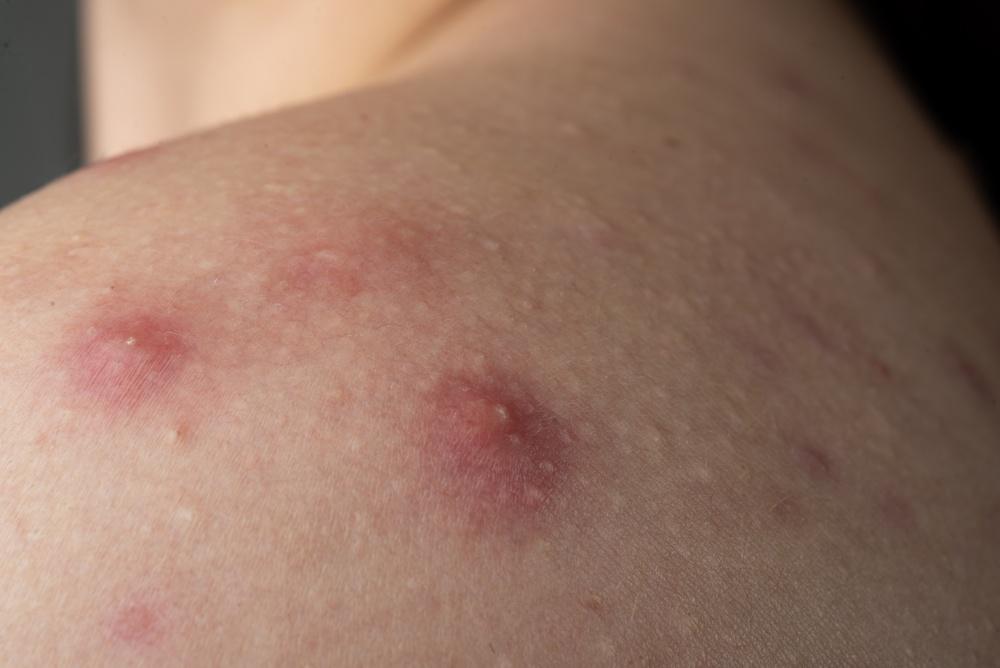
It starts as small, painful lumps that may look like pimples or boils. Over time, these lumps can grow, break open, and sometimes form tunnels under the skin (called sinus tracts). These lesions can heal slowly and may leave scars.
HS often comes and goes in flare-ups, making it unpredictable and emotionally challenging for many people.
Is Hidradenitis Suppurativa Contagious?
No, HS is not contagious in any way.
You cannot get it by:
-
Touching someone who has HS
-
Sharing towels, clothes, or razors
-
Sitting close to or living with someone who has HS
-
Contact with pus or fluid from HS lesions
Even though HS lesions may contain bacteria, the condition itself does not spread like an infection.
This is one of the most important facts to understand because many people mistakenly assume HS is caused by poor hygiene or something infectious. That is not true.
Why Hidradenitis Suppurativa Is Not an Infection
To understand why HS is not contagious, it helps to know what it actually is.
HS is primarily an inflammatory condition, not an infectious one. It develops when hair follicles become blocked and the immune system responds in an exaggerated way, leading to inflammation.
Key points:
-
HS is linked to follicle blockage, not a spreading germ
-
The immune system plays a major role in inflammation
-
Bacteria may appear later, but they are secondary—not the cause
-
It is influenced by genetics, hormones, and lifestyle factors
So, while bacteria can sometimes be found in HS lesions, they do not cause the disease or make it spread to others.
What Causes Hidradenitis Suppurativa?
The exact cause of HS is not fully understood, but researchers believe several factors contribute:
1. Genetics
HS often runs in families. If a close relative has it, your risk may be higher.
2. Immune System Dysfunction
The immune system becomes overactive and triggers inflammation in hair follicles.
3. Hormones
HS often starts after puberty, suggesting hormones may play a role in flare-ups.
4. Blocked Hair Follicles
The condition begins when hair follicles become clogged and rupture.
5. Lifestyle and Triggers
Certain factors can worsen symptoms, including:
-
Smoking
-
Excess weight
-
Friction from tight clothing
-
Stress
Importantly, none of these causes involve infection from another person.
Why People Think HS Is Contagious
There are a few reasons for this common misunderstanding:
1. Appearance of Lesions
HS can look like boils or infected abscesses, which are often associated with infectious conditions.
2. Presence of Drainage
Fluid or pus from lesions may look concerning, leading people to assume it is infectious.
3. Odor and Chronic Nature
In advanced cases, drainage may have an odor, which can increase stigma and misunderstanding.
4. Misdiagnosis in Early Stages
HS is sometimes mistaken for bacterial infections, especially early on.
Despite these similarities, HS behaves very differently from contagious skin infections.
Can HS Spread on the Body?
HS can appear in multiple areas of the body over time, but this is not the same as spreading through infection.
Instead, it develops in new areas due to:
-
Underlying inflammation
-
Skin friction
-
Hair follicle blockage
-
Immune system activity
So while symptoms may expand to new sites, it is not “spreading” from one lesion to another like a virus or bacteria.
Living with Hidradenitis Suppurativa
Since HS is not contagious, there is no need to isolate or avoid contact with others. However, managing symptoms is important for comfort and quality of life.
Common management strategies include:
Medical Treatments
-
Topical or oral antibiotics
-
Anti-inflammatory medications
-
Hormonal therapy (in some cases)
-
Biologic treatments for moderate to severe HS
Lifestyle Adjustments
-
Wearing loose, breathable clothing
-
Avoiding skin friction
-
Maintaining a healthy weight
-
Quitting smoking
-
Managing stress levels
Advanced Options
In severe cases, surgical removal of affected tissue may be recommended.
Early diagnosis and treatment can significantly reduce flare-ups and scarring.
Emotional Impact and Stigma
Even though HS is not contagious, many patients experience social stigma due to misunderstanding of the condition.
People may wrongly assume:
-
It is caused by poor hygiene
-
It is infectious
-
It is something “dirty” or avoidable
These misconceptions can lead to embarrassment, isolation, and emotional distress.
Education is key to reducing stigma and supporting individuals living with HS.
Can You Live Normally With HS?
Yes. Many people with HS lead full, active lives with proper management.
Understanding that HS is not contagious helps:
-
Reduce fear in relationships
-
Improve workplace comfort
-
Encourage social confidence
-
Support mental well-being
With the right care plan, symptoms can often be controlled effectively.
Conclusion
Hidradenitis Suppurativa is a chronic inflammatory skin condition, not an infection. That means it cannot be passed from person to person, no matter how close the contact.
While HS can be painful and challenging, it is important to separate fact from misconception. Understanding that it is not contagious helps reduce stigma and encourages better support for those living with the condition.
If you or someone you know is experiencing symptoms, early medical evaluation can help in managing the condition more effectively and improving quality of life. For those interested in advancing research and exploring potential new treatment options, you may also consider opportunities to join a hidradenitis suppurativa study.

 English
 Arabic
 French
 Spanish
 Portuguese
 Deutsch
 Turkish
 Dutch
Dutch
 Italiano
 Russian
 Romaian
 Portuguese (Brazil)