


The Complete Guide to Building a Successful BlaBlaCar Clone App in 2026
The shared mobility industry continues to transform the way people travel. Rising transportation costs, growing environmental awareness, and the demand for convenient travel options have accelerated the adoption of carpooling solutions across global markets. Entrepreneurs and startups are increasingly exploring opportunities in the ride-sharing ecosystem to build scalable and sustainable businesses.
A BlaBlaCar Clone App provides businesses with an opportunity to enter this rapidly expanding market with a proven business model and a technology-driven platform that connects drivers with passengers traveling in the same direction. Instead of building a mobility platform from scratch, businesses can launch faster while focusing on market expansion and customer acquisition.
As shared transportation becomes a preferred option in urban and intercity travel, companies that invest in a modern mobility platform can position themselves as leaders in the evolving transportation landscape.
Why the Global Demand for Carpooling Solutions Is Growing
Transportation habits are changing significantly across the world. Consumers are looking for affordable, convenient, and environmentally friendly alternatives to traditional transportation methods.
Several factors are contributing to this shift:
- Increasing fuel prices are encouraging travelers to share rides.
- Urban congestion is creating demand for smarter mobility solutions.
- Sustainability initiatives are promoting shared transportation models.
- Travelers prefer flexible travel options with reduced costs.
- Governments are supporting eco-friendly transportation initiatives.
A modern carpooling app addresses these challenges while creating opportunities for businesses to establish long-term revenue streams in the mobility sector.
Understanding the BlaBlaCar Business Model
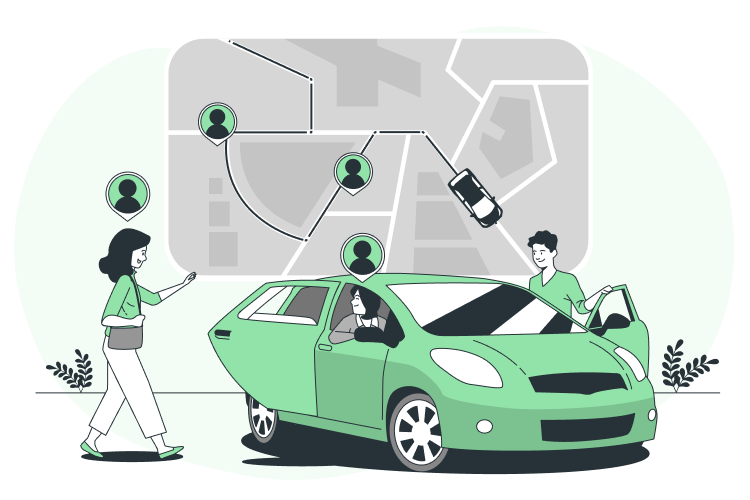
The success of the original concept lies in its simplicity. Drivers traveling to a destination can offer empty seats to passengers who are heading in the same direction. Passengers gain access to affordable transportation, while drivers can offset travel expenses.
This model creates value for both parties while enabling platform owners to generate revenue through multiple channels such as booking commissions, featured listings, subscriptions, and promotional services.
For startups and entrepreneurs, this approach offers an attractive entry point into the mobility market without the operational complexity associated with traditional transportation businesses.
What Makes a BlaBlaCar Clone App Attractive for Startups
Many startups struggle with balancing market demand, operational complexity, and scalability. A well-designed mobility platform solves these challenges by providing a flexible business model capable of serving multiple regions and customer segments.
Some of the key advantages include:
Faster Market Entry
Building a platform from the ground up requires extensive planning, testing, and deployment. A ready-made solution allows businesses to launch quickly and capitalize on market opportunities.
Proven Market Demand
The shared mobility market has already demonstrated strong user adoption in various countries. Businesses entering this segment benefit from an established demand for ride-sharing services.
Lower Operational Complexity
Unlike traditional taxi businesses, shared transportation platforms rely heavily on community participation, reducing operational overhead.
Scalable Growth Opportunities
Businesses can begin operations in a specific city or region and gradually expand to national or international markets as demand increases.
Sustainable Business Model
Environmental awareness is becoming an important factor for consumers worldwide. Shared transportation solutions contribute to lower emissions and reduced traffic congestion.

Essential Features Every Successful Platform Should Include
A successful mobility platform requires more than simply connecting drivers and passengers. User experience, trust, and convenience play critical roles in long-term growth.
Easy User Registration
The onboarding process should be simple and quick. Users expect seamless registration that allows them to start using the platform without unnecessary complexity.
Profile Verification
Verified profiles improve trust between passengers and drivers. This helps build confidence and encourages repeat usage.
Smart Ride Search
Passengers should be able to search for rides based on destination, departure time, available seats, and preferences.
Ride Publishing
Drivers need an easy way to publish trip details and manage seat availability.
Real-Time Matching
Efficient ride matching improves the user experience and increases booking success rates.
Secure Communication
In-app communication tools help drivers and passengers coordinate travel arrangements efficiently.
Flexible Payment Options
Providing multiple payment methods improves accessibility for users across different regions.
Ratings and Reviews
Feedback systems encourage accountability and help maintain service quality.
Booking Management
Users should be able to view booking history, manage upcoming trips, and access travel details easily.
Notifications and Alerts
Automated notifications help users stay informed about bookings, updates, and travel schedules.
The Role of User Trust in Shared Mobility Platforms
Trust is one of the most important factors influencing user adoption in the mobility sector.
Passengers want assurance regarding driver reliability, while drivers seek confidence in passenger behavior and payment security.
Businesses can strengthen trust through:
- Identity verification processes.
- Transparent profile information.
- Community ratings and reviews.
- Secure transactions.
- Customer support channels.
Platforms that prioritize trust often experience stronger user retention and higher engagement rates.
Market Opportunities for Entrepreneurs in 2026
The mobility landscape in 2026 offers significant opportunities for businesses entering the shared transportation market.
Intercity Travel
Many travelers seek affordable transportation between cities without relying on expensive alternatives.
Daily Commuting
Employees commuting to business districts often prefer ride-sharing solutions that reduce transportation expenses.
University Transportation
Students frequently look for budget-friendly travel options between campuses and residential areas.
Event Transportation
Concerts, conferences, exhibitions, and sporting events create temporary spikes in transportation demand.
Corporate Mobility Programs
Organizations increasingly encourage employees to use sustainable transportation solutions as part of their environmental initiatives.
These opportunities allow businesses to target multiple customer segments while diversifying revenue streams.
Read more: BlaBlaCar Business Model: How BlaBlaCar Works & Makes Money?
How Technology Is Transforming Shared Mobility
Technology continues to redefine customer expectations in the transportation industry.
Modern platforms leverage intelligent systems to improve operational efficiency and user satisfaction.
Some major technological trends shaping the industry include:
Route Optimization
Advanced algorithms help identify the most efficient travel routes.
Personalized Recommendations
Users increasingly expect recommendations based on travel behavior and preferences.
Automated Notifications
Real-time updates improve communication and reduce uncertainty.
Data-Driven Decision Making
Businesses can analyze travel patterns and customer behavior to improve service offerings.
Expansion Capabilities
Modern platforms can support multiple locations, languages, and currencies to facilitate global expansion.
Choosing the Right Business Strategy
Launching a successful mobility platform requires a clear market strategy.
Businesses should focus on:
Identifying Target Markets
Understanding local transportation challenges helps define product positioning.
Building User Communities
Community engagement drives adoption and improves customer retention.
Creating Strategic Partnerships
Partnerships with educational institutions, corporations, and local organizations can accelerate growth.
Prioritizing User Experience
Simple interfaces and smooth booking experiences encourage repeat usage.
Expanding Gradually
Starting with a focused market and expanding strategically often produces stronger long-term results.
Why Entrepreneurs Prefer a BlaBlaCar Clone Over Traditional Models
Traditional transportation businesses often require significant investments in infrastructure and fleet management.
A BlaBlaCar Clone built with on demand taxi app development eliminates many of these barriers by creating a marketplace where users contribute to the service ecosystem.
This approach offers:
- Reduced operational complexity.
- Faster scalability.
- Lower market entry barriers.
- Flexible expansion opportunities.
- Strong community engagement.
These advantages make the model particularly attractive for startups looking to enter the mobility sector.
The Importance of Localization for Global Expansion
Although mobility trends are global, customer expectations vary significantly between regions.
Successful businesses adapt their platforms to local requirements by considering:
Language Preferences
Localized interfaces improve accessibility and customer satisfaction.
Regional Payment Methods
Users prefer familiar payment options that align with local habits.
Travel Patterns
Transportation behavior differs between urban and rural areas.
Regulatory Compliance
Businesses must understand local transportation regulations before entering new markets.
Localization helps companies establish trust and improve market penetration.
Marketing Strategies for Growth
Even the best platform requires an effective growth strategy.
Focus on Community Building
Shared mobility platforms thrive when users feel part of a trusted community.
Encourage Referral Programs
Word-of-mouth marketing remains highly effective in transportation businesses.
Target Corporate Users
Organizations often seek transportation alternatives that support sustainability goals.
Partner With Universities
Student communities represent an excellent opportunity for rapid user acquisition.
Invest in Content Marketing
Educational content helps businesses establish authority within the mobility industry.
Key Challenges Businesses Should Prepare For
Every business model comes with challenges, and shared transportation is no exception.
Building Initial User Density
Early growth often depends on achieving sufficient driver and passenger activity.
Maintaining User Trust
Consistent moderation and verification are essential for long-term success.
Adapting to Market Differences
Each market requires tailored strategies and operational approaches.
Managing Competition
Businesses need strong value propositions to differentiate themselves in crowded markets.
Addressing these challenges proactively improves the chances of long-term success.
Future Trends Shaping the Ride Sharing Industry
The future of mobility will continue to evolve rapidly.
Several trends are expected to influence the industry in the coming years:
Sustainability Initiatives
Environmental concerns will continue driving demand for shared transportation.
Smart City Development
Urban planning initiatives increasingly support integrated mobility solutions.
Community-Based Transportation
Consumers are showing growing interest in collaborative transportation models.
Mobility Ecosystems
Platforms that combine multiple transportation services may gain competitive advantages.
Expansion Into Emerging Markets
Developing economies present substantial opportunities for growth and innovation.
Businesses that adapt to these trends can position themselves for long-term success.
Why a BlaBlaCar Clone App Is a Strategic Investment in 2026
The mobility industry is entering a new phase driven by sustainability, affordability, and convenience. Entrepreneurs seeking opportunities in transportation are increasingly turning to the shared mobility model due to its scalability and proven market demand.
A professionally developed BlaBlaCar Clone App allows businesses to establish a presence in the evolving transportation ecosystem while reducing operational complexity. By focusing on user experience, trust, and community engagement, companies can create a platform capable of supporting long-term growth and international expansion.
For startups aiming to enter the mobility market, investing in a modern ride sharing solution can provide a strong foundation for building a sustainable and profitable business.
Conclusion
The global transportation industry is moving toward smarter and more collaborative mobility solutions. Businesses that recognize this shift early can build strong positions in a rapidly growing market. A well-designed BlaBlaCar Clone offers startups and entrepreneurs an opportunity to launch a scalable transportation platform that aligns with changing customer expectations and sustainability goals. As user demand for shared travel experiences continues to increase, businesses investing in innovative mobility solutions will be better positioned to achieve long-term success. Partnering with an experienced clone app development company can help organizations accelerate their journey and create a competitive advantage in the evolving mobility ecosystem.
Frequently Asked Questions
1. What is a BlaBlaCar Clone App?
A BlaBlaCar Clone App is a shared mobility platform that connects drivers with passengers traveling in the same direction, enabling affordable and convenient transportation options.
2. Who can benefit from launching a carpooling platform?
Startups, entrepreneurs, transportation companies, and enterprises looking to enter the shared mobility market can benefit from launching such a platform.
3. How does a carpooling app improve transportation efficiency?
It reduces empty vehicle seats, lowers transportation costs, minimizes traffic congestion, and contributes to environmental sustainability.
4. Can a ride sharing platform operate in multiple countries?
Yes, modern mobility platforms can support global expansion through localization, regional customization, and scalable infrastructure.
5. Why is the shared mobility market attractive in 2026?
Growing urbanization, sustainability initiatives, and increasing demand for affordable transportation solutions are driving rapid growth in the shared mobility industry.

 English
 Arabic
 Spanish
 Portuguese
 Deutsch
 Turkish
 Dutch
Dutch
 Italiano
 Russian
 Romaian
 Portuguese (Brazil)
 Greek
Greek