


Paint Preparation Steps for a Flawless Finish
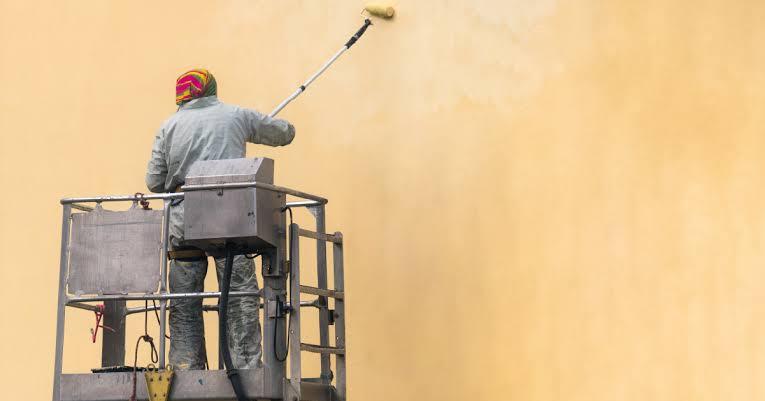
The difference between a mediocre paint job and an exceptional one often comes down to preparation. While many homeowners focus on paint colors and finishes, the real secret lies in what happens before the first brush touches the wall. Skilled painters spend significant time preparing surfaces because they know that proper preparation determines durability, coverage, and final appearance. Whether you are tackling a DIY project or hiring professionals, understanding the preparation process helps you appreciate the work involved and achieve superior results.
Cleaning Walls Thoroughly
Dirt, dust, grease, and cobwebs all interfere with paint adhesion. Thorough cleaning removes these contaminants, allowing paint to bond directly to the surface. For most walls, a simple cleaning with warm water and mild detergent suffices. Kitchen walls may need degreasing solutions to remove cooking residue. Bathroom walls require mildew removal. Use a sponge or soft cloth and rinse thoroughly. Allow walls to dry completely before proceeding. Skipping this step often results in peeling paint and an uneven finish.
Repairing Surface Imperfections
Walls develop cracks, holes, dents, and other imperfections over time. These defects become glaringly obvious after painting if not repaired properly. Fill small holes and cracks with spackling compound or joint compound. Use a putty knife to apply and smooth the compound. Sand the repaired areas smooth after drying. For larger damage, consider patching with drywall. Inspect corners and edges for wear and repair accordingly. Taking time to address these issues results in a smooth, professional looking surface.
Experienced Painters in London, ON understand that meticulous repair work is essential for achieving flawless results that stand the test of time.
Sanding for Surface Smoothness
Sanding serves multiple purposes in paint preparation. It smooths rough patches, removes old paint ridges, and provides a slightly textured surface for new paint to grip. For previously painted walls, light sanding with fine grit sandpaper removes glossy sheen that prevents adhesion. For bare wood, sanding opens the grain for better penetration. Always sand in the direction of the wood grain when working with wood surfaces. Wipe away sanding dust with a tack cloth before painting.
Priming for Better Coverage and Adhesion
Primer is not optional for most projects. It seals porous surfaces, prevents stains from bleeding through, and provides a uniform base for paint. New drywall requires primer to seal the surface and prevent uneven absorption. Stained walls need stain blocking primer to cover water marks, smoke, or ink. Dark colors benefit from tinted primer that reduces the number of topcoats needed. Primer also improves paint adhesion, resulting in a more durable finish. Professional painters always include proper priming in their preparation process.
Protecting Floors and Furniture
Before painting begins, protect everything that should not get paint on it. Lay drop cloths or plastic sheeting over floors. Remove furniture from the room or move it to the center and cover it securely. Tape off trim, windows, and baseboards with painter's tape. Remove outlet covers and light switch plates. This protection prevents splatters and drips from damaging your belongings. Professional painters take great care with this step, ensuring your home remains clean and protected throughout the project.
Taping for Clean Lines
Painter's tape creates crisp, clean lines where different colors meet. Apply tape carefully along edges of trim, ceilings, and adjacent walls. Press the tape firmly to create a tight seal that prevents bleed through. Remove the tape at the appropriate time to avoid tearing the paint. The angle of tape application affects the final line quality. Professional painters have specialized techniques for achieving razor sharp lines that look flawless. Investing time in proper taping pays off with professional results.
Choosing the Right Tools for the Job
The tools you use significantly impact the final finish. High quality brushes provide better control and smoother application. Roller covers with appropriate nap thickness apply paint evenly. Extension poles reach high areas without ladders. Paint trays and liners keep work organized. Professional painters invest in superior tools because they know the results are worth the cost. For DIY projects, renting professional grade equipment may be more cost effective than purchasing it.
Temperature and Humidity Considerations
Environmental conditions affect how paint applies and dries. Ideal painting temperatures range between 50 and 80 degrees Fahrenheit. High humidity extends drying time and can cause runs or drips. Low humidity accelerates drying, making it harder to achieve smooth coverage. Professional painters plan projects around weather conditions, using heaters or dehumidifiers when necessary. Understanding how temperature and humidity affect your specific paint product helps you achieve optimal results.
Cleanup and Final Inspection
After painting, proper cleanup ensures your space is ready to enjoy. Remove tape carefully while the paint is still slightly tacky for clean edges. Clean brushes and rollers thoroughly for future use. Reinstall outlet covers and switch plates. Remove drop cloths and protectors. Walk through the room with the painters to inspect the work. Note any missed spots or minor imperfections for touch up. A thorough final inspection ensures every detail meets your expectations.
Conclusion
Paint preparation is the foundation of every successful painting project. Cleaning, repairing, sanding, priming, and protecting set the stage for beautiful, durable results. While preparation takes time and effort, it is never wasted. Properly prepared surfaces accept paint fully, resulting in even coverage and long lasting protection. Whether you tackle the work yourself or hire professional painters, understanding these essential steps helps you achieve the flawless finish your home deserves.

 English
 French
 Spanish
 Portuguese
 Deutsch
 Turkish
 Dutch
Dutch
 Italiano
 Russian
 Romaian
 Portuguese (Brazil)
 Greek
Greek