


FUE Hair Transplant in Dubai: Your Treatment Journey
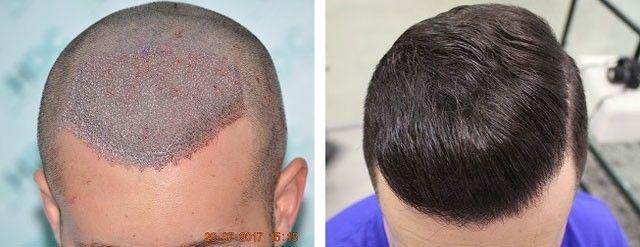
Choosing a FUE hair transplant in Dubai is a decision that involves more than simply addressing visible hair loss. The treatment journey usually begins with understanding your pattern of thinning, assessing available donor hair, planning the areas that need additional coverage, and preparing for gradual regrowth. Knowing what happens at each stage can make the experience easier to understand and help you approach the process with realistic expectations.
FUE uses individual follicular units rather than removing a continuous strip of scalp. This approach allows follicles to be selected and positioned according to the restoration plan, with attention given to hair direction, density, and the natural appearance of the hairline.
Starting With a Hair Loss Assessment
The first stage is understanding why and where hair is being lost. Hair thinning can affect the temples, frontal hairline, crown, or larger areas across the scalp.
An assessment generally considers the distribution of hair loss and the strength of the donor region. Existing hair density is also important because transplanted follicles are taken from an available donor supply.
Understanding the Donor Area
The donor area is usually located toward the back or sides of the scalp. Hair from this region may have characteristics that make it suitable for redistribution.
However, donor availability differs between individuals. Someone with extensive thinning throughout the scalp may have fewer usable follicles than someone with strong density in the donor region.
Mapping the Areas That Need Coverage
The treatment plan may focus on one specific area or combine several regions. For example, someone with a receding hairline may require more attention toward the front, while another person may be concerned primarily with crown density.
This planning stage helps determine how available follicles can be distributed efficiently.
Planning a Natural Hairline
The hairline plays an important role in facial appearance. Rather than creating a perfectly straight line, restoration planning generally considers the natural variations found in growing hair.
The position of the hairline, its shape, the direction of growth, and the transition into denser hair can all affect the final appearance.
Why Hair Direction Matters
Hair follicles do not grow at exactly the same angle across the scalp. Front-facing hair tends to follow a particular direction, while hair farther behind it can grow differently.
Matching these natural patterns during implantation helps transplanted hair blend more effectively with existing strands.
Preparing for the FUE Procedure
Preparation can vary according to individual circumstances. Before the procedure, relevant information about hair loss history, scalp concerns, medications, and previous treatments may be discussed.
It is useful to understand the recovery instructions before the treatment begins. This allows you to organize your routine around the healing period and reduce unnecessary concerns afterward.
The scalp and donor area may also be prepared according to the treatment plan.
The Follicle Extraction Stage
The defining feature of FUE is individual follicle extraction. Instead of removing a strip of skin, follicular units are collected separately from the donor region.
Each unit may contain one or more hairs. Careful extraction is important because the follicles need to remain suitable for subsequent placement.
The number of grafts collected depends on the treatment area, existing density, and restoration objectives.
Preparing the Extracted Grafts
Once follicles have been collected, they need to be organized and prepared for implantation. Their condition and characteristics can influence how they are distributed.
The extracted units may differ in the number of hairs they contain. Using them strategically can help create a softer appearance at the front and greater coverage where density is needed.
Implanting Follicles Into Thinning Areas
The recipient region is prepared with carefully positioned sites for the transplanted follicles. Placement considers the desired direction, angle, spacing, and overall distribution.
The objective is not simply to fill empty spaces. Instead, the follicles need to be positioned in a way that works with surrounding hair.
This is particularly important around the frontal hairline, where small differences in direction can affect how natural the result appears.
What Happens Immediately After Treatment?
The scalp can look different immediately after transplantation. Small marks, redness, swelling, or crusting may appear around the treated areas.
These temporary changes are part of the early healing stage. The transplanted region should be handled carefully, especially during the first several days.
Following the recommended instructions for washing and scalp care is important during this period.
The First Few Weeks
The first few weeks are mainly focused on healing. The appearance of transplanted hair can change during this stage, and some of the visible hairs may eventually shed.
This can be confusing if you expect continuous visible growth from the moment of implantation. Hair follicles follow natural growth cycles, so the transplanted area needs time to progress through different stages.
Temporary Shedding
Shedding after transplantation can occur as the follicles adjust to their new environment. Seeing hairs fall during this period does not automatically indicate that the treatment has failed.
The follicle itself can remain within the scalp while the visible hair shaft is shed.
Waiting for New Hair Growth
Hair regrowth following FUE is gradual. New hairs may initially appear fine or delicate before gaining thickness over time.
The growth rate varies between individuals, meaning that one person's progress may not match another person's timeline.
Patience is therefore an important part of the restoration journey.
How Hair Gradually Becomes Fuller
As transplanted follicles enter active growth phases, the treated areas can begin to look more populated. Early hairs may not immediately provide the density expected from mature hair.
Over time, the strands can become stronger and more noticeable. The final appearance depends on the number of viable follicles, their placement, existing hair, and individual growth characteristics.
Caring for the Scalp During Recovery
Aftercare should focus on protecting the treated scalp while it heals. Washing should be performed according to the provided instructions, and unnecessary rubbing or scratching should be avoided.
Physical activity may also need to be limited temporarily, depending on the recovery guidance provided for your particular situation.
Protecting the scalp from unnecessary irritation can support a smoother recovery experience.
Looking After Existing Hair
One important part of long-term hair restoration is remembering that transplanted follicles are not the only hair on the scalp.
Existing hair can continue to thin because of the underlying pattern of hair loss. Therefore, maintaining overall scalp and hair health remains relevant even after transplantation.
A broader hair management plan may be discussed when appropriate.
Factors That Shape the Final Result
The outcome of FUE can be influenced by several factors, including donor hair quality, follicle characteristics, the extent of hair loss, scalp condition, implantation strategy, and individual growth patterns.
The amount of available donor hair also places a natural limit on how much coverage can be created.
For this reason, realistic planning is more useful than expecting an identical result to someone else.
Why Patience Matters After FUE
Hair restoration should be viewed as a gradual process rather than an instant cosmetic change. Early healing, temporary shedding, initial regrowth, and later maturation are separate stages.
Checking the scalp repeatedly during the first few weeks can make normal fluctuations seem more significant than they are. Longer-term progress provides a clearer picture of how the transplanted follicles are developing.
When to Review Your Progress
Follow-up assessments can help track healing and hair development. Progress may be evaluated by looking at changes in density, coverage, hairline appearance, and the condition of both transplanted and existing hair.
Taking photographs under similar lighting and angles can also make gradual changes easier to recognize.
Final Thoughts
A FUE hair transplant in Dubai involves a series of stages, from assessing donor hair and designing the recipient areas to extracting individual follicles, placing them strategically, and allowing natural growth to develop over time. Understanding this complete journey can help you prepare properly and maintain realistic expectations throughout the process. For those exploring personalized hair restoration options, TAJMEELS CLINIC can be considered when planning the next step in your hair restoration journey.

 English
 Arabic
 French
 Portuguese
 Deutsch
 Turkish
 Dutch
Dutch
 Italiano
 Russian
 Romaian
 Portuguese (Brazil)
 Greek
Greek