


Skin Pigmentation in Dubai: Skin Rejuvenation Options
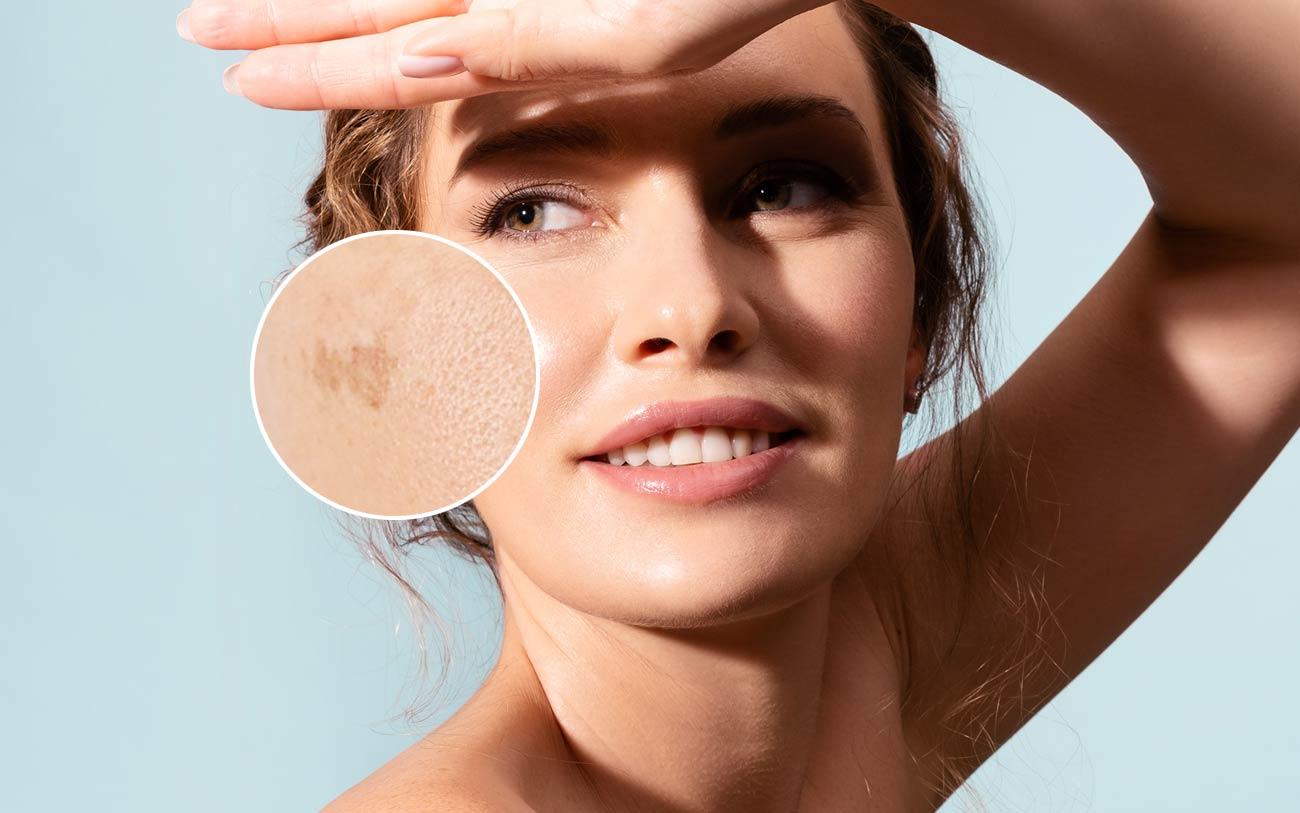
Skin pigmentation refers to changes in the natural color of the skin caused by variations in melanin production. When pigment develops unevenly, it can create dark spots, patches, acne marks, sun-related discoloration, or an uneven complexion.
For people exploring Skin Pigmentation in Dubai, skin rejuvenation can involve different approaches designed to improve the appearance of discoloration while supporting overall skin quality. The most suitable option depends on the type of pigmentation, skin tone, sensitivity, and individual treatment goals.
What Causes Uneven Skin Tone?
Pigmentation can develop for several reasons. Sun exposure is a major factor because ultraviolet radiation can stimulate melanin production and make existing dark areas more noticeable. Hormonal changes may contribute to melasma, while acne and inflammation can leave behind post-inflammatory hyperpigmentation.
Skin irritation can also affect pigmentation-prone skin. Using harsh products or undergoing overly aggressive procedures may increase irritation and potentially contribute to additional discoloration.
Skin Rejuvenation for Pigmentation Concerns
Skin rejuvenation focuses on improving the overall appearance of the skin while addressing concerns such as uneven tone, dullness, texture, and discoloration. Several treatment approaches may be considered depending on the individual's skin characteristics.
Chemical Peels
Chemical peels use selected exfoliating solutions to encourage skin renewal. Certain superficial peels may help improve the appearance of uneven pigmentation, sun spots, melasma, and dull skin.
The strength and formulation of a peel should be selected carefully. Skin tone is an important consideration because excessive irritation can sometimes lead to post-inflammatory pigmentation. Proper aftercare and sun protection are also important following treatment.
Laser-Based Treatments
Laser treatments use controlled light energy to target specific skin concerns. Selected laser procedures may help improve certain types of pigmentation and sun-related discoloration.
However, laser treatment is not suitable for every pigmentation concern. Skin with higher levels of melanin can be more susceptible to burns or dark marks after laser procedures, making careful treatment selection particularly important.
Microneedling
Microneedling creates controlled microscopic channels in the skin to stimulate the natural healing process. It may be considered when pigmentation occurs alongside uneven texture or other signs of skin aging.
For some pigmentation concerns, microneedling may form part of a broader rejuvenation strategy rather than being used as a standalone solution.
Targeted Skincare
A skin rejuvenation plan may also include topical products designed to support a more even complexion. Depending on individual needs, ingredients such as vitamin C, azelaic acid, retinoids, or other pigment-targeting formulations may be considered.
Gentle skincare is particularly useful for pigmentation-prone skin. Products that cause persistent burning or stinging may irritate the skin and potentially make dark spots more noticeable.
Skin Pigmentation in Dubai and Sun Exposure
Sun protection is a central part of managing pigmentation. Continued exposure to ultraviolet radiation can stimulate pigment production and make existing discoloration harder to manage.
Using broad-spectrum sunscreen with SPF 30 or higher, seeking shade, and wearing protective clothing can help reduce ongoing exposure. Tinted sunscreen containing iron oxide may also provide protection from visible light, which can worsen melasma and pigmentation in some people.
This is particularly relevant when considering Skin Pigmentation in Dubai, where regular outdoor exposure can make consistent sun protection an important part of a long-term skincare routine.
Choosing the Right Rejuvenation Option
There is no single treatment that is ideal for every pigmentation concern. A suitable approach depends on whether the discoloration is related to melasma, sun exposure, acne, inflammation, or another cause.
The depth and pattern of pigmentation, skin tone, sensitivity, previous procedures, and lifestyle can all influence treatment selection. For example, a treatment that may be appropriate for superficial sun spots may not be the preferred option for persistent melasma.
Combining Rejuvenation Treatments
In some cases, combining different approaches can provide a more comprehensive strategy. A plan may involve targeted skincare alongside a selected procedure, followed by appropriate maintenance.
For melasma, treatment commonly involves a combination of sun protection and topical therapies, with procedures such as chemical peels, microneedling, or laser and light treatments considered in selected situations.
Combining treatments does not necessarily mean using multiple procedures at once. A gradual approach can allow the skin to respond while reducing unnecessary irritation.
What to Expect From Skin Rejuvenation
Results from pigmentation and rejuvenation treatments usually develop gradually. Depending on the selected procedure, temporary redness, dryness, sensitivity, or peeling may occur during recovery.
Chemical peels, for example, can have different recovery periods depending on their depth and formulation. Superficial peels may involve relatively short recovery, while deeper peels require substantially more downtime.
Following aftercare instructions and protecting the skin from sunlight can support recovery and help maintain improvements.
Can Skin Rejuvenation Permanently Remove Pigmentation?
Skin rejuvenation can improve the appearance of pigmentation, but permanent removal cannot always be guaranteed. Some concerns, particularly melasma, can persist or return even after visible improvement.
The American Academy of Dermatology notes that melasma may last for years and that treatment can take several months to show results. Continued sun protection is therefore an important part of long-term management.
Realistic expectations are important when beginning any pigmentation treatment. The goal is generally to achieve gradual improvement and a more balanced-looking complexion.
Maintaining Rejuvenated Skin
Long-term maintenance can help support the results of pigmentation treatment. A gentle skincare routine, regular moisturization, appropriate sun protection, and avoiding unnecessary irritation can all contribute to healthier-looking skin.
Sun protection should remain a daily habit even after pigmentation becomes less visible. This can help reduce the chance of new discoloration and protect the skin from additional sun-related damage.
Final Thoughts
Skin rejuvenation offers several approaches for improving the appearance of dark spots, melasma, hyperpigmentation, uneven tone, and overall skin texture. Chemical peels, laser-based treatments, microneedling, and targeted skincare may be considered according to individual skin needs. If you are exploring Skin Pigmentation in Dubai solutions, TAJMEELS CLINIC can be part of your journey toward a smoother, brighter, and more balanced-looking complexion.
More Information
Tajmeels Clinic Dubai
WhatsApp: +971 56 203 8751
Phone: tel:+971 43739000
Social Media:

 English
 Arabic
 French
 Spanish
 Portuguese
 Deutsch
 Turkish
 Dutch
Dutch
 Italiano
 Russian
 Portuguese (Brazil)
 Greek
Greek