


How to Design an SPD Workflow That Minimizes Cross-Contamination Risk
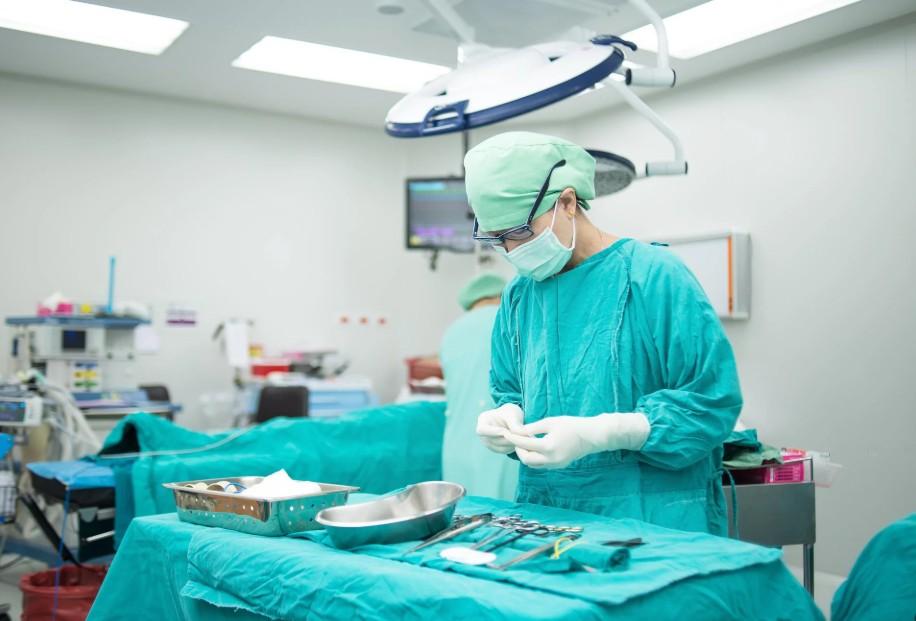
In modern healthcare facilities, the Sterile Processing Department (SPD) functions as the indispensable engine of patient safety. Every surgical instrument, endoscope, and reusable medical device passes through this critical hub. Without a meticulously planned physical layout and strict operational protocols, the SPD can inadvertently become a primary vector for hospital-acquired infections (HAIs). Minimizing cross-contamination risks requires far more than just high-grade disinfectants and advanced autoclaves; it demands a comprehensive structural and operational workflow strategy. By organizing your SPD around strict physical zoning, air pressure differentials, and standardized traffic patterns, facilities can systematically eliminate pathogen transfer points and safeguard patient outcomes.
The Unidirectional Traffic Pattern: One-Way Progression from Soiled to Clean
The foundational principle of safe SPD architectural design is an unbroken unidirectional workflow. Contaminated medical items must move continuously forward from dirty receiving areas to clean assembly areas, and finally to sterile storage—never retracing their steps. Reversing or crossing operational paths creates immediate opportunities for airborne pathogens, liquid splashes, and bio-aerosols to contaminate disinfected equipment.
To establish an effective unidirectional layout:
-
Construct permanent physical partition walls between Decontamination, Preparation/Packaging, and Sterile Storage zones.
-
Utilize pass-through equipment, such as double-door washer-disinfectors and pass-through sterilizers, allowing items to be loaded on the dirty side and unloaded strictly on the clean side.
-
Enforce strict one-way movement for staff, prohibiting personnel from returning to clean assembly zones without undergoing full hand hygiene and personal protective equipment (PPE) change protocols.
This rigid structural separation ensures unsterilized organic matter and bioburden never intersect with items ready for patient care.
Environmental Controls and Pressure Differentials Across Processing Zones
Physical barriers alone cannot guarantee sterility if airborne microorganisms are allowed to drift across zones. Environmental control systems within the SPD must maintain precise atmospheric pressure gradients to manage air movement between adjacent processing rooms.
-
Decontamination Zone: Must be maintained under negative air pressure relative to adjacent spaces. This negative gradient ensures that airborne bio-aerosols generated during manual scrub washing, ultrasonic cleaning, and high-pressure rinsing are contained within the dirty zone and continuously exhausted outdoors via dedicated HEPA filtration systems.
-
Preparation, Packaging, and Assembly Zone: Must be maintained under positive air pressure. Positive pressure ensures air flows outward toward dirtier areas, preventing untreated ambient air or airborne particles from entering spaces where disinfected instruments are handled and wrapped.
-
Sterile Storage Area: Kept under positive air pressure with strictly controlled temperature (65°F to 72°F) and relative humidity (below 60%) to preserve the structural integrity of sterile barrier packaging over extended storage durations.
Decontamination Zone Protocols: Stopping Pathogens at the Gate
The decontamination area represents the front line against cross-contamination. Here, gross soil, biological fluids, and heavy bioburden are removed before thermal or chemical sterilization can take place. If cleaning fails at this initial stage, downstream sterilization processes cannot succeed.
Designing a workflow that minimizes risk in decontamination requires standardized workstations equipped with three-sink configurations (soak, wash, and rinse) supplied with temperature-monitored water and enzymatic detergents. Manual cleaning tools, such as non-abrasive brushes and dedicated flushers for cannulated instruments, must remain strictly isolated to specific sinks. Furthermore, integrating automated washer-disinfectors standardizes mechanical washing and thermal disinfection, eliminating human variation. Ergonomic, height-adjustable sinks and dedicated point-of-use waste disposal units reduce physical fatigue while preventing accidental splashes and fluid cross-dispersion across active workstations.
The Role of Staff Training and Technical Expertise in SPD Safety
Even the most sophisticated facility layout and automated machinery will fail if the human element lacks procedural discipline. Operational consistency is achieved through a knowledgeable workforce trained to understand the biological, chemical, and mechanical mechanisms of sterilization.
Investing in continuous professional education ensures technicians perform manual pre-cleaning, chemical handling, and packaging inspections without procedural drift. Facilities dedicated to eliminating contamination risks must prioritize rigorous staff development. Enrolling team members in a comprehensive sterile processing technician course provides staff with vital expertise in microbiology, infection control principles, equipment verification, and packaging integrity. When technicians understand the exact scientific rationales behind pressure differentials, chemical integrators, and biological monitoring, the probability of human error leading to cross-contamination decreases significantly.
Equipment Ergonomics and Assembly Zone Separation
Once instruments emerge from the automated washer-disinfectors, they enter the clean preparation and packaging zone. In this area, technicians inspect, assemble, and wrap instrument sets before final sterilization. Workstations must be designed to maintain meticulous cleanliness and prevent physical contamination.
To optimize workflow safety in the assembly zone:
-
Implement 100% visual inspection using illuminated magnification lamps to identify microscopic debris, rust, or surface defects.
-
Place internal and external chemical indicators within every package to verify that crucial parameters (time, temperature, and sterilant penetration) are met during processing.
-
Maintain adequate spacing between packaging tables to prevent unwrapped, clean items from contacting neighboring sets.
-
Store processed packages on smooth, non-porous metal shelving positioned at least 8 to 10 inches off the floor, 18 inches below ceiling sprinkler heads, and 2 inches from exterior walls to prevent physical damage and environmental contamination.
Establishing Robust Quality Assurance and Continuous Audit Cycles
A resilient SPD workflow relies on continuous monitoring, empirical testing, and regular auditing. Implementing a comprehensive Quality Assurance (QA) program enables department managers to detect workflow vulnerabilities and equipment deviations before compromised medical devices reach the operating room.
Essential monitoring practices include:
-
Executing daily mechanical cleaning tests to confirm washer-disinfector spray arm efficiency and detergent delivery accuracy.
-
Running biological indicator spore tests daily (and with every load containing implantable devices) alongside daily Bowie-Dick air-removal tests for dynamic air-removal sterilizers.
-
Conducting unannounced workflow audits to evaluate staff compliance with hand hygiene, proper PPE donning/doffing order, and zone boundary rules.
By embedding daily verification and continuous education into the department's culture, SPD leadership creates a dependable defense against cross-contamination, ensuring every instrument delivered to clinical staff remains completely safe and sterile.

 English
 Arabic
 French
 Spanish
 Portuguese
 Deutsch
 Dutch
Dutch
 Italiano
 Russian
 Romaian
 Portuguese (Brazil)
 Greek
Greek