


How Replacement Vehicles Work After a Road Accident in the UK
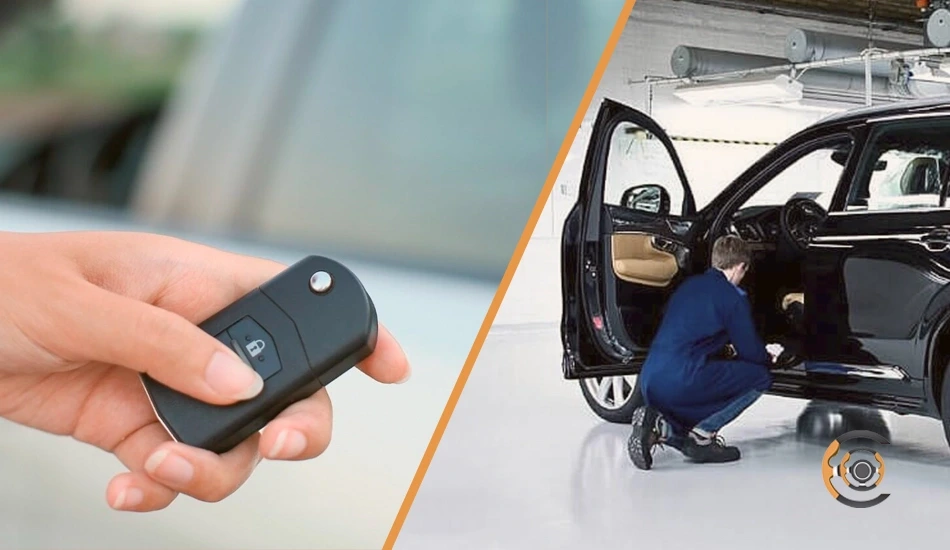
What Is a Replacement Vehicle?
A Replacement Vehicle helps keep you mobile while your damaged car is being repaired or assessed. After an accident, you may receive a courtesy car or a temporary replacement car, depending on your insurance and circumstances. The process usually involves reporting the accident, checking your policy, arranging suitable transport and returning it afterwards. Understanding these steps can make an already stressful situation much easier to manage.
When Can You Get a Replacement Vehicle?
Whether you qualify depends on your insurance policy and how the accident happened. Some comprehensive policies include a courtesy car as part of their standard cover. However, the vehicle offered may have restrictions on size, availability or how long you can use it.
If another driver caused the accident, you may have different options available. A non fault accident can sometimes allow you to arrange an accident replacement vehicle while your own car is unavailable.
Your insurer or accident management provider will usually assess your circumstances first. They may check whether your vehicle is repairable, unsafe or declared a total loss.
How Does the Replacement Process Work?
The process normally starts immediately after you report the accident. Your insurer records the incident and determines what assistance your policy provides.
You may then be offered a suitable Replacement Vehicle based on your circumstances. The provider considers factors such as your damaged vehicle, driving needs and availability.
The usual process includes:
-
Reporting the accident to your insurer or relevant provider.
-
Explaining why you need another vehicle.
-
Checking your policy for available replacement transport.
-
Arranging delivery of the temporary vehicle.
-
Using the vehicle while your own car remains unavailable.
-
Returning it when your replacement period ends.
The exact process can vary between insurers and accident management companies.
Courtesy Car vs Temporary Replacement Car
A courtesy car is often provided under a motor insurance policy. It is usually available when your vehicle is being repaired following an insured incident. However, policies can differ significantly in their conditions and vehicle choices.
A temporary replacement car generally describes a vehicle supplied for short term use. It may be arranged through your insurer, repairer or another service provider.
An accident replacement vehicle can be particularly relevant after a non fault accident. In some cases, the replacement vehicle is matched more closely to your normal car and daily requirements.
|
Option |
Usually depends on |
Main purpose |
|
courtesy car |
Insurance policy |
Short term mobility during repairs |
|
temporary replacement car |
Provider arrangements |
Temporary transport |
|
accident replacement vehicle |
Accident circumstances |
Continued mobility after an accident |
Always check what your policy actually promises before accepting an arrangement.
How Long Can You Keep the Vehicle?
The length of time varies depending on your circumstances and the agreement. A Replacement Vehicle may remain available while your damaged car undergoes repairs. However, some policies impose specific limits on the number of days provided.
If your car is written off, the situation may work differently. Your replacement period could depend on how quickly your claim is resolved and what cover applies.
Ask these questions before accepting the vehicle:
-
How long can I keep it?
-
What happens if repairs take longer?
-
Who pays for fuel?
-
What happens if the car is written off?
-
Are there mileage restrictions?
Getting clear answers helps prevent unexpected costs later.
Who Pays for the Replacement Vehicle?
Payment arrangements depend on the accident and your insurance cover. If your policy includes a Replacement Vehicle, the insurer may arrange and pay for it. You should still check whether any excess, mileage charge or other condition applies.
After a non fault accident, another arrangement may sometimes apply. The costs can depend on liability, the provider involved and the circumstances surrounding your claim.
Never assume every replacement vehicle is automatically free. Ask who is responsible for the costs before accepting the vehicle.
What Happens When You Return It?
You normally return the vehicle once your own transport becomes available. Your provider should explain when and where the vehicle needs to be returned.
Check the car before handing it back and report any existing damage. Remove personal belongings and return any supplied equipment, keys and documents.
If your original vehicle is written off, you may need to return the vehicle after your claim reaches a certain stage. The exact arrangement depends on your agreement.
Keeping communication clear throughout the claim helps avoid misunderstandings.
Final Thoughts
A Replacement Vehicle can provide essential transport after an accident leaves your car unavailable. Whether you receive a courtesy car, temporary replacement car or accident replacement vehicle depends on your circumstances. Always check your insurance terms before agreeing to a replacement vehicle arrangement. Ask about costs, duration, mileage limits and return requirements beforehand. Knowing how the process works can help you stay mobile with less stress.
FAQs
1. What is a Replacement Vehicle after an accident?
A Replacement Vehicle is temporary transport provided while your own car is unavailable. It can help you continue travelling during repairs or an insurance claim. The exact arrangement depends on your policy and accident circumstances.
2. Is a courtesy car the same as a Replacement Vehicle?
A courtesy car is one type of temporary replacement transport. It is commonly offered under certain motor insurance policies. However, the terms and vehicle provided can vary between insurers.
3. Can I get an accident replacement vehicle after a non fault accident?
An accident replacement vehicle may be available after a non fault accident. Eligibility depends on your circumstances and the provider handling your claim. You should ask about your options when reporting the accident.
4. How long can I use a temporary replacement car?
A temporary replacement car is normally available for an agreed period. The duration may depend on repairs, your policy and the claim process. Always confirm the return date with the provider.
5. Do all insurance policies provide a courtesy car?
Not every policy includes a courtesy car as standard. Some policies offer it only under specific conditions or upgraded cover. Check your policy documents before assuming one will be provided.
6. Can I choose my Replacement Vehicle?
Your Replacement Vehicle choice may depend on your policy and available vehicles. Some providers offer a similar vehicle based on your normal transport needs. Others may provide a smaller standard vehicle.
7. Who pays for an accident replacement vehicle?
The cost of an accident replacement vehicle depends on the claim circumstances. Your insurer or another responsible party may cover the costs. Always confirm the payment arrangement before accepting the vehicle.
8. Can I use a temporary replacement car for commuting?
A temporary replacement car can usually support normal driving needs. However, you should check whether your agreement includes commuting. Tell the provider how you intend to use the vehicle.
9. What happens if my car is written off?
A Replacement Vehicle may remain available for an agreed period after your car is declared a total loss. The arrangement depends on your policy and provider. Ask when the vehicle must be returned.
10. Do I need to pay for fuel in a courtesy car?
Fuel for a courtesy car is usually the driver's responsibility. The provider may give specific instructions about fuel levels when returning it. Check the agreement to avoid unexpected charges.

 English
 Arabic
 French
 Spanish
 Portuguese
 Deutsch
 Turkish
 Dutch
Dutch
 Russian
 Romaian
 Portuguese (Brazil)
 Greek
Greek