


Healthcare Tourism in India: A Complete Guide for International Patients
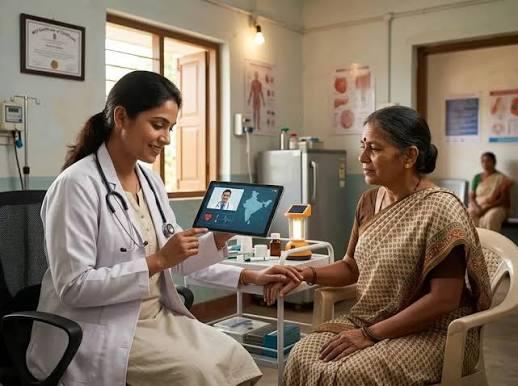
Healthcare tourism in India has become an important part of the country’s modern healthcare sector, attracting patients from different parts of the world who seek quality medical treatment, experienced specialists, advanced facilities, and comparatively affordable care. India has developed a broad healthcare ecosystem that includes multispecialty hospitals, specialised treatment centres, diagnostic facilities, skilled doctors, nurses, and supporting services for international patients. The combination of medical expertise and cost-effective treatment has made India an increasingly considered destination for people looking for planned procedures and specialised healthcare. Patients may travel for treatments ranging from cardiac procedures and orthopaedic care to cancer treatment, organ-related care, fertility services, cosmetic procedures, and advanced diagnostics. Along with treatment, international patients can benefit from organised assistance with appointments, accommodation, transportation, interpretation, and follow-up coordination.
Why India Is Becoming a Healthcare Destination
The growth of healthcare tourism in India is supported by several factors that make the country attractive to international patients. One of the most significant advantages is the availability of qualified medical professionals across numerous specialities. Indian hospitals increasingly use modern diagnostic equipment, surgical technologies, intensive care facilities, and minimally invasive techniques. Many large hospitals have dedicated international patient departments that help coordinate consultations, treatment schedules, documentation, and communication.
Another important factor is affordability. Treatment expenses in India can be lower than those in several developed healthcare markets, although actual costs vary significantly according to the procedure, hospital, doctor, medical complexity, accommodation, and length of stay. Patients should therefore compare complete treatment estimates rather than focusing only on the advertised procedure price. The availability of different hospital categories and treatment options also allows international visitors to consider care according to their medical and financial requirements.
Major Treatments Available in India
India offers a wide range of medical treatments for domestic and international patients. Large hospitals often bring multiple departments together, allowing patients with complex conditions to receive consultations from different specialists. Common areas of medical travel include cardiology, oncology, orthopaedics, neurology, gastroenterology, nephrology, urology, ophthalmology, fertility treatment, and reconstructive or cosmetic procedures.
Cardiac care is one area in which Indian hospitals provide advanced diagnostic and surgical services. Orthopaedic procedures, including joint replacement and sports injury management, are also frequently considered by international patients. Cancer centres may provide combinations of surgery, chemotherapy, radiation therapy, targeted treatment, and supportive care depending on the diagnosis. Fertility services and specialised surgeries can also attract patients seeking treatment options that may be more expensive or less accessible in their home countries.
Patients should always obtain an individual medical assessment before travelling because the suitability of a treatment depends on personal medical history, diagnostic reports, existing conditions, and specialist recommendations.
Benefits of Choosing India for Medical Treatment
One of the major benefits of healthcare tourism in India is the combination of medical expertise and a broad range of treatment choices. Patients can often access specialists across different disciplines within established hospital networks. This can be particularly useful for complex conditions requiring multidisciplinary assessment.
Another benefit is the availability of modern healthcare infrastructure in major cities. Hospitals in cities such as Delhi, Mumbai, Bengaluru, Chennai, Hyderabad, and Kolkata offer a variety of specialised departments and diagnostic services. International patients may also find dedicated support for language assistance, appointment scheduling, airport transfers, accommodation, and documentation.
Key benefits may include:
- Access to experienced medical specialists
- A broad range of specialised treatments
- Modern diagnostic and surgical facilities
- Potentially lower treatment costs
- International patient coordination services
- Availability of different accommodation options
- Multilingual assistance in many major hospitals
- Opportunities for structured follow-up after treatment
However, affordability should not be the only factor when selecting a healthcare provider. Medical credentials, hospital accreditation, treatment outcomes, infection-control standards, emergency facilities, and follow-up arrangements should also be carefully considered.
Cost Considerations for International Patients
Treatment cost is one of the strongest reasons patients investigate medical care in India. However, there is no single price for a particular procedure because healthcare expenses can vary depending on the patient’s condition and treatment requirements. The final cost may include consultation fees, diagnostic tests, hospital charges, surgeon fees, medicines, medical devices, room category, intensive care, nursing, rehabilitation, and follow-up appointments.
International patients should request a detailed treatment estimate before travelling. They should also ask whether the quotation includes additional services such as investigations, medicines, accommodation, transportation, and post-treatment consultations. Travel insurance and emergency expenses should be considered separately where applicable.
| Healthcare Factor | What International Patients Should Consider |
|---|---|
| Consultation | Specialist assessment and medical history review |
| Diagnosis | Required scans, laboratory tests, and examinations |
| Treatment | Procedure type, complexity, and specialist involvement |
| Hospital Stay | Room category, nursing, and duration |
| Medicines | Prescription medicines and treatment-related drugs |
| Follow-Up | Post-treatment reviews and rehabilitation |
| Travel | Flights, local transportation, and accommodation |
| Support | Interpretation and international patient assistance |
A lower quoted price should not automatically be treated as the best option. Patients should evaluate the overall quality, transparency, and suitability of care.
Choosing the Right Hospital and Doctor
Selecting the right hospital and doctor is one of the most important decisions for an international patient. Patients should research the specialist’s qualifications, experience, area of expertise, professional registrations, and experience with the required procedure. The hospital should also be evaluated for its departments, diagnostic capabilities, emergency services, intensive care facilities, and infection-control practices.
Patients can prepare a list of questions before contacting a hospital. They may ask about the recommended treatment, alternatives, expected recovery period, possible complications, estimated hospital stay, follow-up requirements, and the qualifications of the medical team. Obtaining an independent second opinion can also be valuable, especially when considering major surgery or complex treatment.
A reliable healthcare decision should be based on medical suitability rather than promotional claims. Patients should provide complete and accurate medical records so that doctors can make an informed assessment before treatment.
International Patient Services
Healthcare tourism in India involves more than medical treatment. International patients may need assistance with communication, appointments, travel planning, accommodation, transportation, documentation, and coordination between departments. Many established hospitals have international patient desks designed to support patients throughout their medical journey.
These services can make the process easier for patients who are unfamiliar with the healthcare system or local environment. Depending on the provider, support may include airport pickup, language interpretation, appointment coordination, assistance with hospital admission, and communication with family members.
Patients should clarify exactly what is included in these services before travelling. They should also understand who will be responsible for emergency arrangements, additional medical expenses, and post-treatment communication. Clear planning can reduce uncertainty and help international visitors focus on their recovery.
Popular Indian Cities for Medical Tourism
Several Indian cities have developed strong healthcare infrastructure and attract patients seeking specialised treatment. Delhi and the surrounding National Capital Region have numerous multispecialty hospitals and specialist centres. Mumbai is another major healthcare destination with advanced hospitals and a wide range of medical departments.
Chennai has a long-standing reputation for specialised medical care and attracts patients from several international markets. Bengaluru is known for its advanced healthcare institutions and technology-oriented medical environment. Hyderabad has also developed a strong network of hospitals offering specialised treatments, while Kolkata provides healthcare services for patients from eastern India and neighbouring regions.
The best city for a patient depends on the required treatment, specialist availability, hospital facilities, travel connections, and personal circumstances rather than city reputation alone.
Preparing Before Travelling to India
Good preparation can make the medical travel experience more organised. Patients should collect medical reports, imaging results, prescriptions, previous treatment records, allergy information, and a current list of medicines. These documents should be organised in a format that doctors can easily review.
Patients should also discuss the expected duration of treatment and recovery with their healthcare provider. Travel arrangements should account for possible delays caused by additional diagnostic tests or changes in treatment plans. Accommodation close to the hospital may be useful when repeated appointments are expected.
Important preparation steps include:
- Collect all relevant medical records.
- Obtain a preliminary specialist opinion.
- Request a detailed treatment estimate.
- Confirm hospital and doctor credentials.
- Understand expected treatment and recovery time.
- Arrange appropriate travel documents.
- Plan accommodation and local transportation.
- Keep copies of important medical and identification documents.
- Discuss follow-up care before returning home.
Safety and Quality Considerations
Patient safety should remain the highest priority when planning medical travel. International patients should consider hospital accreditation, specialist qualifications, infection-control procedures, emergency support, intensive care capacity, and the hospital’s experience with the planned treatment.
Patients should also understand potential medical risks and recovery requirements before agreeing to treatment. A procedure that appears straightforward may require additional investigations or extended monitoring depending on individual circumstances. Medical tourism should therefore begin with a proper clinical consultation rather than a decision based solely on price.
Clear communication is equally important. Patients should understand the proposed procedure, expected benefits, possible risks, alternatives, estimated costs, and follow-up requirements. Written documentation can help prevent misunderstandings and provide a useful reference throughout the treatment journey.
The Future of Healthcare Tourism in India
The future of healthcare tourism in India is likely to be shaped by technological development, improved hospital infrastructure, specialised treatment centres, digital healthcare services, and stronger international patient support. Teleconsultations can help patients communicate with specialists before travelling, allowing medical teams to review available records and determine whether an in-person assessment is appropriate.
Advances in minimally invasive surgery, robotic-assisted procedures, precision diagnostics, digital health records, and remote follow-up may further improve the patient experience. Hospitals are also increasingly focusing on coordinated services that combine clinical treatment with logistical assistance.
For international patients, this evolving healthcare environment can provide more choices and greater access to specialised services. At the same time, patients will continue to need reliable information, transparent pricing, qualified professionals, and careful treatment planning when making healthcare decisions.
Conclusion
Healthcare tourism in India offers international patients access to a wide healthcare ecosystem combining specialised medical professionals, modern facilities, diverse treatment options, and potentially competitive costs. From cardiac and cancer care to orthopaedics, fertility treatment, neurology, and advanced diagnostics, India provides numerous healthcare pathways for patients who require planned medical treatment.
The most successful medical travel experience begins with careful research and realistic expectations. Patients should compare hospitals, evaluate doctors, understand the complete cost, prepare their medical records, and establish a clear plan for treatment and follow-up. Rather than choosing a provider based only on affordability, patients should prioritise safety, expertise, infrastructure, communication, and continuity of care. With appropriate planning, India can provide international patients with access to comprehensive healthcare services while supporting a more organised and informed medical journey.

 English
 Arabic
 French
 Spanish
 Portuguese
 Deutsch
 Turkish
 Dutch
Dutch
 Russian
 Romaian
 Portuguese (Brazil)
 Greek
Greek