


Toyota Forklift Singapore for Cold Storage and Temperature-Controlled Warehouses
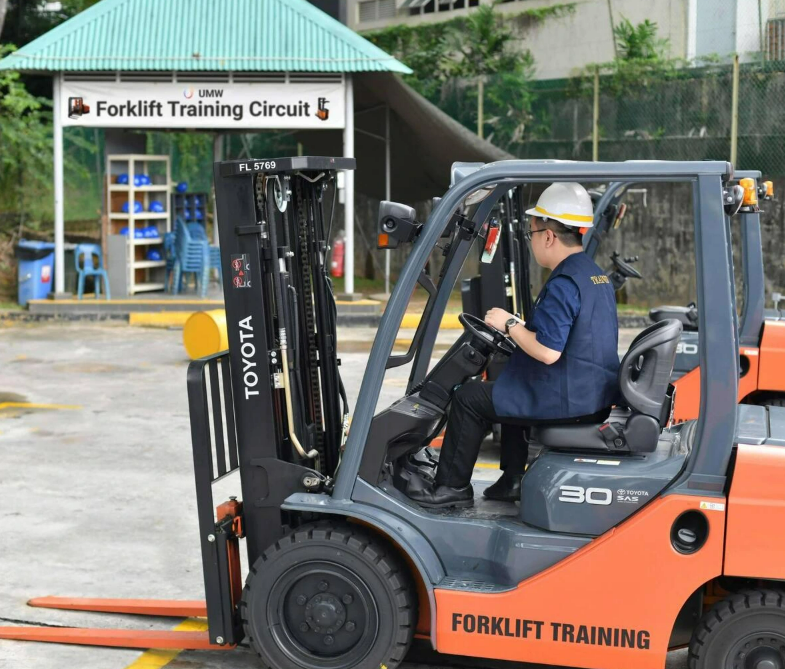
Why Forklift Selection Matters in Cold Storage
Cold storage facilities have different operating requirements from conventional warehouses. Businesses handling frozen food, chilled products, pharmaceuticals or other temperature-sensitive goods must manage inventory movement while maintaining the required storage conditions and workplace safety standards.
In these environments, forklifts may operate in low temperatures, move goods between temperature-controlled areas and work around insulated doors, condensation and specialised storage systems. Choosing equipment without considering these conditions can create operational challenges and may affect equipment suitability over time.
For businesses evaluating a Toyota forklift in Singapore, the selection process should begin with a clear understanding of the facility's temperature range, handling volume, load characteristics and operating schedule. The objective is to identify equipment suitable for the application rather than assume that every standard warehouse forklift can perform effectively in cold storage.
What Makes Cold Storage Forklift Operations Different?
Temperature-controlled warehouses often have strict procedures for receiving, storing and dispatching goods. Forklift operations must support these procedures without unnecessarily delaying the movement of products or disrupting temperature management.
Low Temperatures and Equipment Suitability
Low-temperature environments can affect the performance requirements of certain equipment components, lubricants, batteries and other systems, depending on the forklift configuration. Businesses should therefore confirm whether a proposed machine is suitable for the intended operating temperature and exposure conditions.
Before purchasing, provide the supplier with accurate information about the cold room temperature, operating duration, frequency of entry and exit, and whether the forklift moves between indoor and outdoor areas. These details help determine which specifications and environmental considerations require further assessment.
Condensation and Changes in Temperature
Forklifts moving between areas with different temperatures may encounter condensation under certain conditions. Moisture can create additional considerations for equipment care, electrical components, visibility and floor safety, depending on the environment and equipment design.
Facilities should follow the manufacturer's operating and maintenance guidance for temperature transitions and moisture exposure. Operators should also report unusual equipment behaviour and follow site procedures for managing wet or slippery surfaces.
Narrow Aisles and High Storage Racks
Cold storage facilities often aim to maximise the use of expensive floor space through carefully planned storage systems. This may result in narrow aisles, high racks and restricted manoeuvring areas that require a suitable forklift configuration.
Businesses should assess aisle width, turning requirements, lifting height and load dimensions before selecting equipment. The forklift must be able to position goods safely within the available space while meeting the capacity requirements for the intended load and lifting configuration.
How to Assess a Forklift for Cold Storage
Selecting suitable equipment requires more than checking the maximum lifting capacity. Businesses should review the complete handling process, from receiving goods to placing pallets in storage and preparing orders for dispatch.
Confirm the Temperature Range
Document the normal operating temperature and any variations that occur during daily operations. Clarify whether the equipment will remain in the cold room for extended periods or regularly move between temperature zones.
These details should be shared with the equipment supplier before a specification is selected. Do not assume that a forklift is suitable for frozen or chilled environments simply because it is designed for indoor use.
Review Load Weight and Lifting Height
Cold storage operators may handle different pallet sizes, product packaging and load weights throughout the day. The proposed forklift must be suitable for the actual loads, including the required lifting height and any attachments used.
Rated capacity can vary according to the load centre, mast configuration and attachments. Businesses should verify the applicable capacity information for the exact configuration rather than rely on a general headline capacity.
Evaluate Battery and Operating Requirements
For businesses considering an electric forklift, battery suitability and operating schedules require careful assessment. Low temperatures can affect battery performance, while charging access and the amount of time spent operating in cold areas may influence how the equipment fits into the workflow.
Ask the supplier to confirm the suitability of the proposed battery and forklift configuration for the intended temperature range. Charging arrangements, battery care and any required operating restrictions should be considered before the equipment is introduced.
Safety Practices for Cold Storage Forklift Operations
Equipment selection should be supported by clear workplace procedures. Cold storage environments may include restricted visibility, slippery surfaces, insulated doors, pedestrian traffic and areas where employees must wear protective clothing.
Keep Routes Clear and Floors Suitable
Ice, condensation, damaged flooring and poorly positioned pallets can create hazards for forklift operators and pedestrians. Businesses should establish inspection routines and procedures for reporting floor conditions that may affect safe movement.
Forklift routes should remain clear of unnecessary obstructions, while pedestrian access should be managed through appropriate traffic controls. Operators must follow site-specific speed limits, visibility requirements and procedures at intersections or doorways.
Train Operators for the Specific Environment
General forklift competency does not remove the need for site-specific familiarisation. Operators should understand the facility layout, temperature-zone procedures, emergency arrangements, load handling requirements and any operating limitations associated with the equipment.
Employers should verify applicable training and competency requirements in Singapore and ensure that operators are authorised and prepared for their assigned duties. Safety instructions should be clear even during busy receiving or dispatch periods.
Maintain Equipment According to Manufacturer Guidance
A consistent inspection and maintenance programme helps businesses monitor equipment condition. Maintenance requirements should reflect the specific model, operating environment, workload and manufacturer's recommendations.
Operators should report defects promptly, while maintenance personnel should assess issues that could affect safe operation. Equipment that is unsafe to use should be removed from service according to workplace procedures.
How Cold Storage Businesses Can Improve Material Handling Efficiency
A suitable forklift is only one part of an efficient cold storage operation. Businesses should also examine the movement of goods between receiving, storage, picking and dispatch areas to identify unnecessary travel or repeated handling.
For example, reviewing product locations and replenishment routines may help reduce avoidable forklift movements. Coordinating delivery schedules and keeping staging areas organised can also make it easier for operators to complete tasks without unnecessary congestion.
Any workflow changes should be assessed against temperature-control procedures, food or product handling requirements, workplace safety and the facility's actual operating conditions. Efficiency improvements should never compromise the required storage environment or safe load handling.
Questions to Ask a Toyota Forklift Supplier in Singapore
Before selecting a forklift for a temperature-controlled facility, prepare details about the operating environment and handling requirements. A useful supplier discussion should cover the following areas:
-
Is the proposed forklift configuration suitable for the intended temperature range?
-
What load capacity is available at the required lifting height?
-
Are the battery and other relevant components suitable for the application?
-
What operating restrictions or special maintenance considerations apply?
-
What servicing, parts support and warranty arrangements are available?
-
What information is required to assess the warehouse layout and handling workflow?
These questions help businesses obtain advice that relates to their specific operation instead of relying on general product descriptions.
Frequently Asked Questions
Can a standard forklift be used in a cold storage warehouse?
Not every forklift is suitable for low-temperature operation. Businesses should confirm the model's environmental suitability, component requirements and operating restrictions with the manufacturer or supplier before use.
Is an electric forklift suitable for cold storage?
It may be suitable when the specific forklift and battery configuration are designed for the intended conditions. Temperature range, operating hours, charging arrangements and maintenance requirements should be assessed together.
What should businesses check before buying a cold storage forklift?
Review the temperature range, load weights, lifting height, aisle dimensions, operating duration and charging or refuelling arrangements. The supplier should also confirm the suitability of the proposed configuration for the actual application.
How can cold storage warehouses improve forklift safety?
Maintain clear routes, monitor floor conditions, separate pedestrians where practical, train operators for the site and follow equipment inspection and maintenance procedures.
Choose a Forklift That Fits Your Cold Storage Requirements
Cold storage operations require equipment decisions that account for temperature, load handling, warehouse layout and daily working conditions. A careful assessment helps businesses identify suitable forklift options while supporting safe operation and dependable material handling.
If your business manages chilled or frozen goods and is evaluating a Toyota forklift in Singapore, visit https://toyota-mhe.simeumw.com/home Toyota Material Handling Singapore to explore available solutions and discuss your application. Share your temperature range, load specifications, warehouse layout and operating schedule so you can take the next step towards a forklift solution suited to your facility.

 English
 French
 Spanish
 Portuguese
 Deutsch
 Turkish
 Dutch
Dutch
 Italiano
 Russian
 Romaian
 Portuguese (Brazil)
 Greek
Greek