


Veneers Dubai: How Is Your Smile Assessed Before Treatment?
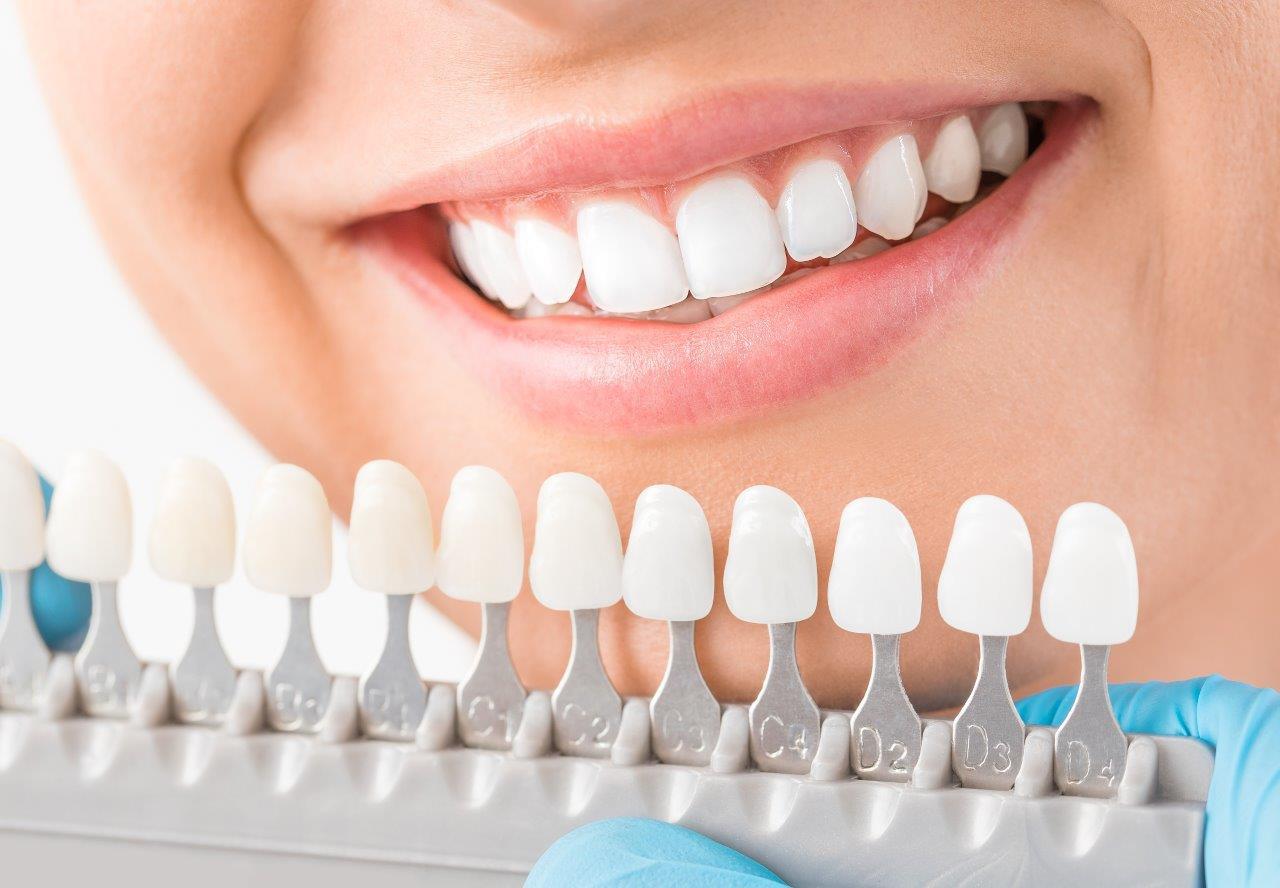
A smile is made up of many individual features that work together, including tooth shape, size, alignment, colour, gum display, and the relationship between the teeth and facial features. Because every smile is different, veneer treatment begins with an assessment rather than simply selecting a standard veneer shape.
Before treatment, the dentist evaluates the existing teeth and considers how veneers could complement the overall appearance of the smile. This assessment can help establish suitable proportions, contours, and treatment goals while taking the patient's natural dental structure into account.
For people considering Veneers Dubai, understanding what happens during the smile assessment can make the consultation easier to understand. The dentist may examine several aspects of the smile before developing an individual treatment plan.
Why a Smile Assessment Is Important
Veneers are designed to become part of the visible smile, so their appearance needs to work with the patient's existing teeth and facial characteristics. A detailed assessment gives the dentist an opportunity to understand the current condition and appearance of the teeth before discussing veneer design.
The dentist may look at how the teeth appear when the patient is relaxed, speaking, and smiling. This can provide a broader view than examining the teeth individually.
The assessment may also help determine which teeth would benefit from veneers and whether the patient's desired changes can be incorporated into the proposed treatment. Rather than approaching veneers as a one-size-fits-all procedure, the dentist can use the consultation to develop a more personalised plan.
Examining Tooth Shape and Proportions
Tooth proportions are an important part of smile assessment. The dentist may evaluate the width, length, contours, and general shape of the visible teeth.
Some patients naturally have relatively square teeth, while others have more rounded or tapered shapes. The proportions between neighbouring teeth can also vary.
When veneers are being considered, these existing characteristics provide useful references for the proposed design. The dentist can assess whether changes to tooth length or width would create a balanced appearance within the smile.
The aim is to develop a design that is consistent with the patient's facial and dental characteristics rather than choosing a generic shape.
Assessing Tooth Alignment
The position of the teeth is another consideration during a veneer consultation. Teeth may have minor variations in alignment, rotation, spacing, or positioning within the dental arch.
The dentist evaluates these features to understand how they contribute to the current appearance of the smile. This assessment can help determine how the proposed veneer design should relate to the existing alignment.
The extent of any visible spacing or positioning differences may also influence the overall treatment plan. Looking at the teeth as a group allows the dentist to consider how individual changes could affect the appearance of the complete smile.
Evaluating Tooth Colour
Colour is naturally one of the most noticeable aspects of a smile. During an assessment, the dentist may evaluate the current shade of the teeth and discuss the patient's preferred appearance.
Veneer shade selection is not simply about choosing the brightest available option. The dentist may consider the colour of neighbouring teeth, the overall complexion of the smile, and the patient's aesthetic preferences.
The intended shade can be discussed as part of the treatment planning process. This allows the final appearance to be considered alongside tooth shape and proportions instead of treating colour as a separate decision.
Looking at the Gum Line
The gums contribute to the overall balance of the smile. During consultation, the dentist may examine the gum line and how much gum tissue is visible when the patient smiles.
The relationship between the gum margins and the edges of the teeth can influence the perceived length and symmetry of the teeth. For this reason, the dentist may consider the gum line when discussing veneer proportions.
A smile assessment therefore looks beyond the teeth themselves. The surrounding gum structure can also be relevant when developing an overall aesthetic plan.
Evaluating the Smile Line
The smile line refers to the relationship between the visible teeth and the lower edge of the upper lip during smiling. It can provide useful information when assessing how the teeth are displayed.
The dentist may observe how much of each tooth becomes visible when the patient smiles naturally. Differences in tooth length, position, or edge contours can become more apparent during this movement.
This information may help guide veneer design so that the proposed tooth shapes work naturally within the patient's existing smile pattern.
Considering Facial Features
The appearance of a smile is closely connected to the rest of the face. Facial proportions can therefore be considered during a comprehensive veneer assessment.
The dentist may observe features such as the shape of the lips, facial symmetry, and general facial proportions. These observations can help inform the desired relationship between the veneers and the patient's appearance.
For example, changing the visible length or width of the teeth may influence the overall character of the smile. Considering the face as a whole can help the dentist develop a more harmonious treatment concept.
Examining the Relationship Between Teeth
The dentist may assess how individual teeth relate to one another. This includes examining the transitions between neighbouring teeth, spaces between teeth, and the visual balance across the smile.
A veneer on one tooth can look different depending on the shape and position of the teeth beside it. Therefore, the dentist may consider whether treatment should focus on one tooth, several teeth, or a broader section of the smile.
This approach helps the proposed veneer design fit into the existing dental arrangement.
Assessing Tooth Surface and Structure
Before discussing the aesthetic design, the dentist needs to evaluate the teeth themselves. The consultation may include an examination of the visible tooth surfaces and the existing dental structure.
The dentist may also review previous dental work and any existing restorations that could influence veneer planning.
Understanding the current condition of the teeth helps the dentist determine an appropriate treatment approach and whether veneers are suitable for the specific situation.
Understanding Your Smile Goals
A successful consultation involves more than a dental examination. The patient's expectations are also an important part of the assessment.
Patients may have different reasons for considering veneers. Some may want to address the appearance of uneven tooth shapes, while others may be interested in changing the overall colour or creating a more consistent smile.
The dentist can discuss these goals and determine which aspects of the smile the patient would like to change. This conversation helps establish realistic treatment objectives and provides direction for the veneer design.
Discussing the Desired Veneer Shape
Veneers can be designed with different contours and proportions. During consultation, the dentist may discuss whether the patient prefers a softer, rounded appearance or a more defined tooth shape.
However, personal preference needs to be considered alongside the natural characteristics of the teeth and face. A shape that looks appealing in an example photograph may not necessarily produce the same visual effect for another person.
The dentist can therefore use the consultation to translate aesthetic preferences into a design that is appropriate for the individual smile.
Reviewing the Number of Teeth to Be Treated
Another part of smile assessment is deciding how many teeth may be included in the treatment plan.
The number of veneers required can depend on which teeth are visible during a natural smile and what changes the patient wants to achieve. Treating several teeth can allow the dentist to consider their proportions and appearance together.
In other situations, a more limited treatment approach may be appropriate. The dentist can evaluate the smile and discuss which teeth are relevant to the patient's objectives.
Digital Records and Smile Planning
Modern dental consultations may incorporate digital photographs, scans, or other records to support treatment planning. These tools can help the dentist examine the teeth and their relationship with the surrounding structures in greater detail.
Digital records can also provide useful references for discussing tooth proportions, alignment, and overall smile appearance.
The technology used will depend on the dental practice and the individual treatment plan, but the underlying objective remains the same: to gather enough information to develop a personalised approach.
How Previous Dental Treatment Is Considered
A patient's previous dental history may be relevant when assessing the smile for veneers. Existing fillings, crowns, orthodontic treatment, or other dental procedures can affect the current appearance and structure of the teeth.
The dentist may ask about previous treatment and examine existing restorations as part of the consultation. This information can help establish how veneers would interact with the existing dental work.
A complete assessment allows the dentist to consider the smile as it currently exists rather than planning treatment without reference to previous dental changes.
Understanding Veneers Cost in Dubai
The Veneers Cost in Dubai can vary depending on factors such as the type of veneers selected, the number of teeth included, the complexity of the treatment plan, and the dental laboratory processes involved.
During consultation, patients can discuss the proposed treatment and understand what contributes to the overall cost. This is useful because veneer treatment is personalised, and the requirements can differ significantly between individuals.
Considering the complete treatment plan rather than focusing on a single price can provide a clearer understanding of what is involved.
Why Personalised Assessment Matters
No two smiles are exactly alike. Tooth dimensions, facial proportions, gum display, alignment, and aesthetic preferences can all differ between patients.
A personalised assessment allows these characteristics to be considered before the veneers are designed. It gives the dentist an opportunity to understand what the patient wants while also examining the dental features that influence the final appearance.
This detailed planning can help ensure that the proposed veneers are considered as part of the complete smile rather than as isolated coverings for individual teeth.
Conclusion
A smile assessment is an important part of planning veneer treatment because it provides the foundation for personalised veneer design. The dentist may examine tooth proportions, alignment, colour, gum display, smile line, facial features, existing dental work, and the relationship between neighbouring teeth.
For patients considering Veneers Dubai, the consultation is also an opportunity to explain personal preferences and discuss the type of smile they hope to achieve. By combining these preferences with a detailed evaluation of the existing smile, the dentist can develop a treatment plan tailored to the individual's dental and aesthetic characteristics.
FAQs
What happens during a veneer smile assessment?
The dentist may examine tooth shape, proportions, alignment, colour, gum display, smile line, facial features, and existing dental work while discussing your aesthetic goals.
Why does the dentist assess my smile before veneers?
The assessment helps the dentist understand your existing dental structure and determine how veneer shape, size, colour, and proportions can be planned for your individual smile.
Does tooth shape affect veneer design?
Yes. The existing shape and proportions of the teeth can provide important references when determining the appropriate design of veneers.
Is the gum line considered when planning veneers?
Yes. The relationship between the gum margins and teeth can influence how the smile appears, so the gum line may be evaluated during consultation.
Can I choose the shape of my veneers?
You can discuss your preferred tooth shape with your dentist. Your preferences can then be considered alongside your natural tooth proportions, facial features, and overall smile.
How is tooth colour assessed for veneers?
The dentist may examine your existing tooth shade and discuss your preferred colour while considering the appearance of neighbouring teeth and the overall smile.
Does facial shape influence veneer planning?
Facial characteristics can be considered as part of a comprehensive smile assessment because the teeth contribute to the overall balance of the face.
How many teeth need veneers?
The number depends on the patient's smile, the teeth being considered, and the desired changes. The dentist can determine which teeth are relevant during the consultation.
What affects Veneers Cost in Dubai?
The cost can depend on factors such as veneer type, number of veneers, treatment complexity, and laboratory processes. Your dentist can explain the specific factors involved in your treatment plan.
Can digital technology be used for veneer planning?
Yes. Depending on the clinic and treatment approach, digital photographs, scans, and other records may be used to support assessment and veneer planning.

 English
 Arabic
 French
 Spanish
 Portuguese
 Deutsch
 Turkish
 Dutch
Dutch
 Russian
 Romaian
 Portuguese (Brazil)
 Greek
Greek