


Dholera Smart City Plot Investment: What Buyers Should Know
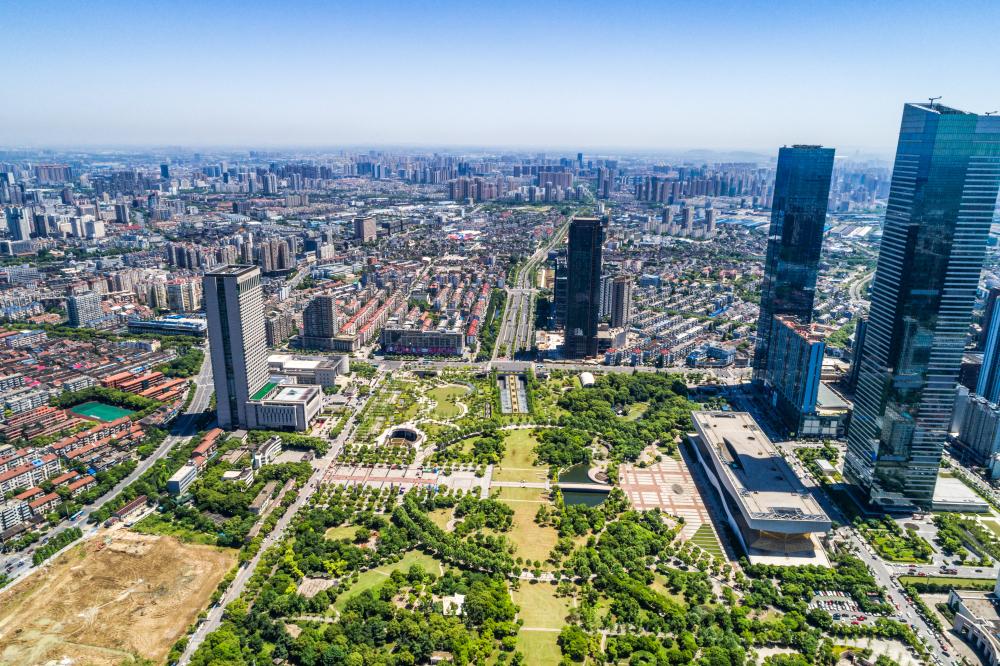
Investing in land can be an important decision, especially when the location is connected to future infrastructure, industrial development and urban expansion. However, buying a plot requires more than simply looking at a location on a map. Buyers need to understand the area's development plans, legal requirements, connectivity and long-term potential before making a commitment.
Dholera Smart City has attracted attention from property buyers because of its planned urban development, industrial ambitions and infrastructure projects in Gujarat. As part of the Dholera Special Investment Region (SIR), the area is being developed with a long-term vision for industrial growth, modern infrastructure and planned urban living. For potential investors, understanding the development process is essential before making a property decision.
Understanding the Vision Behind Dholera
Dholera is planned as a major industrial and urban development destination, with infrastructure intended to support businesses, industries and future communities. Its development includes road networks, utilities, industrial areas and other essential facilities designed to support long-term growth.
For plot buyers, this wider vision provides useful context. However, planned development does not mean every location will grow at the same pace. Understanding the specific sector, surrounding infrastructure and approved land use is important when assessing a property's suitability.
Why Location Matters When Buying a Plot
Location remains one of the most important factors in any land investment. Two plots within the same broader region can have very different prospects depending on their accessibility, nearby infrastructure and permitted use.
Buyers should examine the plot's connection to existing roads, planned transport links, industrial zones and essential services. It is also worth checking whether the surrounding area has visible development activity or whether its growth depends primarily on future proposals.
Rather than relying only on distance-based claims, consider the actual road access and the current status of nearby infrastructure. These details can help build a clearer picture of the property's practical advantages and limitations.
Checking Legal Documents Before Investing
Legal verification should always be a priority when purchasing land. Before proceeding, buyers should review the ownership history, title documents, applicable land-use permissions and relevant approvals.
It is important to confirm that the seller has the legal authority to transfer the property and that the plot matches the details recorded in official documents. Buyers should also check for encumbrances, disputes, restrictions or other issues that could affect ownership.
Where applicable, verify the project's registration and approvals through the relevant official authorities. Consulting an independent property lawyer can help clarify documentation requirements and reduce the risk of avoidable complications.
Evaluating Long-Term Growth Potential
Infrastructure development can influence demand for land, particularly when it improves connectivity and supports employment opportunities. Dholera's planned industrial ecosystem and regional infrastructure initiatives may contribute to future interest in the area.
However, investment potential should be assessed realistically. Project timelines can change, infrastructure may take longer than expected, and future demand is not guaranteed. Buyers should distinguish between completed infrastructure, officially approved projects and proposals that remain at an early stage.
A careful assessment of these factors can help investors make decisions based on evidence rather than promotional claims.
Understanding Your Investment Goals
Before purchasing a plot, consider why you want to invest. Some buyers may be planning to hold land for the long term, while others may be considering future residential construction or business-related use.
Your intended purpose should match the plot's permitted land use and development conditions. You should also consider how long you can hold the property, its resale prospects and whether you may need access to your investment sooner than expected.
A clear investment plan makes it easier to assess opportunities without being influenced by short-term excitement.
Making an Informed Property Decision
Investing in a developing region requires patience, research and realistic expectations. While infrastructure and industrial development can create opportunities, the quality of the individual plot and the accuracy of its documentation remain equally important.
Take time to compare locations, verify legal records, understand development timelines and seek independent professional advice. A well-informed decision is not simply about anticipating future growth; it is about understanding the risks and choosing land that aligns with your long-term objectives.

 Arabic
 French
 Spanish
 Portuguese
 Deutsch
 Turkish
 Dutch
Dutch
 Italiano
 Russian
 Romaian
 Portuguese (Brazil)
 Greek
Greek