


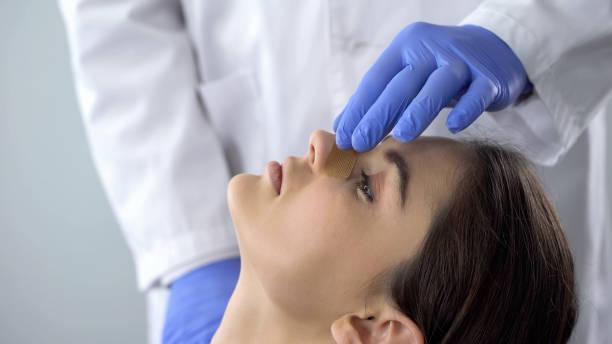
Most patients expect swelling after rhinoplasty. Far fewer are prepared for the bruising that appears around the eyes and cheeks—sometimes dramatic, often alarming, and frequently the most visible part of early recovery. Rhinoplasty in Riyadh(عملية تجميل الأنف في الرياض) Bruising is not a sign that something has gone wrong. It is a predictable consequence of surgery and follows a reliable timeline that can be anticipated and managed. Understanding Rhinoplasty in Riyadh properly means understanding why bruising occurs, how long it lasts, and what genuinely helps it resolve.
Why Bruising Happens After Rhinoplasty
Blood Vessels Are Disrupted
The nose has a rich blood supply. During surgery, small vessels are cut or cauterised, and blood escapes into surrounding tissue.
Gravity Spreads Bruising Downward
Blood from the nose and upper face travels downward under the influence of gravity, which is why bruising appears around the eyes and cheeks rather than only on the nose itself.
Osteotomies Increase Bruising
If the nasal bones were narrowed or repositioned, bruising is typically more pronounced than with cartilage-only procedures.
Skin Thickness Matters
Thinner skin shows bruising more dramatically than thicker skin.
Medications and Supplements Influence Severity
Blood thinners, aspirin, and certain supplements can increase bruising.
Why This Matters
Anyone researching Rhinoplasty in Riyadh should expect bruising and understand that it is a normal part of healing.
Where Bruising Appears
Under the Eyes
This is the most common location. Bruising may appear as dark circles resembling a "black eye."
Around the Eyes and Eyelids
Swelling and bruising often extend to the eyelids, sometimes making the eyes difficult to open fully in the first days.
Cheeks and Upper Jaw
Bruising can spread down the cheeks and occasionally to the upper jaw.
Along the Sides of the Nose
Bruising may appear directly around the nose, particularly after osteotomies.
Why This Matters
Understanding where bruising appears prevents alarm at its spread.
The Bruising Timeline
Days One to Three
Bruising is at its most intense. Colours range from deep purple to red, and swelling peaks simultaneously.
Days Four to Seven
Bruising begins to fade. Colours shift toward green and yellow, and swelling starts reducing.
Weeks Two to Three
Most bruising resolves within two to three weeks. Residual yellow discolouration may linger briefly.
Beyond Three Weeks
Any remaining discolouration is usually subtle and easily concealed with makeup if desired.
Individual Variation
Some patients bruise more than others. Healing speed also varies.
Why This Matters
Knowing the timeline prevents unnecessary worry.
What Helps Bruising Resolve
Sleep With Your Head Elevated
Elevation reduces fluid accumulation and supports drainage.
Cold Compresses Early On
Cold therapy in the first 48 hours reduces swelling and limits bruising. Follow your surgeon's guidance on timing and technique.
Avoid Blood-Thinning Substances
Aspirin, ibuprofen, alcohol, and certain supplements should be avoided as advised.
Pineapple and Bromelain
Some patients find bromelain, found in pineapple, helpful for bruising, though evidence is limited. Confirm with your surgeon before adding supplements.
Vitamin K–Rich Foods
Leafy greens and other vitamin K sources support clotting and may help resolution.
Hydration
Water supports circulation and healing.
Rest and Avoid Strain
Bending, lifting, and strenuous activity increase facial pressure and prolong bruising.
Why This Matters
Small daily habits influence how quickly bruising fades.
What Does Not Help Bruising
Heat Therapy Early On
Heat increases swelling and bruising during the first days.
Massaging the Area
Manipulating healing tissue can worsen bruising and cause harm.
Ignoring Medication Restrictions
Blood thinners and certain supplements prolong bruising.
Excessive Activity
Strain increases facial pressure and prolongs bruising.
Unverified Remedies
Home remedies may irritate skin or interfere with healing.
Why This Matters
Avoiding these mistakes supports faster resolution.
Concealing Bruising
When Concealer Is Permitted
Once your surgeon confirms it is safe, gentle concealer can be applied around the eyes—but not on incisions.
Colour Correction
Green or peach-toned correctors neutralise purple and blue tones.
Sunglasses
Sunglasses can conceal bruising, but they must not rest on the bridge of the nose. Use a support device or tape them to your forehead.
Hats and Scarves
Wide-brimmed hats and loose scarves provide discreet coverage.
Why This Matters
Practical concealment helps patients feel more comfortable in public.
When Bruising Becomes a Concern
Bruising That Suddenly Worsens
New or worsening bruising after the first week may indicate bleeding and requires assessment.
Bruising With Severe Pain
Pain that intensifies alongside bruising warrants attention.
Bruising With Fever
Fever alongside bruising suggests infection and requires prompt medical evaluation.
Bruising That Does Not Fade
Bruising that remains unchanged for weeks should be assessed.
Bruising Accompanied by Vision Changes
Any change in vision requires urgent medical attention.
Why This Matters
Most bruising is normal, but these signs require prompt action.
How to Prepare for Bruising
Arrange Time Off
Plan for one to two weeks away from public-facing activities.
Stock Concealer
If you wish to conceal bruising, have appropriate products ready.
Prepare Cold Compresses
Have gel packs or soft cloths ready for the first 48 hours.
Adjust Your Schedule
Avoid important events during the bruising phase.
Arrange Support
Having someone to help during the first days makes recovery easier.
Why This Matters
Preparation reduces stress and supports healing.
Questions to Ask Your Surgeon
How Much Bruising Should I Expect?
Ask for realistic information based on your procedure.
How Long Will It Last?
Most bruising resolves within two to three weeks.
What Helps It Fade Faster?
Elevation, cold compresses, hydration, and avoiding blood-thinning substances.
When Can I Conceal It?
Once your surgeon confirms it is safe.
What Signs Should I Watch For?
Ask specifically about warning signs.
Why This Matters
Informed patients manage bruising more confidently. A Best Rhinoplasty Surgeon in Riyadh will guide you through recovery.
Final Thoughts: Temporary Discolouration, Lasting Result
Bruising after rhinoplasty is universal, visible, and temporary. It follows a predictable timeline—peaking in the first days and resolving within two to three weeks. Understanding Rhinoplasty in Riyadh recovery as a process that includes bruising allows you to manage it calmly, conceal it practically, and focus on the result that lies beyond it.
For those seeking expert guidance and customized aesthetic care, you can book an appointment consultation at the 'Enfield Royal Riyadh(إنفيلد رويال الرياض).
FAQs
Why does bruising appear around the eyes after rhinoplasty?
Blood from the nose and upper face travels downward under gravity, settling around the eyes and cheeks.
How long does bruising last after rhinoplasty?
Most bruising resolves within two to three weeks, with peak intensity in the first few days.
What helps bruising fade faster?
Elevation, cold compresses in the first 48 hours, hydration, and avoiding blood-thinning substances.
Can I cover bruising with makeup?
Once your surgeon confirms it is safe, gentle concealer can be applied around the eyes—but not on incisions.
When should I contact my surgeon?
If bruising suddenly worsens, is accompanied by severe pain, fever, or vision changes.

 Arabic
 French
 Spanish
 Portuguese
 Deutsch
 Turkish
 Dutch
Dutch
 Italiano
 Russian
 Romaian
 Portuguese (Brazil)
 Greek
Greek